


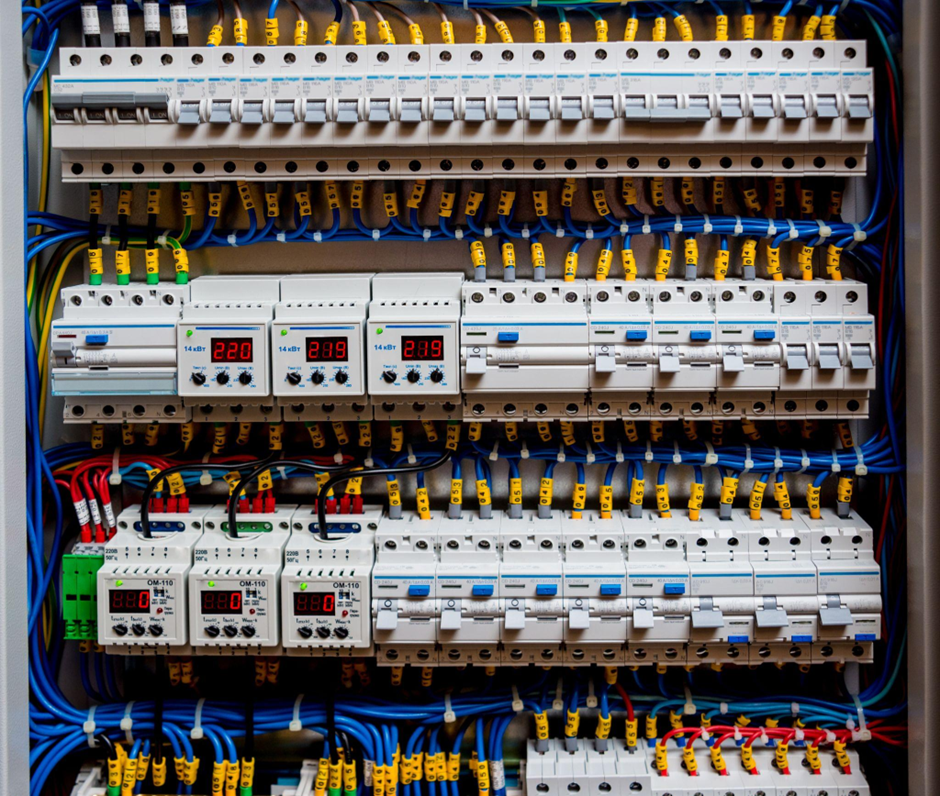
Small renovation choices can create big electrical problems later. Poor routing, under-rated parts, and weak documentation lead to nuisance trips and unsafe heat build-up. This guide highlights frequent errors in electrical wiring and shows how to plan a clean, testable installation with an electrical distribution board that is easy to service.
Mistake 1: Guessing Loads Instead of Calculating
Circuits fail when the design starts with rough guesses. List fixed loads such as water heaters, ovens, hobs, and air conditioners, then add likely portable loads per room. Note amperage and duty cycle, and leave headroom for start-up surges. Proper load mapping drives cable sizing, breaker values, and a sensible layout in the electrical distribution board that keeps heavy appliances on dedicated circuits.
Mistake 2: Mixing Cable Sizes on the Same Circuit
Undersized conductors create hot joints and voltage drop. Keep cable sizes consistent from board to outlet on each circuit and match breaker ratings to the smallest cable in the run. Where a spur is unavoidable, protect it correctly and label it. Consistent sizing keeps resistance low and prevents hidden weak points that only surface when multiple appliances run together.
Mistake 3: Packing Too Much on General Power Rings
Socket circuits that feed the kitchen, work zone, and entertainment cluster at once will trip under peak use. Split high-draw areas, give countertop appliances their own circuit where possible, and balance general power across the board. A tidy electrical distribution board separates heavy draws from lighting and provides spare ways for future additions, so you do not overload existing routes later.
Mistake 4: Skipping Residual Current Protection Where It Matters
Shock risk rises around water and outdoor areas. Fit RCD protection for socket circuits and water-heating loads and test trip buttons quarterly. During commissioning, verify device operation with a proper tester, not just a visual check. Document which circuits sit behind which RCD, so a single fault does not black out the whole home while you troubleshoot.
Mistake 5: Loose Terminations and Untidy Dressing
Even good materials fail when terminations are rushed. Stranded copper must be fully captured; insulation should not sit under the terminal, and bare copper should not protrude. Inside the electrical distribution board, keep neutrals and earths grouped, avoid sharp bends, and dress conductors so nothing rubs on covers. Tight, clean terminations reduce heat spots and make fault-finding faster.
Mistake 6: Poor Earthing and Bonding
Appliance cases and exposed metal parts must have a reliable path to earth. Use approved connectors, avoid mixed-metal bodges, and keep earth continuity intact at every joint. Test the earth fault loop impedance during commissioning and record results alongside the circuit schedule. Strong earthing protects people and equipment when faults occur.
Mistake 7: Treating Labels and Records as Optional
If nobody can tell which breaker feeds which room, maintenance becomes guesswork. Print clear labels for every breaker and fix a laminated circuit schedule inside the door. Keep a copy of test results, cable sizes, and protective device ratings with the handover pack. Good records turn future upgrades into planned work rather than wall-chasing emergencies.
Conclusion
Safe, durable electrics come from calculated loads, matched materials, disciplined terminations, and honest documentation. When your electrical wiring is designed around real usage and your electrical distribution board is laid out and labelled for service, everyday reliability improves and future changes become straightforward. Treat testing and record-keeping as part of the build, not an afterthought, and you will avoid the faults that frustrate households for years.
Contact 81 Electrical to arrange a same-week site survey that includes room-by-room load calculations, a distribution board health check with thermal and RCD tests, and a written upgrade plan with labelled circuits and spare ways for future appliances.
