


Most people assume that a sofa is just a piece of furniture. Yet, its presence shapes how a space feels, functions, and reflects your taste. A well-chosen fabric sofa can make your living room warm and inviting, while the wrong one quietly undermines your design goals. Let’s uncover how certain beliefs about sofas could be doing more harm than good.
Believing Every Fabric Sofa Feels the Same
It’s easy to think that all fabric sofas are equally comfortable, especially when viewed under soft showroom lighting. The truth is far trickier. Different materials (linen, velvet, or polyester blends) react differently to daily use and humidity.
In Singapore’s climate, a sofa that traps heat or absorbs moisture can quickly feel unpleasant. Some fabrics might look luxurious but show wear too soon. It helps to test textures in person and consider the airflow of your living space. Look for removable covers or blends treated for moisture resistance rather than just softness.
Thinking Bigger Always Looks Better
Many homeowners equate a large sofa with luxury, imagining it as the heart of a spacious home. Yet, scale can easily throw off balance. A bulky three-seater might crowd an HDB living room, leaving little room to move.
When visiting furniture stores in Singapore, focus on proportion rather than size. Modular sofas or compact L-shapes can achieve the same comfort with less clutter. Measuring wall-to-wall distance before shopping helps avoid awkward spacing later. Remember, a sofa should anchor a room, not dominate it.
Overlooking the Impact of Colour and Texture
Another subtle trap lies in assuming a neutral colour will “go with everything.” While safe, this approach can make a room feel flat or unfinished. On the other hand, bold colours or textured fabrics might look charming in theory, but clash once natural light changes throughout the day.
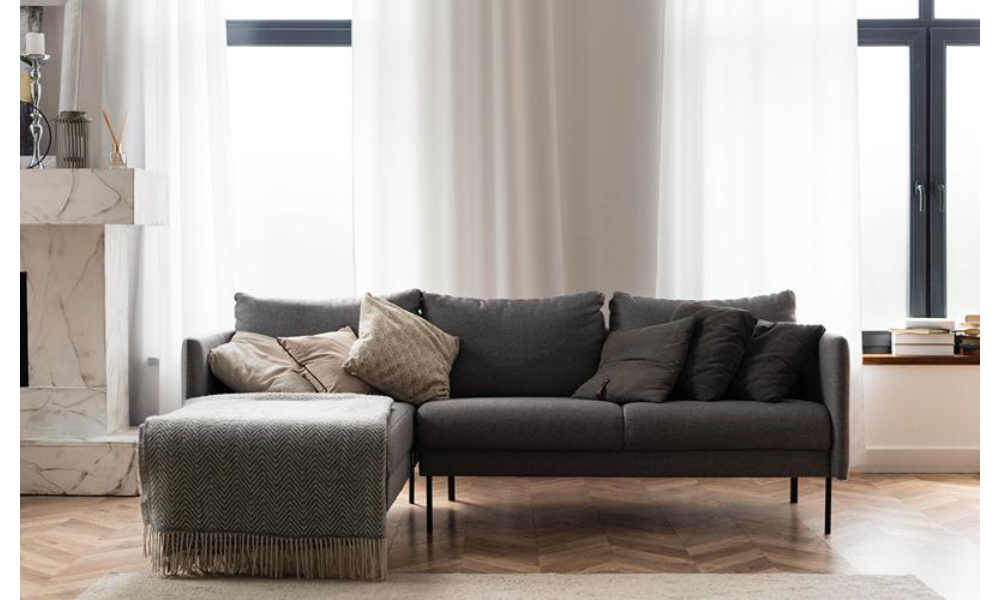
Try layering tones instead. A soft grey fabric sofa paired with patterned cushions or a textured rug adds depth without chaos. In Singapore’s bright interiors, mid-tones like muted teal, warm beige, or soft charcoal maintain visual warmth without appearing washed out.
Ignoring Maintenance Realities
No one dreams of spending weekends scrubbing sofa stains, yet maintenance is where most people trip up. Many assume that a quick vacuum or occasional spray will keep everything fresh. Unfortunately, fabric fibres absorb odours and dust faster than one might expect, especially in humid weather.
Before committing, check what cleaning methods are compatible with your sofa. Some materials handle steam cleaning; others shrink or fade. Furniture stores in Singapore often carry care guides; take them seriously. Planning ahead with washable slipcovers or Scotchgard treatments saves regret later.
Forgetting the Room’s Bigger Story
A sofa does not exist in isolation. It’s part of a broader conversation involving lighting, flooring, and even how guests circulate through the room. When a sofa disrupts this rhythm by blocking light or clashing with textures, it quietly undermines the entire design effort.
Think of your fabric sofa as a visual anchor. Its colour and placement should support, not compete with, surrounding pieces. Try positioning it opposite a window or accent wall to draw the eye naturally. A well-chosen sofa doesn’t just fill space; it frames your lifestyle.
Many living room mishaps stem from small but powerful assumptions about comfort, colour, or scale. A fabric sofa might look perfect in a catalogue, yet behave differently once real life begins, spills, humidity, and sunlight are included. Taking time to assess proportion, texture, and upkeep makes a remarkable difference.
Thoughtful choices from reliable furniture stores in Singapore help transform a living area into something cohesive, comfortable, and genuinely lasting. A sofa is never just a seat; it’s the quiet centrepiece that sets the tone for how you live.
Contact Cellini Design Center to find a range of fabric sofas and expert advice to match your space and lifestyle.
