


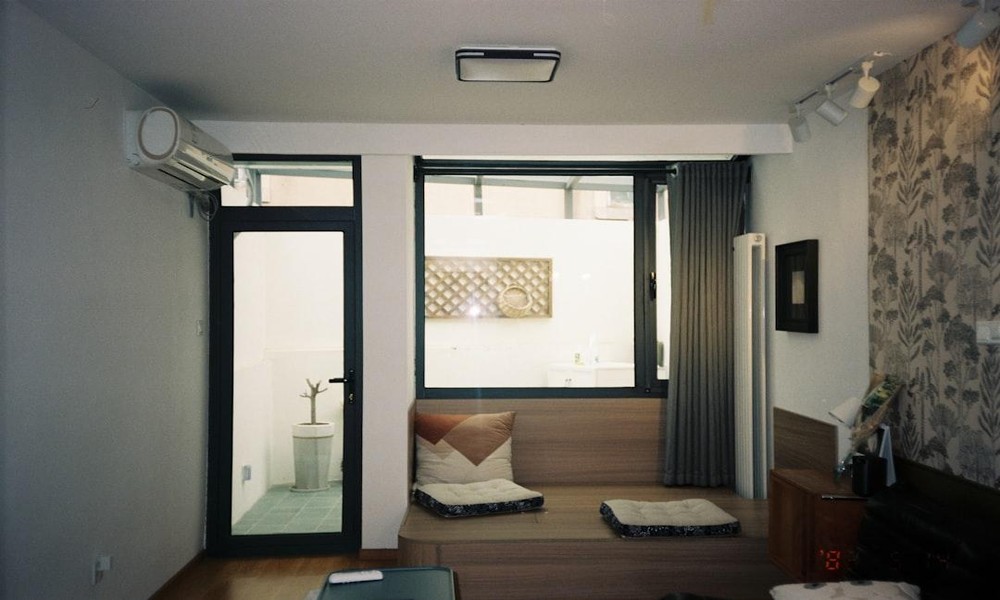
The Fundamentals of HVAC and Indoor Comfort
Our homes serve as our personal sanctuaries, spaces where we seek refuge and relaxation. With most of us spending nearly 90% of our time indoors, the quality of our indoor environment profoundly impacts our daily lives and well-being. Achieving optimal comfort, however, is more complex than simply adjusting a thermostat. It involves a delicate balance of temperature, humidity, and air quality, all of which are managed by your home’s Heating, Ventilation, and Air Conditioning (HVAC) system. When these systems aren’t performing their best, we often experience discomfort, higher energy bills, and even health issues. Understanding how to optimize these crucial systems for superior HVAC and indoor comfort in Washington D.C. and Maryland is key to creating a truly comfortable and healthy living space.
This guide will delve into the essential components of residential climate control, exploring how HVAC systems function to regulate your home’s environment. We will uncover the vital role of ventilation in maintaining healthy indoor air quality and examine advanced strategies, such as Energy Recovery Ventilation. Furthermore, we’ll discuss the critical importance of proper system sizing and the benefits of regular maintenance for peak performance and longevity. By understanding these elements, you can transform your home into a haven of consistent comfort and efficiency. For those seeking comprehensive solutions for their climate control needs, Expert HVAC and indoor comfort services can provide tailored advice and professional installations.
At its core, HVAC stands for Heating, Ventilation, and Air Conditioning. These three interconnected functions work in concert to create and maintain a comfortable, healthy, and stable indoor environment. A well-designed, properly functioning HVAC system is the backbone of indoor comfort, ensuring your home remains a sanctuary regardless of the weather outside.
- Temperature Control: Perhaps the most recognized function of an HVAC system. Heating components, such as furnaces or heat pumps, raise indoor temperatures during colder months, while air conditioning units cool the air during warmer months. The goal is to maintain a consistent indoor temperature, often aiming for the human comfort sweet spot of around 68 degrees Fahrenheit, as research suggests.
- Humidity Regulation: Beyond just temperature, humidity plays a significant role in how comfortable we feel. High humidity can make warm air feel stifling and promote mold growth, while excessively low humidity can lead to dry skin, irritated respiratory passages, and static electricity. HVAC systems, particularly air conditioners and dedicated humidifiers/dehumidifiers, help maintain ideal indoor humidity levels.
- Air Filtration: The air circulating through your HVAC system passes through filters designed to capture airborne particles. This process removes dust, pollen, pet dander, and other allergens, thereby improving indoor air quality and occupant well-being.
- System Integration: Modern HVAC systems are highly integrated, with components like thermostats, ductwork, and controls working together seamlessly. This integration ensures efficient operation and precise control over your indoor climate.
- Environmental Stability: By consistently regulating temperature, humidity, and air quality, HVAC systems provide a stable indoor environment. This stability is crucial not only for human comfort but also for protecting sensitive electronics, furniture, and the structural integrity of your home from extreme fluctuations.
- Occupant Well-being: The primary purpose of HVAC is to enhance the well-being of those living within the space. A comfortable and healthy indoor environment reduces stress, improves sleep quality, boosts productivity, and minimizes health issues related to poor air quality or uncomfortable temperatures.
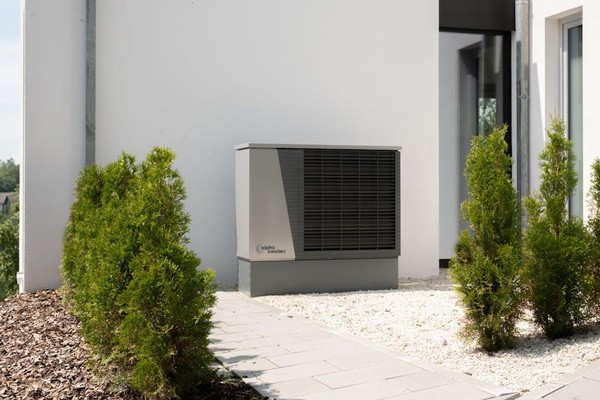
HVAC systems are complex and vital mechanisms that go far beyond just heating and cooling. They are essential for creating a truly comfortable, healthy, and stable indoor environment, contributing significantly to our daily lives.
Advanced Ventilation Strategies for Health and Air Quality
Ventilation is a critical,, component of a comprehensive HVAC system that directly impacts indoor air quality (IAQ) and overall health. It involves exchanging indoor air with outdoor air, bringing in fresh air and expelling stale, contaminated air. This continuous exchange is vital for maintaining a healthy living environment, especially since some indoor air pollutants can be 2 to 5 times-and occasionally 100 times-higher than outdoors. Effective ventilation, coupled with robust air filtration, is key to reducing these elevated pollutant levels.
The goal of advanced ventilation strategies is to not only introduce fresh air but also to manage pollutants, control humidity, and do so energy-efficiently. This involves understanding different ventilation approaches and integrating technologies that optimize air exchange.
Ventilation Type Description Key Characteristics Benefits Drawbacks Natural Ventilation Uses natural forces like wind pressure and thermal buoyancy (stack effect) to move air through openings (windows, vents). Relies on building design and climate. Low operating cost, fresh air, passive. Unpredictable, limited control over air quality/temperature, security concerns. Mechanical (Exhaust-Only) uses fans to pull air out of the building, creating negative pressure that draws in fresh air through leaks and passive vents. Simple, common in bathrooms/kitchens. Removes odors/moisture from specific areas. Uncontrolled fresh air entry and potential backdrafting from combustion appliances can draw in pollutants. Mechanical (Supply-Only) Uses fans to push fresh air into the building, creating positive pressure that forces stale air out through leaks and passive vents. Can filter incoming air. Good for filtering incoming air, positive pressure helps keep out pollutants. Can push moist indoor air into wall cavities in cold climates and into uncontrolled exhaust points. Mechanical (Balanced) Uses separate fans to both supply fresh air and exhaust stale air in roughly equal measure. Controlled airflow, can incorporate filtration. Best control over air exchange, minimizes uncontrolled infiltration/exfiltration. Higher installation/operating costs than exhaust/supply only. The Role of Ventilation in HVAC and Indoor Comfort
Ventilation plays a pivotal role in maintaining a healthy, comfortable indoor environment. Without adequate ventilation, indoor air can quickly become stagnant and filled with pollutants. Here’s how it contributes:
- Stale Air Removal and Oxygen Replenishment: As occupants breathe, they consume oxygen and exhale carbon dioxide (CO2). Proper ventilation removes this stale, CO2-rich air and replaces it with oxygenated, fresh air, which is crucial for cognitive function and overall vitality. Monitoring CO2 levels canindicatef inadequate ventilation.
- Pollutant and Odor Control: Everyday activities like cooking, cleaning, and using personal care products release a variety of Volatile Organic Compounds (VOCs) and other indoor air pollutants. Pets, building materials, and even furniture can also off-gas chemicals. Ventilation dilutes and expels these contaminants, preventing their buildup. It also effectively removes unpleasant odors, helping keep your home fresher. For more insights into common indoor air issues, you might find this article on signs your home needs an air purification system helpful.
- Health and Well-being: Reducing indoor air pollutants directly translates to significant health benefits. By diluting airborne allergens, mold spores, dust, and other irritants, ventilation can alleviate symptoms for individuals with allergies, asthma, and other respiratory conditions. It also helps mitigate the spread of airborne pathogens, especially important in tightly sealed modern homes. Discover more about the advantages of cleaner air by reading about the benefits of home air purification systems.
- Air Filtration: Integrating high-quality air filters into your HVAC system is essential for capturing particulate matter. Filters with a MERV (Minimum Efficiency Reporting Value) rating between 8 and 13 are recommended for optimal protection, effectively trapping a wide range of particles, including pollen, dust, mold spores, and pet dander. For practical tips on improving your home’s air quality, explore these 6 ways to prevent indoor air pollution. If you’re considering further improving your home’s air quality, learning about air purification options can provide valuable information.
Energy Recovery (ERV) and Heat Recovery (HRV) Systems
While essential, bringing in fresh outdoor air can sometimes be energy-intensive, especially in extreme climates. This is where Energy Recovery Ventilators (ERVs) and Heat Recovery Ventilators (HRVs) come into play, offering a sophisticated solution for balanced ventilation with minimal energy penalty.
- Thermal Transfer: Both ERVs and HRVs are designed to recover energy from the exhaust air stream and transfer it to the incoming fresh air stream. In winter, they capture heat from the warm outgoing air to pre-heat the cold incoming air. In summer, they pre-cool the warm incoming air using the cooler outgoing air. This process significantly reduces the energy required to condition the fresh air, making ventilation more cost-effective.
- Moisture Management: This is where ERVs offer an additional advantage over HRVs. While HRVs primarily transfer sensible heat (temperature), ERVs transfer both sensible and latent heat (moisture). This means that in humid climates, an ERV can transfer excess humidity from incoming fresh air to outgoing stale air, helping dehumidify the home. Conversely, in dry climates, it can transfer some moisture from the outgoing air to the incoming air, preventing excessive dryness. This moisture management capability is crucial for maintaining comfortable indoor humidity levels and preventing issues such as mold growth and dry air discomfort.
- Climate-Specific Performance: The choice between an ERV and an HRV often depends on your climate. HRVs are generally better suited to colder, drier climates, where retaining indoor heat is the priority and moisture control is less critical. ERVs are highly beneficial in hot, humid climates where both temperature and humidity transfer are desired, or in very dry climates where some moisture retention is advantageous.
- Energy Efficiency: By recovering a significant portion of the energy that would otherwise be lost through ventilation, ERVs and HRVs dramatically improve the overall energy efficiency of your HVAC system. They allow you to enjoy the benefits of continuous fresh air without incurring exorbitant heating or cooling costs. This makes them an excellent investment for homeowners looking to reduce their environmental footprint and utility bills while ensuring superior indoor air quality.
Precision Engineering: Sizing and Design Factors
The effectiveness of any HVAC system, regardless of its advanced features, hinges on precise engineering and careful consideration of various design factors. A common misconception is that a bigger system is always better. Still, in reality, an oversized or undersized unit can lead to significant comfort issues, reduced efficiency, and premature system wear. This is why professional HVAC design relies on meticulous calculations rather than guesswork.
One of the most critical tools in this process is the ACCA Manual J calculation. This industry-standard methodology accounts for a wide range of factors unique to your home, ensuring your HVAC system is perfectly matched to your specific needs. Key considerations include:
- Square Footage: The total area of your home is a fundamental input, but it’s just the starting point.
- Building Orientation: The direction your home faces impacts solar heat gain. South-facing windows, for example, will receive more direct sunlight, requiring more cooling capacity.
- Insulation Levels: The quality and R-value of your wall, ceiling, and floor insulation significantly affect how much heat enters or escapes your home. Well-insulated homes require less heating and cooling.
- Fenestration: This refers to the number, size, type, and efficiency of your windows and doors. Features like Low-E glazing (low-emissivity coatings) and multi-pane windows reduce heat transfer, while older, single-pane windows can be major sources of energy loss.
- Air Gap Sealing: The tightness of your home’s envelope, including proper sealing of cracks, gaps, and penetrations, prevents uncontrolled air infiltration and exfiltration, which can dramatically impact heating and cooling loads.
- Occupancy: The number of people typically occupying the home contributes to internal heat gain and CO2 levels.
- Internal Heat Gains: Appliances, lighting, and electronics all generate heat, which must be accounted for in cooling load calculations.
- Ductwork Design: The layout, sizing, and sealing of your ductwork are crucial for efficient airflow. Leaky or poorly designed ducts can waste significant energy.
- Climate Zone: Local climate data, including average temperatures, humidity levels, and solar radiation, dictates the demands placed on your HVAC system.
Here is a list of critical design conditions and factors that a professional HVAC technician considers when planning a system:
- Outdoor Design Temperatures: Both heating and cooling extremes for your specific geographic location.
- Indoor Design Temperatures: Desired temperature ranges for comfort (e.g., 70°F heating, 75°F cooling).
- Relative Humidity Levels: Target indoor humidity range (e.g., 30-60%).
- Solar Heat Gain: Heat absorbed through windows and walls from sunlight.
- Internal Heat Loads: Heat generated by occupants, lights, and appliances.
- Ventilation Requirements: Minimum fresh air needed based on occupancy and building codes.
- Building Envelope Characteristics: R-values of insulation, U-factors of windows/doors, air leakage rates.
- Ductwork Leakage and Design: Efficiency of air distribution system.
- Ceiling Height and Volume: Total air volume to be conditioned.
- Foundation Type: Slab, crawl space, or basement, and their insulation.
Why Proper System Sizing is Critical for Performance
The consequences of improper HVAC system sizing extend far beyond just minor discomfort. They can lead to a cascade of problems that impact your home’s comfort, energy efficiency, and the longevity of your equipment.
- Oversized Systems: Short Cycling: An oversized air conditioner cools the space too quickly, satisfying the thermostat before it has had enough time to remove humidity from the air adequately. This leads to frequent on-off cycles.
- Dehumidification Failure: Because of short cycling, oversized AC units don’t run long enough to dehumidify the air effectively. This can leave your home feeling clammy and damp, even if the temperature is cool, creating an environment ripe for mold growth.
- Component Wear: Frequent starting and stopping puts undue stress on the compressor and other components, leading to increased wear and tear, more frequent breakdowns, and a shortened system lifespan.
- Energy Consumption: While it might seem counterintuitive, an oversized system can consume more energy due to the inefficiencies of short cycling and the constant power surges during startup.
- Thermal Stratification: Rapid cooling can lead to uneven temperatures, with some areas feeling much colder than others.
- Undersized Systems:Inadequate Comfort: An undersized system struggles to meet the heating or cooling demands of your home, especially during peak weather conditions. This results in rooms that never quite reach the desired temperature, leading to persistent discomfort.
- Continuous Operation: The system runs almost constantly to reach the thermostat setting, resulting in excessive energy consumption and higher utility bills.
- Component Wear: Constant operation without adequate rest also puts significant strain on components, accelerating wear and increasing the likelihood of breakdowns.
- High Energy Bills: Despite continuous operation, the system may never achieve optimal comfort, meaning you’re paying more for less effective climate control.
Choosing the right size HVAC unit for your home is not a task to be taken lightly. It requires a detailed assessment by a qualified professional to ensure your system operates efficiently, provides consistent comfort, and lasts for its intended lifespan. For guidance on this crucial decision, refer to our article on choosing the right HVAC unit size for your home.
Maximizing Efficiency and Longevity Through Maintenance
Just like a car, your HVAC system requires regular care to perform optimally and last for years. Neglecting maintenance can lead to decreased efficiency, higher utility bills, frequent breakdowns, and a shortened lifespan for your equipment. Regular maintenance is a proactive approach that ensures your system runs smoothly, efficiently, and reliably throughout the year.
- Seasonal Tune-ups: Scheduling professional tune-ups twice a year-once in the spring for your cooling system and once in the fall for your heating system-is a best practice. During these visits, technicians inspect, clean, and adjust various components, identifying potential issues before they escalate into costly repairs. This preventive care can prevent sudden breakdowns, like those discussed in Need AC Repair? Here Are Five Common Problems.
- Filter Replacement: This is perhaps the simplest yet most crucial maintenance task homeowners can perform. Air filters trap dust, pollen, and other airborne particles, preventing them from circulating throughout your home and accumulating on internal components. A clogged filter restricts airflow, forcing your system to work harder and consume more energy. It’s recommended to check and replace filters every 90 days, or even more frequently if you have pets, allergies, or live in a dusty environment.
- Drain Line Clearance: The condensate drain line removes moisture collected by your air conditioner. If this line becomes clogged with algae or debris, it can cause water backups, leading to leaks, water damage, and even mold growth. Regularly flushing the drain line can prevent these issues.
- Refrigerant Levels: Proper refrigerant levels are essential for your AC system to cool effectively. Low refrigerant can indicate a leak, which not only impairs cooling performance but also poses an environmental concern. A professional tune-up includes checking refrigerant levels and addressing any leaks.
- System Lifespan: A well-maintained HVAC system can last significantly longer than one that is neglected. Regular cleaning and adjustments reduce wear and tear on components, extending your unit’s overall life and delaying costly replacements.
- Predictive Maintenance: Modern HVAC systems, especially those integrated with smart technology, can offer predictive maintenance insights. Sensors monitor performance indicators and alert you or your technician to potential issues before they cause a breakdown.
Here’s a list of essential homeowner maintenance tasks to keep your HVAC system running efficiently:
- Change or Clean Air Filters: Regularly check and replace disposable filters (every 1-3 months) or clean reusable ones.
- Clear Outdoor Unit: Remove leaves, dirt, and debris from around the outdoor condenser unit to ensure proper airflow.
- Inspect Vents and Registers: Ensure they are open, unobstructed, and clean for optimal air distribution.
- Check Thermostat Settings: Ensure your thermostat is programmed correctly for seasonal efficiency.
- Clear Condensate Drain Line: Pour a cup of distilled vinegar or a bleach/water solution down the line once a year to prevent clogs.
- Listen for Unusual Noises: Pay attention to strange sounds (grinding, squealing, banging) and report them to a professional.
- Monitor Energy Bills: A sudden spike in energy consumption can indicate an underlying HVAC issue.
While some tasks are DIY-friendly, others require the expertise of a certified technician. For troubleshooting common issues or understanding when to call in the pros, our article, 4 HVAC troubleshooting tips every homeowner should know, offers valuable guidance. For comprehensive care and peace of mind, consider signing up for a maintenance agreement with a trusted HVAC provider.
Humidity Control and Moisture Management
Humidity is a silent partner in indoor comfort, often overlooked until it becomes a problem. Maintaining optimal humidity levels is just as crucial as temperature control for both comfort and health. The “sweet spot” for relative humidity (RH) in a home typically falls between 30% and 60%. Deviations outside this range can lead to various issues.
- Mold Prevention: High humidity (above 60% RH) creates an ideal environment for mold and mildew. Mold can cause structural damage to your home and trigger allergic reactions, asthma attacks, and other respiratory problems. Effective humidity control is the first line of defense against mold growth.
- Dust Mite Control: Dust mites, common allergens, thrive in environments with high humidity. Keeping RH below 50% can significantly reduce dust mite populations, alleviating allergy symptoms.
- Respiratory Health: Both excessively high and low humidity can impact respiratory health. High humidity can exacerbate asthma and allergies, while very low humidity (below 30%) can dry out mucous membranes, making individuals more susceptible to colds, flu, and other respiratory infections.
- Comfort: Beyond health, humidity directly affects how comfortable we feel. High humidity makes warm temperatures feel hotter and muggier, while low humidity can make cool temperatures feel colder due to increased evaporation from the skin.
- Condensate Management: Air conditioning systems remove moisture from the air, producing condensate. Proper management of this condensate through well-maintained drain pans and lines is essential to prevent water leaks, microbial growth, and potential damage to your HVAC system and home.
- Building Envelope Integrity: Uncontrolled moisture can compromise the integrity of your home’s building materials, leading to rot, warping, and deterioration over time. Effective humidity control, coupled with a well-sealed building envelope, protects your investment.
To achieve optimal humidity control, several strategies can be employed:
- Proper HVAC Sizing: As discussed, an oversized air conditioner short-cycles and fails tto remove humidity adequately A properly sized system runs longer, allowing sufficient time for dehumidification.
- Dedicated Dehumidifiers/Humidifiers: For homes in particularly humid or dry climates, or for individuals with specific health needs, a whole-home dehumidifier or humidifier can be integrated into the HVAC system. These units work independently of the cooling/heating cycle to maintain precise humidity levels. For more information on maintaining comfortable indoor humidity, check out what indoor humidity levels are comfortable?.
- Ventilation: Exhaust fans in bathrooms and kitchens help remove moisture generated by showering and cooking, preventing its spread throughout the home. As mentioned, ERVs can also play a role in moisture transfer.
- Sealing and Insulation: A well-sealed and insulated home prevents uncontrolled infiltration of humid outdoor air and helps maintain consistent indoor conditions.
Managing humidity is a multifaceted aspect of HVAC and indoor comfort that significantly impacts health, comfort, and the longevity of your home. For solutions to regulate your home’s moisture levels, explore professional humidifier services.
Frequently Asked Questions about HVAC and Indoor Comfort
Why is proper HVAC system sizing critical for comfort and efficiency?
Proper HVAC system sizing is paramount because it directly impacts both your comfort and energy bills. An oversized system will “short cycle,” meaning it turns on and off too frequently. While it cools quickly, it doesn’t run long enough to effectively remove humidity, leaving your home feeling cold but clammy. This constant stop-and-start also puts immense strain on components, leading to premature wear and higher energy consumption due to inefficient operation. Conversely, an undersized system will run continuously, struggling to reach desired temperatures during peak demand. This leads to inadequate comfort, excessive energy use, and accelerated component wear as the system constantly overworks. Accurate sizing, determined by a comprehensive load calculation (like ACCA Manual J), ensures your system operates efficiently, maintains consistent temperatures and humidity, and enjoys a longer lifespan.
How do HVAC systems impact energy efficiency and utility costs?
HVAC systems are among the largest energy consumers in residential and commercial buildings, directly influencing utility costs. Their impact on energy efficiency is multifaceted:
- System Efficiency Ratings: Modern HVAC units come with efficiency ratings (e.g., SEER for AC, AFUE for furnaces, HSPF for heat pumps). Higher ratings indicate greater energy efficiency, meaning the system uses less energy to produce the same amount of heating or cooling, leading to lower utility bills.
- Maintenance: Regular maintenance, including filter changes and professional tune-ups, ensures the system operates at its peak efficiency. A neglected system with dirty coils or restricted airflow has to work harder, consuming more energy and increasing costs by 5-15%.
- Sizing: As discussed, improperly sized systems are inherently inefficient. Oversized systems waste energy through short cycling, while undersized systems waste energy through continuous operation.
- Thermostat Management: Smart thermostats and programmable settings allow for precise temperature control and scheduling, reducing energy consumption when you’re away or asleep. For those interested in optimizing their thermostat usage, exploring Wi-Fi thermostats for heating and cooling can lead to significant savings.
- Building Envelope: The interaction between your HVAC system and your home’s insulation, windows, and air sealing (the building envelope) is critical. A well-sealed and insulated home reduces the workload on your HVAC system, allowing it to run less frequently and more efficiently.
What are the health benefits of good indoor air quality provided by HVAC?
Good indoor air quality (IAQ), largely facilitated by a well-functioning HVAC system, offers numerous health benefits:
- Allergen and Pollutant Reduction: Effective filtration (MERV 8-13 filters) within the HVAC system captures airborne allergens like pollen, dust mites, pet dander, and mold spores, significantly reducing symptoms for allergy and asthma sufferers. Ventilation further dilutes and removes chemical pollutants (VOCs) from cleaning products, furniture, and building materials.
- Pathogen Mitigation: Proper ventilation helps dilute airborne viruses and bacteria, reducing their concentration and potential for transmission, especially in tightly sealed homes.
- Optimal Humidity Levels: Maintaining relative humidity between 30-60% prevents mold and dust mite growth, both major respiratory irritants. It also prevents excessively dry air, which can irritate nasal passages and increase susceptibility to respiratory infections.
- Improved Cognitive Function: By ensuring a steady supply of fresh, oxygenated air and removing CO2, good IAQ can enhance concentration, productivity, and overall cognitive function, particularly important as people spend nearly 90% of their time indoors.
- Reduced Odors: Ventilation removes unpleasant odors that can cause discomfort or headaches, creating a more pleasant, healthier living environment.
Conclusion
Optimizing your residential climate control system is an investment in your comfort, health, and home’s longevity. From understanding the fundamental roles of heating, ventilation, and air conditioning to implementing advanced strategies such as energy recovery and ensuring precise system sizing, each element plays a crucial role in creating an ideal indoor environment. Regular maintenance is not merely a recommendation but a necessity for maximizing efficiency, extending system lifespan, and preventing costly breakdowns.
By embracing a holistic approach to HVAC and indoor comfort, homeowners can achieve sustained environmental stability, enjoy significant energy savings, and safeguard their well-being. Investing in professional design, installation, and ongoing care for your HVAC system ensures long-term reliability and sustainable climate control, transforming your house into a truly comfortable and healthy sanctuary.
