


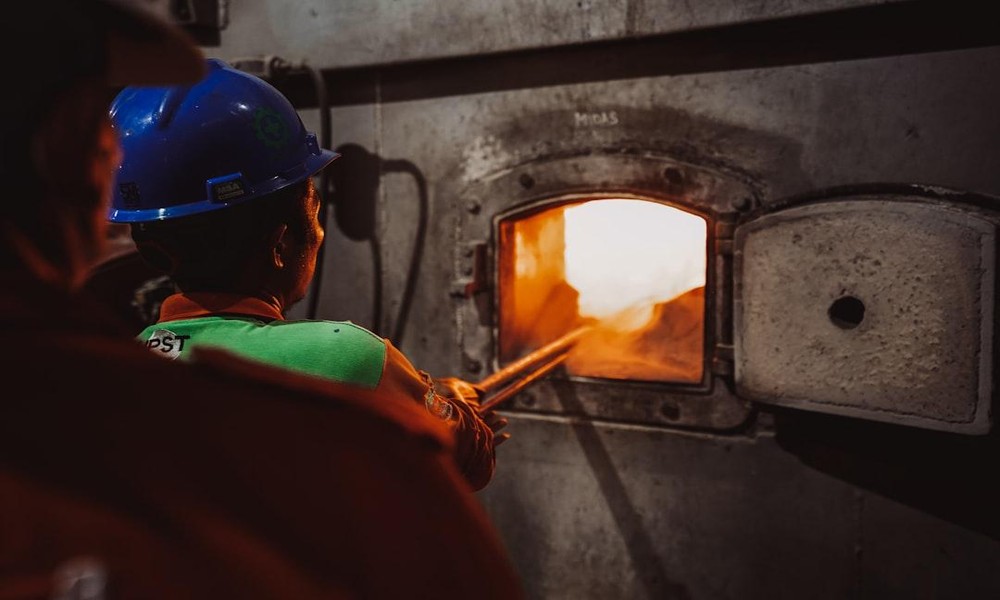
Recognizing the Need for Professional HVAC Repairs
Even in the relatively mild winters of Humble, TX, a functional furnace is indispensable for maintaining comfort and safety within our homes. Like any complex mechanical system, furnaces provide subtle cues when they’re struggling, long before a complete breakdown occurs. Recognizing these early warning signs can be the difference between a minor repair and a major, costly replacement. Understanding these indicators is the first step toward proactive home heating management.
One of the most noticeable signs that your furnace needs attention often comes from a change in its operational sounds. While all furnaces produce some noise, sudden banging, rattling, squealing, or grinding sounds are red flags. These noises can indicate loose components, worn-out bearings, or issues with the blower motor. Similarly, unusual smells, especially a strong burning odor that isn’t just the initial dust burn-off at the start of the season, could signal electrical problems, a clogged filter, or even a gas leak, which is a serious safety concern.
Another common indicator is a yellow or flickering pilot light in gas furnaces. A healthy pilot light should always burn a crisp blue. A yellow flame suggests incomplete combustion, which can lead to the production of dangerous carbon monoxide. This is a critical sign that demands immediate professional assessment. Furthermore, if your furnace is turning on and off more frequently than usual, known as “short cycling,” it might be struggling to maintain the desired temperature, possibly due to an oversized unit, a clogged filter, or a faulty thermostat. Conversely, if your furnace runs continuously without reaching the set temperature, it could be facing issues with heat output or airflow.
Beyond these immediate operational symptoms, homeowners should also pay attention to their energy bills. A sudden and unexplained spike in heating costs, despite consistent usage, often points to a furnace that is losing efficiency. This could be due to dirty components, a failing heat exchanger, or simply an aging system working harder to produce the same amount of heat. Inconsistent heating, where some rooms are warm while others remain cold, indicates a problem with heat distribution, potentially related to ductwork, the blower, or imbalances within the system. Addressing these issues promptly not only restores comfort but can also prevent minor problems from escalating into more severe and expensive repairs.
Common Indicators Requiring Immediate HVAC Repairs
While many furnace issues can develop gradually, certain symptoms demand immediate professional attention to ensure both comfort and safety. These indicators often signal a more critical problem within your heating system:
- Poor Air Quality: If you notice an increase in dust, pet dander, or other allergens circulating in your home, or if the air feels unusually dry, it could be a sign that your furnace’s filtration system is failing or that the unit itself is distributing contaminants. Worse, if you detect a stale or musty odor, it might indicate mold or mildew growth within the HVAC system, impacting indoor air quality significantly. A well-functioning furnace should contribute to a healthy indoor environment, not detract from it.
- Thermostat Malfunctions: The thermostat is the brain of your heating system. If it’s displaying inaccurate temperature readings, failing to respond to adjustments, or causing the furnace to behave erratically (e.g., turning on when it shouldn’t, or not turning on at all), it could be faulty. A malfunctioning thermostat can lead to inefficient operation, discomfort, and even prevent your furnace from working altogether, requiring a professional to diagnose whether the issue lies with the thermostat itself or the furnace’s connection to it.
- Ignition Failure: For gas furnaces, if the unit attempts to ignite but fails, or if you hear clicking sounds without the furnace firing up, it points to an ignition problem. This could be due to a faulty igniter, a dirty flame sensor, or issues with the gas supply. Without proper ignition, your furnace cannot produce heat, making this a critical repair, especially during colder periods.
- Blower Motor Issues: The blower motor is responsible for circulating heated air throughout your home. If you notice weak airflow from your vents, or no airflow at all, the blower motor might be struggling or completely failed. A failing blower motor can also manifest as loud squealing or grinding noises. Without adequate airflow, your home will not heat evenly, and the furnace itself can overheat, leading to further damage.
- Restricted Airflow: Beyond blower motor problems, airflow can be restricted by severely clogged air filters, blocked return air vents, or compromised ductwork. Restricted airflow forces your furnace to work harder, decreasing efficiency, increasing energy consumption, and potentially leading to overheating and premature system failure. Regular checks of your air filter and ensuring vents are unobstructed are simple preventative measures, but persistent airflow issues require professional diagnosis.
Addressing these critical indicators promptly with professional HVAC repair services ensures not only the restoration of warmth but also the long-term safety and efficiency of your heating system in your Humble, TX home.
The Diagnostic and Repair Workflow
When your furnace begins to show signs of trouble, understanding the typical diagnostic and repair workflow can help demystify the process and ensure you receive comprehensive service. A professional approach to furnace repair is systematic, designed to accurately identify the root cause of the problem and implement a lasting solution.
The process typically begins with a comprehensive inspection. This isn’t just a cursory glance; it involves a thorough examination of all major furnace components. Technicians will check the thermostat, electrical connections, gas lines (if applicable), burners, heat exchanger, blower motor, fan, and all safety controls. They’ll look for visible signs of wear, corrosion, leaks, or damage. This initial assessment is crucial for gathering all necessary information to understand the system’s overall health, not just the symptom you reported.
Following the inspection, the technician moves to precise diagnostics. Utilizing specialized tools and their extensive experience, they will pinpoint the exact cause of the malfunction. This might involve using multimeters to test electrical components, pressure gauges for gas lines, or specialized sensors to detect carbon monoxide or gas leaks. The goal is to move beyond the surface-level symptom to identify the underlying issue, ensuring that the repair addresses the actual problem, not just its manifestation.
A key aspect of professional service, especially when it comes to transparent pricing, is the provision of transparent estimates. Once the diagnosis is complete, a reputable service provider will clearly explain the identified problem, the necessary repairs, and the associated costs before any work begins. This estimate should detail parts, labor, and any potential additional fees, allowing you to understand the scope and expense of the repair. This upfront communication is fundamental to building trust and ensuring you’re fully informed to make a decision about your home’s heating.
Once you approve the estimate, the technician proceeds with expert repairs. This involves replacing faulty parts, cleaning dirty components, tightening loose connections, or making necessary adjustments. Skilled technicians are trained to handle a wide range of furnace models and issues, ensuring that the repairs are performed correctly and efficiently, using high-quality parts that meet industry standards.
After the repairs are completed, a critical step is system testing. The technician will operate the furnace through several cycles to ensure that the problem has been resolved and that the system is functioning correctly and safely. They will verify proper ignition, consistent heat output, adequate airflow, and the correct operation of all safety controls. This step confirms the effectiveness of the repair and provides peace of mind.
Finally, the process concludes with a final walkthrough. During this stage, the technician will explain what repairs were performed, offer advice on preventative maintenance, and answer any questions you may have. They might also provide tips on how to optimize your furnace’s performance and efficiency. This educational component empowers homeowners to better understand and care for their heating system moving forward.
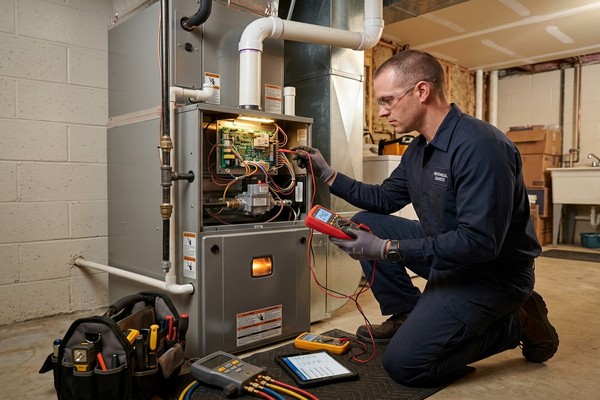
The Step-by-Step Workflow of HVAC Repairs
A detailed furnace repair workflow involves addressing specific components that are common culprits for heating system malfunctions:
- Gas Valve Inspection: For natural gas furnaces, the gas valve controls the flow of gas to the burners. Technicians will inspect it for proper operation, ensuring it opens and closes correctly and that there are no leaks. Malfunctions can lead to ignition failures or inconsistent heating.
- Pilot Light Cleaning/Igniter Replacement: Older gas furnaces rely on a pilot light, which can become dirty and fail to ignite the main burner. Cleaning it is a common repair. Modern furnaces use an electronic igniter, which can wear out or become faulty, requiring replacement to ensure the furnace can start.
- Heat Exchanger Exam: This is a critical safety check, especially for gas furnaces. The heat exchanger separates combustion gases from the breathable air circulating in your home. Cracks or corrosion can allow dangerous carbon monoxide to leak into your living space. Technicians use specialized tools to inspect its integrity thoroughly.
- Electrical Connection Tightening: Loose or corroded electrical connections can cause intermittent operation, system shutdowns, or even electrical hazards. Technicians will inspect and tighten all wiring and connections, ensuring a secure and reliable electrical supply to all furnace components.
- Flame Sensor Cleaning: The flame sensor is a safety device that detects if a flame is present in the burner. If it becomes dirty, it can falsely register no flame, causing the furnace to shut down prematurely. Cleaning this component is a common and often quick fix for intermittent furnace operation.
- Blower Motor and Fan Blade Check: The blower motor circulates air, and its fan blades can accumulate dirt or become unbalanced, leading to reduced airflow or unusual noises. Inspection includes cleaning the blades and checking the motor’s operation and lubrication.
- Thermostat Calibration and Wiring Check: Ensuring the thermostat is accurately reading the temperature and correctly communicating with the furnace is vital. Technicians will calibrate it and check its wiring for any faults.
- Ductwork Inspection: While not always a direct furnace repair, issues with ductwork (leaks, blockages) can significantly impact furnace performance and efficiency. Technicians may perform a basic visual inspection and advise on further duct services if needed.
This comprehensive approach ensures that every aspect of your furnace is evaluated, leading to effective repairs and a reliable heating system.
Essential Safety Protocols During Heating System Service
Safety is paramount when dealing with home heating systems, especially furnaces that utilize natural gas. In Humble, TX, where nearly half of all residents rely on natural gas for heating, adhering to strict safety protocols during furnace repair and maintenance is not just a best practice-it’s a necessity. Professional technicians are trained to prioritize safety at every step of the service process, protecting both your home and its occupants.
One of the most critical safety checks performed during furnace service is carbon monoxide testing. Carbon monoxide (CO) is an odorless, colorless, and highly toxic gas produced by incomplete combustion. A malfunctioning furnace, particularly one with a cracked heat exchanger or improper ventilation, can release CO into your home. Technicians use specialized detectors to check for any CO leaks, ensuring that your furnace is operating safely and not posing a silent threat.
Closely related to CO testing is the heat exchanger integrity check. The heat exchanger is a vital component in gas furnaces, responsible for transferring heat from the combustion gases to the air that circulates through your home. If the heat exchanger cracks, combustion gases, including carbon monoxide, can mix with the breathable air. Technicians meticulously inspect the heat exchanger for any signs of cracks, rust, or corrosion that could compromise its integrity, often using cameras or visual inspection techniques.
Gas leak detection is another non-negotiable safety protocol. Technicians will inspect all gas connections, lines, and the gas valve for any signs of leaks using electronic leak detectors or soap solutions. Even small gas leaks can be hazardous, posing risks of fire, explosion, or health issues. Prompt detection and repair of gas leaks are essential for home safety.
Proper ventilation checks are also crucial. Furnaces produce exhaust gases that must be safely vented out of your home. Technicians ensure that the flue pipe is clear of obstructions, properly sealed, and correctly sloped to allow for efficient and safe exhaust. Blocked or improperly installed vents can lead to a buildup of dangerous gases inside your home.
Finally, all safety controls within the furnace are thoroughly tested. These include limit switches (which prevent the furnace from overheating), flame sensors (which ensure a flame is present before gas continues to flow), and pressure switches. Ensuring these safety mechanisms are functioning correctly provides an essential layer of protection against various furnace malfunctions.
Regional Safety Considerations in Humble, TX
Given that nearly half of all residents of Humble, TX, use natural gas to heat their homes, specific regional safety considerations are particularly relevant. The widespread use of natural gas makes the proper maintenance and safety checks of gas furnaces even more critical for the community.
Combustion safety is at the forefront of these considerations. Natural gas furnaces rely on a precise air-to-fuel ratio for efficient and safe combustion. Any imbalance can lead to incomplete combustion, increasing the risk of carbon monoxide production. Professional technicians are trained to assess and adjust the burners and gas pressure to ensure optimal combustion.
A simple yet telling indicator of combustion safety that homeowners can observe is the pilot light color. As mentioned, a healthy pilot light in a gas furnace should burn a crisp, steady blue flame. A yellow or orange flame, or a flickering flame, is a warning sign. This indicates incomplete combustion, which means the furnace is not burning fuel efficiently and could be producing carbon monoxide. If you observe a yellow pilot light, it’s crucial to contact a professional HVAC technician immediately for a safety inspection. This seemingly minor detail can be a significant indicator of a potential hazard that requires expert intervention to rectify and ensure the safety of your Humble, TX home.
Maximizing System Longevity Through Proactive Care
The lifespan and efficiency of your furnace are not solely determined by its initial quality but heavily influenced by how diligently it’s maintained. In the varied climate of Humble, TX, where heating needs can fluctuate, proactive care is the cornerstone of maximizing system longevity and avoiding unexpected breakdowns. Regular maintenance transforms your furnace from a reactive expense into a reliable, long-term investment.
Consider the stark contrast between a well-maintained system and one that is neglected:
Feature Maintained System Neglected System Efficiency Retains 90-95% of original efficiency Drops to 60-70% efficiency over time Lifespan Achieves full 18-20 year lifespan or more Shortens to 8-10 years, requiring early replacement Breakdowns Experiences fewer, less severe breakdowns Prone to frequent, often major, failures Energy Bills Consistent, lower heating costs Unpredictable, higher energy consumption and costs Safety Regular checks minimize carbon monoxide and fire risks Increased risk of safety hazards Air Quality Better filtration, cleaner indoor air Accumulation of dust/allergens, poor indoor air quality This comparison clearly illustrates that annual tune-ups are not an optional luxury but a vital component of furnace ownership. These comprehensive checks ensure that all components are clean, lubricated, and functioning within manufacturer specifications. This includes seasonal maintenance, ideally performed in the fall before the heating season begins, to prepare your furnace for the demands ahead.
A simple yet impactful aspect of proactive care is filter replacement. Dirty filters restrict airflow, forcing your furnace to work harder, which reduces efficiency and can lead to overheating. While homeowners can often replace filters themselves monthly or seasonally, professional maintenance includes checking for proper filter type and ensuring the filter housing is sealed correctly.
Component lubrication is another key maintenance task. Moving parts within the blower motor and other areas require lubrication to reduce friction and wear and tear. This simple step can prevent premature failure of expensive components. By addressing these smaller issues, maintenance helps in efficiency retention, ensuring your furnace operates at peak performance, which directly translates to lower energy bills. Consistent proactive care helps your furnace achieve its full 15-20 year lifespan, providing reliable warmth for many years.
Benefits of Regular Maintenance Plans
For homeowners in Humble, TX, enrolling in a regular furnace maintenance plan offers a multitude of advantages that extend beyond just preventing breakdowns:
- Priority Service: Many maintenance plans include priority scheduling for repairs, meaning if your furnace does encounter an issue, you’ll often receive faster service than non-plan customers. This is invaluable during peak heating season when technicians are in high demand.
- Energy Savings: A well-maintained furnace operates more efficiently, consuming less energy to produce the same amount of heat. This directly translates to noticeable savings on your monthly utility bills. Over time, these savings can offset a significant portion of the maintenance plan cost.
- Breakdown Prevention: The primary goal of maintenance is to identify and address minor issues before they escalate into major, costly breakdowns. Technicians can spot worn parts, loose connections, or potential failures, allowing for proactive repairs rather than reactive emergency service.
- Peak Performance: Regular tune-ups ensure your furnace delivers consistent, optimal heating throughout your home. This means more reliable warmth, better airflow, and a more comfortable living environment for your family.
- Indoor Air Quality: Maintenance often includes cleaning components that can accumulate dust, mold, and allergens. This, combined with proper filter management, contributes to cleaner, healthier indoor air, which is especially beneficial for individuals with allergies or respiratory sensitivities.
- Extended System Lifespan: By keeping all components in good working order and preventing undue stress on the system, regular maintenance significantly extends the overall lifespan of your furnace, delaying the need for an expensive replacement.
- Warranty Protection: Many furnace manufacturers require proof of annual professional maintenance to keep your warranty valid. Neglecting maintenance could void your warranty, leaving you responsible for the full cost of future repairs.
- Cost Predictability: Maintenance plans often come with discounted repair rates or even cover certain minor repairs, making your overall heating costs more predictable and manageable.
Investing in a maintenance plan is a smart financial and safety decision for any homeowner, ensuring reliable heating and peace of mind.
Selecting a Reliable Service Provider
Choosing the right furnace repair company in Humble, TX, is a critical decision that impacts your home’s comfort, safety, and your wallet. With numerous options available, knowing what to look for can help you select a provider that offers not just repairs, but also peace of mind and transparent service.
First and foremost, always look for companies that employ NATE-certified technicians. NATE (North American Technician Excellence) certification is the industry’s highest standard for HVAC technicians, signifying a deep understanding of heating, ventilation, air conditioning, and refrigeration systems. These technicians undergo rigorous testing and continuous education, ensuring they possess the knowledge and skills to diagnose and repair complex furnace issues accurately and efficiently. Choosing NATE-certified professionals means you’re entrusting your system to someone with proven expertise.
Equally important is ensuring the company is fully licensed and insured. Licensing confirms that the company meets state and local regulatory requirements and standards. Insurance protects you from liability in case of accidents or damage during the repair process. Never hesitate to ask for proof of both licensing and insurance; a reputable company will gladly provide it.
Local expertise is another significant advantage. A company that has served the Humble area for many years understands the specific climate challenges, common furnace issues prevalent in the region, and local building codes. This localized knowledge can lead to more accurate diagnoses and tailored solutions. For instance, a company with a long-standing presence, such as those with 50 years HVAC Repairs experience, demonstrates a proven track record of reliability and commitment to the community. Such longevity often speaks volumes about their quality of service and customer satisfaction.
A strong satisfaction guarantee indicates a company’s confidence in their work and their commitment to customer happiness. This might include guarantees on parts and labor, or a promise to re-address any issues that arise shortly after a repair. Understanding the terms of their guarantee before service can provide valuable reassurance.
Finally, and central to our discussion, is transparent communication. A reliable service provider will offer clear, upfront explanations of the problem, the proposed solution, and a detailed, itemized estimate of costs. They should be willing to answer all your questions, avoid technical jargon where possible, and never pressure you into unnecessary repairs or upgrades. This commitment to transparency ensures that you are fully informed and comfortable with every decision made regarding your furnace repair, eliminating any surprises when the bill arrives. By prioritizing these factors, you can confidently choose an HVAC partner dedicated to delivering exceptional service and lasting comfort to your Humble, TX home.
Frequently Asked Questions about HVAC Repairs
Homeowners often have similar questions when faced with a malfunctioning furnace. Addressing these common concerns can help you make informed decisions about your heating system.
What are the most common signs that a furnace needs immediate attention?
Several key indicators suggest your furnace requires prompt professional repair. The most critical signs include a complete lack of heat, which means your system isn’t functioning at all. Strange and unusual noises, such as banging, rattling, or squealing, often point to mechanical failures within the unit. Any burning smells, especially those resembling burning plastic or electrical components, should be investigated immediately due to potential fire hazards. For gas furnaces, a yellow or flickering pilot light is a severe warning sign, indicating incomplete combustion and a potential carbon monoxide leak. Additionally, if your furnace is frequently turning on and off (short cycling) or running continuously without reaching the set temperature, it’s struggling to operate efficiently. Finally, a sudden and unexplained spike in your energy bills, despite consistent usage, can signal a significant loss of efficiency requiring professional assessment.
Why is prompt service important during a Texas cold front?
While Texas winters are generally mild, cold fronts can bring sudden and significant drops in temperature, making a functional furnace essential. Prompt furnace repair during these periods is crucial for several reasons. Firstly, it’s a matter of safety; a malfunctioning furnace, especially a gas unit, can pose risks such as carbon monoxide poisoning or fire hazards. Timely service ensures these dangers are mitigated quickly. Secondly, it’s about comfort and health; prolonged exposure to cold temperatures indoors can be detrimental, particularly for vulnerable populations like the elderly, young children, or those with health conditions. Waiting to address an issue can also allow a minor problem to escalate into a more severe and costly repair, potentially leading to a complete system breakdown when you need heat the most. Given the unpredictable nature of Texas cold snaps, having a reliable heating system is vital for maintaining a safe and comfortable home environment.
How does regular maintenance prevent the need for emergency service?
Regular furnace maintenance is the most effective strategy for preventing unexpected breakdowns and the need for costly emergency services. During a routine tune-up, a professional technician conducts a thorough inspection of all furnace components. This proactive approach allows them to identify and address minor issues, such as worn-out parts, loose connections, or dirty components, before they can escalate into major failures. For example, cleaning a dirty flame sensor can prevent ignition failures, and lubricating a noisy blower motor can prevent it from seizing up. Regular checks also ensure that all safety controls are functioning correctly, significantly reducing the risk of carbon monoxide leaks or other hazards that necessitate emergency intervention. By maintaining optimal efficiency, extending the system’s lifespan, and performing necessary safety checks, regular maintenance ensures your furnace operates reliably throughout the heating season, providing peace of mind and helping you avoid the inconvenience and expense of emergency repairs.
Conclusion
In Humble, TX, where home comfort and safety are paramount, understanding the nuances of furnace repair is essential for every homeowner. We’ve explored the critical signs that signal a need for professional attention, the meticulous workflow involved in diagnosing and repairing your heating system, and the indispensable safety protocols that protect your household. We’ve also highlighted the profound benefits of proactive maintenance in extending your furnace’s lifespan and ensuring its peak performance.
The foundation of reliable furnace repair rests on transparent pricing and clear communication. When you’re facing a heating issue, you deserve to know exactly what to expect, from the diagnosis to the final cost. Choosing a service provider committed to these principles means you’re not just getting a repair; you’re gaining a trusted partner dedicated to your long-term comfort and peace of mind. By recognizing the warning signs, understanding the repair process, prioritizing safety, and investing in regular maintenance, Humble residents can ensure their homes remain warm, safe, and comfortable for years to come.
