


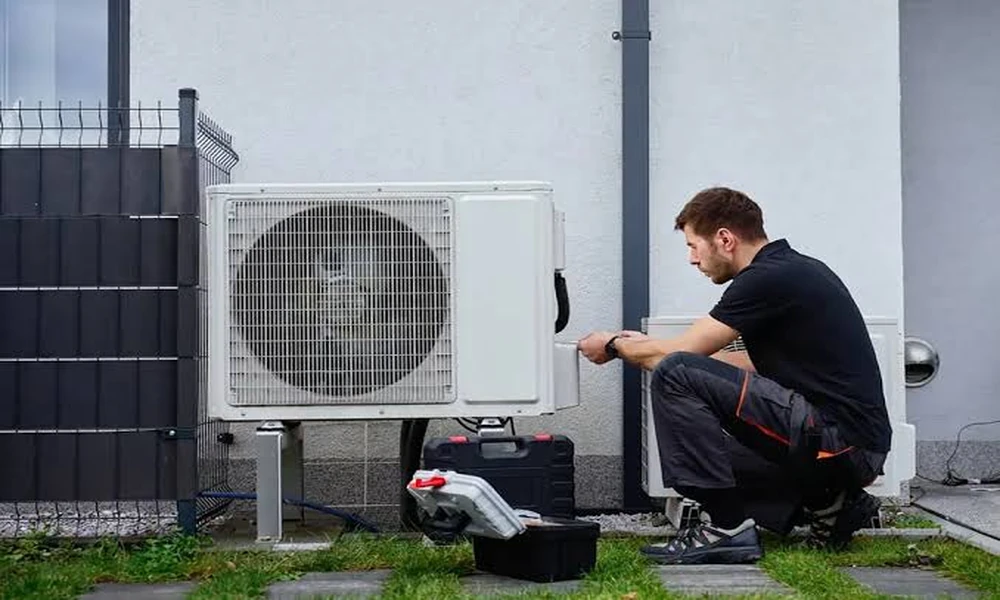
When a furnace or air conditioner gives out, the quickest path is to read the label on the old unit and order the same size. It feels logical. The old system heated and cooled the house for 15 or 20 years, so a matching replacement should do the same. In many homes, though, that original size was a guess to begin with, and the house around it has changed a lot since.
Homeowners planning an Oak Lawn hvac installation usually face this question right at the start, often with a broken system and a cold or hot house adding pressure. Local contractors such as topcomfortheatingcooling.com handle furnaces, boilers, air conditioners and full system replacements across the southwest suburbs, and the sizing conversation is where a good installation really begins.
Why the Old Label Is a Weak Guide
Many furnaces in older suburban homes were sized with simple rules of thumb. Installers often added extra capacity just to be safe, assuming bigger could only help. Over the decades, some homes have gone through two or three replacements, each one copying the size of the last.
Oversizing causes real problems. A furnace that is too large heats the house in short bursts, shuts off, then starts again minutes later. That short cycling wears out ignition parts and blower motors faster. It also leaves rooms swinging between too warm and too cool.
Oversized air conditioners have a different issue. They cool the air quickly but shut off before removing enough moisture. During a sticky Chicago area July, that leaves the house cool yet clammy, which is why some people keep turning the thermostat lower.
Your House Has Probably Changed
Even if the old size was right on day one, it may not fit today. Think about what has happened to the house since that equipment went in:
- New windows replaced drafty single pane glass
- The attic received extra insulation
- A basement was finished and now needs heat
- A room addition or sunroom was built
- Walls were opened up for an open floor plan
- More people, appliances and electronics now live in the space
Each change shifts how much heating and cooling the home actually needs. Better windows and insulation usually shrink the load. Additions and finished basements usually grow it. The old label knows nothing about any of this.
Load Calculations Replace Guesswork
The industry standard method for sizing residential equipment is a room by room load calculation, commonly known as Manual J. It accounts for wall and ceiling insulation, window size and direction, air leakage, local climate and how the home is laid out.
The process takes longer than reading a nameplate. An installer measures rooms, notes window types and checks insulation where possible. The result is a target capacity for heating and cooling that fits this specific house.
For homeowners, a simple question helps here. Ask whether the quote is based on a load calculation or on the old equipment size. The answer tells you a lot about how the rest of the job will be handled.
Ductwork Can Undo a Good Choice
A properly sized furnace still struggles if the ducts cannot move enough air. This is one of the most overlooked parts of any replacement.
Many postwar homes in the area have ducts designed for older, smaller blowers. Return vents are often too few or too small. Some supply runs pass through unheated spaces and lose warmth before reaching the rooms. When a newer, more powerful system gets connected to that same ductwork, it can run noisy, inefficient and hot.
A thorough installer measures static pressure, which shows how hard the blower is working to push air through the system. High readings may call for an added return, larger trunk lines or sealed joints. Sometimes these modest duct fixes improve comfort more than the new equipment itself.
Refrigerant Changes Shape the Choices
Air conditioners and heat pumps have gone through a major shift in recent years. Under federal rules, new residential systems manufactured since 2025 use lower impact refrigerants such as R-454B or R-32 instead of the long familiar R-410A. The EPA’s Technology Transitions page tracks these rules, including a 2026 update that lets previously built R-410A equipment continue to be installed.
For homeowners, the practical point is compatibility. Newer outdoor units usually need a matching indoor coil designed for the same refrigerant. Old refrigerant lines may need cleaning or replacing. Pairing a new outdoor unit with an old coil from a different generation often leads to poor performance and voided warranties.
This is also a natural moment to consider a heat pump. Cold climate models now handle Chicago winters far better than earlier versions, and many homeowners pair one with a gas furnace as backup for the coldest stretches.
What a Careful Installation Day Looks Like
The equipment matters, but so does how it is set up. A few checks separate a careful job from a rushed one.
Airflow Settings
Blowers ship from the factory with default speeds that rarely match the house. The installer should adjust them to suit the ductwork and the system’s capacity.
Refrigerant Charge
Cooling systems should be charged using measured readings, not just topped off by feel. Correct charge protects the compressor and keeps efficiency where it should be.
Combustion and Gas Pressure
Gas furnaces and boilers need their gas pressure and venting checked. High efficiency models vent through plastic pipe, and the termination outside needs proper clearance from windows, doors and snow lines.
Thermostat Setup
Modern thermostats have settings for system type, staging and fan behavior. Leaving them on defaults can make a two stage or variable speed system act like a basic single stage unit.
Living With the Right Size
A correctly sized system often runs longer cycles at lower output. That can surprise people who are used to hearing the old furnace roar on and off. Longer, gentler cycles are a good sign. They mean steadier temperatures, better humidity control in summer and less wear on parts.
So the honest answer to the title question is usually no. The new system should match the house as it stands today, not the equipment that came before it. Taking the time to measure, check the ducts and set everything up properly turns a replacement into a real upgrade that pays off season after season.
