


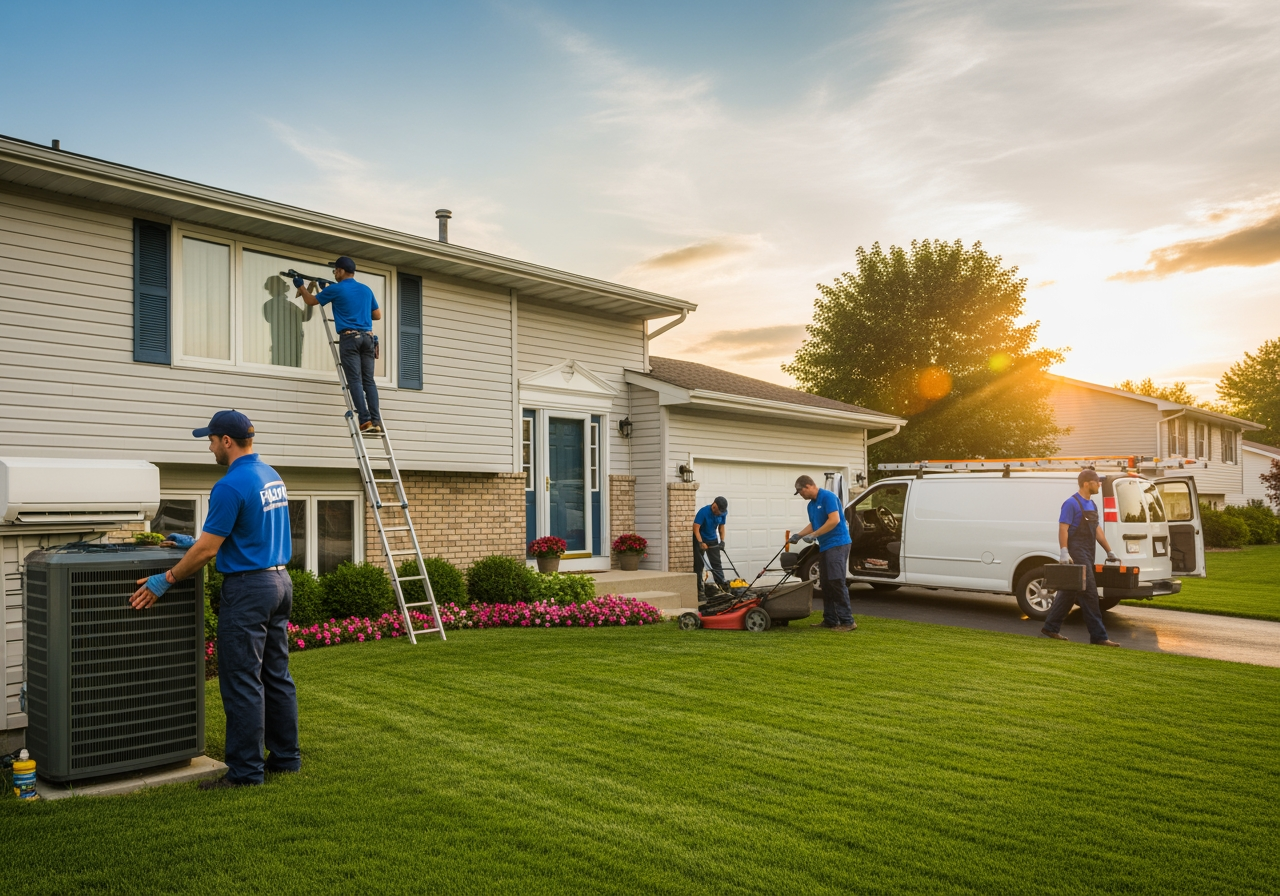
The Foundation of a Thriving Industry: Market Growth and the Trust Imperative
The home services industry is currently experiencing a period of unprecedented growth and change. This dynamic sector, encompassing everything from essential repairs to ambitious renovation projects, is not just expanding in size but also evolving in its very nature. At the heart of this evolution lies an undeniable truth: customer trust is the ultimate currency. As digital innovations reshape how services are sought and delivered, and as consumer confidence fluctuates with economic tides, the bedrock of reliability, transparency, expertise, and communication becomes more critical than ever.
The industry’s robust expansion, coupled with shifting consumer expectations, places a heightened emphasis on building and maintaining this trust. It’s about more than just completing a job; it’s about fostering a sense of security and assurance in a space as personal and significant as one’s home.
The Current State of the Home Services Industry
The numbers speak for themselves: the home services market in the United States is a colossal and rapidly expanding sector. As of early 2025, its estimated annual market size ranges between $650 billion and $750 billion annually. Projections indicate this growth trajectory is set to continue, with the market size potentially surpassing $1 trillion annually by 2029. Looking further ahead, the US home services industry is projected to surpass $1.4 trillion by 2030, with the online on-demand segment alone ready to reach an astounding USD 3.64 trillion by 2030.
This monumental growth is driven by several factors. The rise of on-demand services, facilitated by user-friendly platforms and mobile apps, has made booking home services easier and more convenient than ever before. There’s been a 150 percent increase in home service bookings since the pandemic, reflecting a significant shift in consumer behavior towards readily available solutions.
Furthermore, homeowners are making substantial investments in their properties. They spent 51 percent more on home services projects in 2023 than they did in 2019, with an average household dedicating $13,667 to 11 projects throughout the year. This increased home investment is a direct consequence of post-pandemic effects, as people spent more time in their homes and prioritized improvements to improve their living spaces. In fact, 65 percent of homeowners are planning large investments in home projects in the near future, including significant renovations and sustainability upgrades. This sustained demand underscores the industry’s critical role in maintaining and enhancing residential comfort and value.
Why Trust is Non-Negotiable
In an industry that operates within the most personal of spaces – our homes – trust is not merely a desirable trait; it is absolutely non-negotiable. When we invite service professionals into our homes, we are granting them access to our private lives, our families, and our most valuable possessions. This inherent vulnerability immediately lifts safety concerns, making a homeowner’s peace of mind paramount.
The services provided often involve significant financial investment, whether it’s a major HVAC system replacement, a plumbing overhaul, or a comprehensive home renovation. Homeowners need to be confident that their money is being well-spent on quality workmanship and ethical practices. The fear of being overcharged, receiving substandard work, or encountering hidden fees can erode trust quickly and severely damage a business’s reputation.
Beyond individual transactions, trust lays the groundwork for long-term relationships. Homeowners are not just looking for a one-time fix; they seek reliable partners for ongoing maintenance, future upgrades, and emergency situations. A service provider who consistently demonstrates integrity, transparency, and expertise builds a loyal customer base that relies on them for years to come. This peace of mind, knowing that a trusted professional is just a call away, is invaluable and forms the true cornerstone of a thriving home services business.
The Digital Shift: How Technology is Reshaping Consumer Expectations

The digital revolution has profoundly impacted how consumers interact with the home services industry, fundamentally reshaping their expectations. From the initial search to the final payment, technology now underpins nearly every step of the customer journey. Online booking platforms, smart home technology, seamless digital communication, and the pervasive influence of customer reviews have become integral to how homeowners choose and engage with service providers. This shift demands that businesses not only adopt new tools but also leverage them to build and reinforce trust in an increasingly digital world.
On-Demand Services and the Expectation of Reliability
The proliferation of on-demand services across various sectors has conditioned consumers to expect instant gratification and unparalleled convenience. In the home services industry, this translates to a strong preference for instant booking platforms. A staggering 94 percent of customers are more likely to book a service if they can do it online. This preference extends beyond initial booking to include the ability to cancel and reschedule appointments digitally, highlighting the demand for self-service options and flexibility.
Reliability is further improved through features like real-time technician tracking, which provides transparency and peace of mind, allowing homeowners to know exactly when to expect their service professional. Automated reminders for appointments and follow-ups minimize no-shows and demonstrate a commitment to efficient service. Seamless communication, often facilitated through in-app messaging or integrated CRM systems, ensures that customers are kept informed at every stage, from initial inquiry to job completion. These digital conveniences aren’t just perks; they are now baseline expectations that define a trustworthy and customer-centric service experience.
The Power of Social Proof: Online Reviews and Reputation
In today’s digital landscape, a company’s online reputation is its most powerful asset. The vast majority of consumers, 90 percent, use smartphones for online searches, and a staggering 98 percent turn to online platforms for information about local businesses. This digital-first approach means that homeowners are actively seeking social proof before making a booking decision.
Review sites like Google, Yelp, and Facebook have become indispensable vetting tools. In fact, 36 percent of consumers looked at two different review sites in 2024 before deciding on a service business, underscoring the weight placed on collective customer experiences. Positive reviews build legitimacy and trust, while negative feedback, if not addressed transparently, can quickly deter potential clients. Local search rankings are heavily influenced by the quantity and quality of online reviews, making proactive online reputation management a critical component of success. Businesses that accept transparency and actively engage with customer feedback, both positive and negative, demonstrate accountability and reinforce their trustworthiness.
Smart Home Integration and Data Privacy
The rapid adoption of smart home technologies is creating new opportunities and challenges for the home services industry. The smart home market is projected to grow significantly, from USD 174 billion in 2025 to USD 250.6 billion by 2029, with household penetration expected to exceed 92 percent by 2029. This widespread integration of IoT (Internet of Things) devices—from smart thermostats and lighting to security systems and appliances—is opening doors for predictive maintenance and remote diagnostics. Service professionals can increasingly monitor system performance, anticipate potential issues, and even troubleshoot remotely, offering proactive and efficient service.
However, this increased connectivity also brings data privacy to the forefront. Homeowners are rightly concerned about the security of their personal data and the control they have over their smart home ecosystem. For service providers, demonstrating robust data security measures and transparent data handling policies is crucial for building trust. The growing Arizona home services industry is seeing increased demand for smart home expertise, requiring technicians to be proficient not only in installation and repair but also in educating homeowners about data privacy and system control. Businesses that prioritize homeowner control and data protection will be seen as more trustworthy partners in managing these advanced home environments.
Navigating the Evolving Landscape of the Home Services Industry
The home services industry operates within a complex and ever-changing landscape, influenced by broad economic trends, growing environmental consciousness, and evolving consumer values. Adapting to these shifts is not just about survival; it’s about identifying new opportunities to build trust and deliver value. From navigating economic headwinds that encourage homeowners to invest more in their current properties, to embracing sustainability as a core business principle, and even specializing in niche markets, the industry is constantly evolving. Service providers must remain agile, informed, and customer-centric to thrive in this dynamic environment.
Economic Headwinds and the “Renovate-in-Place” Trend
Recent economic factors, particularly fluctuating interest rates, have significantly impacted the housing market dynamics. As 40 percent of homeowners said rising interest rates were a factor in home improvements, many are choosing to stay in their current homes rather than move. This has fueled a robust “renovate-in-place” trend, where homeowners invest in upgrading and maintaining their existing properties instead of seeking new ones. This trend is a major driver of increased home improvement spending, with the home remodeling market alone expected to reach USD 509 billion in 2025.
This increased homeowner investment presents a substantial opportunity for service providers. As homeowners commit to long-term residency, they are more inclined to invest in higher-quality, more durable solutions, and ongoing maintenance. This shift demands that businesses focus on delivering lasting value and building relationships based on trust, as these homeowners are seeking partners for the long haul.
Sustainability as a Modern Trust Signal
Environmental sustainability is no longer a niche concern; it’s a mainstream consumer expectation and a powerful trust signal. A significant 70 percent of consumers prefer eco-friendly home services, driving demand for businesses that prioritize green practices. This includes installing energy-efficient appliances, such as high-SEER HVAC systems, which can save customers 10-12 percent on heating bills and 15 percent on cooling bills.
Water conservation is another key area, with demand for insulation and waterproofing increasing by 26 and 23 percent respectively in 2023. Homeowners are increasingly seeking solutions to protect their properties from extreme weather events and reduce their environmental footprint. Furthermore, 73 percent of new home buyers look for an ENERGY STAR-certified house, indicating a strong market preference for green certifications and sustainable building practices. Businesses that openly accept and promote their eco-friendly initiatives not only meet consumer demand but also build a reputation for responsibility and forward-thinking, fostering deeper trust.
Specialization and Niche Markets
The broad home services industry is seeing a rise in specialized and niche markets, driven by specific consumer needs and external factors. Weatherproofing services, for instance, have seen a significant surge in demand due to increasingly frequent and severe climate events. New generator installation and repair businesses have increased by 49 percent, and new waterproofing services have risen by 19 percent, as homeowners seek to protect their properties.
Another rapidly growing segment is pet-friendly solutions. With many households expanding their families with pets, the demand for services catering to furry companions has boomed. Pet-friendly lawn care services, for example, saw a remarkable 122 percent growth in business openings in 2023. Similarly, aging-in-place modifications, which allow seniors to remain safely and comfortably in their homes, represent a growing market. Accessory Dwelling Units (ADUs) are also gaining traction, with the market projected to reach $10.6 billion by 2030, offering opportunities for specialized construction and installation services. Expert providers of specialized tasks like garage door home services build trust through focused skill sets, demonstrating deep knowledge and experience in a particular area. By identifying and excelling in these niche areas, businesses can differentiate themselves, attract specific customer segments, and cultivate a reputation for specialized expertise, which is a powerful component of trust.
Overcoming Key Challenges to Build Lasting Customer Relationships
While the home services industry is booming, it is not without its significant challenges. The persistent skilled labor shortage, the ongoing quest for operational efficiency, and the ever-present need to exceed customer expectations are critical areas that businesses must address to build lasting customer relationships. Overcoming these problems requires strategic investment in workforce development, leveraging data-driven insights, and a steadfast commitment to delivering exceptional, personalized service. These efforts directly contribute to a company’s trustworthiness and its ability to thrive in a competitive market.
The Skilled Labor Shortage and the Value of Professionalism
One of the most pressing issues facing the home services industry is the severe skilled labor shortage. Over 50 percent of home service businesses report difficulties in finding qualified workers, a problem exacerbated by an aging workforce. An average of 382,000 monthly job openings arose in construction between August 2023 and July 2024, and by 2027, the US will have a shortage of 550,000 plumbers. Nearly 30 percent of electricians are close to retirement, further highlighting the critical need for new talent.
In this environment, the value of professionalism becomes even more pronounced. Beyond technical skills, soft skills are paramount. Courtesy and friendliness were cited by 41 percent of HVAC customers in positive reviews, ranking highest among factors like skill/knowledge and punctuality. Consistent service quality, clear communication, and respectful interactions are crucial for building trust and retaining customers. Businesses that invest in comprehensive training programs that cover both technical expertise and customer service etiquette will stand out and cultivate a reputation for reliability in a challenging labor market.
Hyper-Personalization in the home services industry
In an increasingly competitive market, generic service offerings no longer suffice. Hyper-personalization has emerged as a key strategy for building strong, lasting customer relationships. It’s important to 80 percent of customers to receive personalized experiences, and businesses that lead with data see a 50 percent increase in profit growth.
Leveraging data-driven insights allows service providers to offer custom recommendations custom to a homeowner’s specific needs, property characteristics, and service history. This might include suggesting optimal maintenance schedules, recommending energy-efficient upgrades based on usage patterns, or offering personalized discounts on related services. Subscription models for preventative maintenance, for example, provide recurring revenue while offering homeowners peace of mind and demonstrating a proactive approach to their home’s care. Personalized communication—whether through preferred channels, customized offers, or follow-up messages that acknowledge past services—reinforces the idea that the customer is valued and understood. This level of individualized attention builds deep trust and fosters loyalty, encouraging repeat business and positive word-of-mouth referrals.
Frequently Asked Questions about the Home Services Sector
What are the biggest factors driving growth in home services today?
The home services industry’s remarkable growth is primarily propelled by a confluence of factors. The “renovate-in-place” trend, largely influenced by economic considerations like fluctuating interest rates, encourages homeowners to invest in their current properties rather than moving. Simultaneously, the increasing adoption of smart home technology, from IoT devices to voice-activated AI solutions, creates new service demands for installation, integration, and maintenance. Furthermore, a growing consumer preference for environmental sustainability drives demand for eco-friendly and energy-efficient services. Lastly, the convenience of on-demand digital platforms has revolutionized how homeowners access and book services, making the process faster and more accessible than ever before.
How has consumer behavior changed when choosing a service provider?
Consumer behavior in the home services sector has undergone a significant change. Today’s homeowners are decidedly digital-first, initiating their search for service providers online. They rely heavily on online research and reviews to vet companies, often checking multiple review sites before making a decision. This digital scrutiny means they expect seamless online booking capabilities, transparent communication regarding services and pricing, and highly personalized service experiences. Consumers are prioritizing trustworthy and reputable businesses that can demonstrate their reliability and expertise through their online presence and customer feedback.
Why is choosing a trustworthy provider so important for home maintenance?
Choosing a trustworthy provider for home maintenance is paramount due to the inherently personal and significant nature of the service. It involves granting someone access to your home, your private space, and often, your family. Furthermore, home maintenance often represents a significant financial investment. A trusted professional ensures not only the safety of your home and its occupants but also guarantees quality workmanship, fair pricing, and ethical practices. This assurance provides invaluable peace of mind, protecting your most valuable asset and fostering a long-term relationship built on reliability and confidence.
Conclusion: The Unchanging Core of a Dynamic Industry
The home services industry stands at a fascinating crossroads, where rapid technological advancements and evolving market trends intersect with the timeless human need for trust. From the burgeoning market size and the digital shift in consumer expectations to the economic forces driving the “renovate-in-place” trend and the imperative of sustainability, the industry is in constant motion. Yet, amidst all this dynamism, the core principle of customer trust remains an unwavering constant.
Technology will continue to innovate, offering new efficiencies and conveniences. Market trends will ebb and flow, creating new opportunities and challenges. But at the heart of every successful home service business lies a deep commitment to a customer-centric approach. Building relationships founded on reliability, transparency, expertise, and genuine communication is not just a best practice; it is the ultimate strategy for longevity and success. For service providers, cultivating this trust is more than good business—it’s about becoming an indispensable partner in maintaining the comfort, safety, and value of our homes. In this changing landscape, trust isn’t just a component of service; it is the ultimate currency.
