


Understanding the financial commitment of homeownership extends beyond mortgage payments and property taxes. A crucial aspect often overlooked is setting aside funds for ongoing maintenance and future upgrades. We recommend establishing an annual savings strategy, with industry experts suggesting budgeting between 1% to 4% of your home’s value each year. This percentage can fluctuate; newer homes might fall on the lower end, while older properties or those with recent renovations may require a higher allocation. It’s important to consider your home’s purchase price as a baseline, but also its current market value, as this reflects the potential cost of repairs and replacements.
This budget isn’t just for unexpected emergencies; it’s designed to cover routine maintenance projects that prevent larger, more expensive issues. Think of it as preventative care for your most significant asset. To make this process seamless, consider setting up automatic transfers to a dedicated “Home Maintenance” savings account. Even a small amount regularly moved into this fund can accumulate significantly over time, preparing you for everything from minor fixes to major system replacements. For homeowners looking to manage their property’s long-term health and value, understanding these financial aspects is key. Resources like EMC home maintenance and upgrades can offer further insights into comprehensive property care and planning for various projects. By proactively planning for these expenses, we can avoid the stress and financial strain of sudden, costly repairs, ensuring our homes remain comfortable and well-maintained.
Seasonal and Monthly Checklists for Property Preservation
Maintaining a home effectively involves a consistent, structured approach, much like a regular health check-up. We find that organizing tasks into monthly and seasonal checklists is an excellent way to ensure nothing is missed, protecting our property year-round.
Monthly Priorities for Safety and Efficiency
Every month, certain tasks should be at the top of our list to ensure safety and optimal functioning. These include:
- Testing Detectors: Regularly test smoke and carbon monoxide detectors to ensure they are operational. Replace batteries at least twice a year, often coinciding with daylight saving time changes.
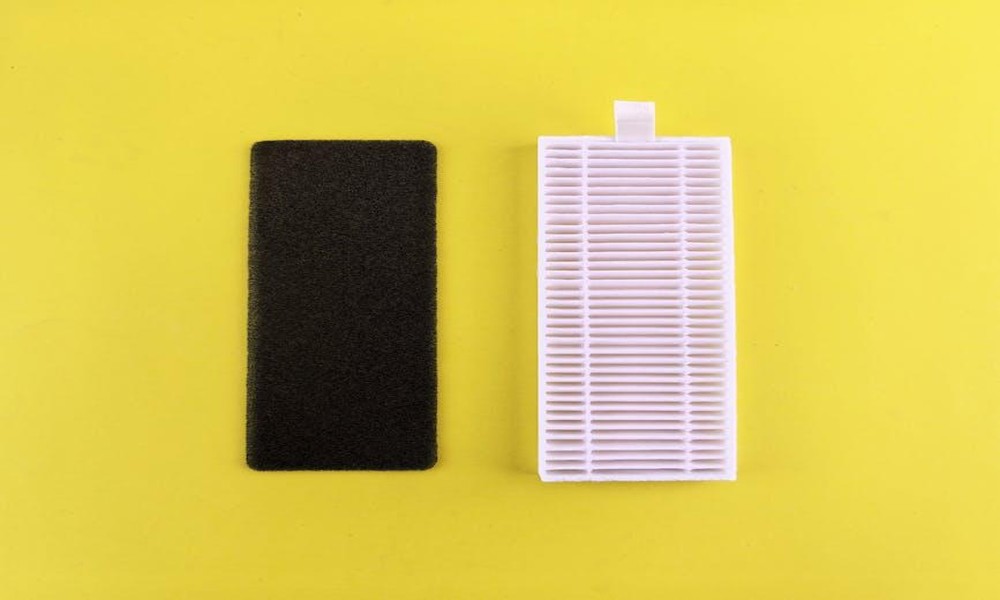
- Cleaning Filters: Change or clean furnace and air conditioning filters every 30 to 90 days, depending on usage and household conditions. This improves air quality and system efficiency.
- Inspecting Fire Extinguishers: Check the pressure gauge on fire extinguishers to confirm they are adequately charged and accessible.
- Kitchen Maintenance: Clean range hood filters to prevent grease buildup and ensure proper ventilation. Inspect refrigerator coils and hoses.
- Plumbing Checks: Look for leaks around toilets, sinks, and appliances. Address constantly running toilets, which can waste significant amounts of water.
Seasonal Upkeep for Year-Round Protection
Our homes face different challenges throughout the year, necessitating seasonal adjustments to our maintenance routines.
Spring and Summer Tasks: As the weather warms, our focus shifts to exterior care and preparing for warmer temperatures.
- Gutter Clearing: Clean gutters and downspouts thoroughly to prevent water overflow and foundation damage. Ensure they direct water at least 2-3 feet away from the house.
- Roof Inspections: Use binoculars to visually inspect the roof for missing, damaged, or curling shingles. Look for signs of wear around flashing and chimneys.
- HVAC Tune-up: Schedule professional air conditioning maintenance to ensure efficient operation during hot months.
- Exterior Checks: Inspect siding, paint, and caulk for cracks or damage. Check window and door screens for tears.
- Landscaping: Trim trees and shrubs away from the house to prevent pest access and structural damage.
Fall and Winter Preparation: Before the cold sets in, we prepare our homes to withstand harsh conditions.
- Winterizing Outdoor Faucets: Disconnect hoses and drain outdoor faucets to prevent pipes from freezing and bursting.
- Chimney and Fireplace Cleaning: If you use a fireplace, have the chimney professionally inspected and cleaned to prevent chimney fires (an average of 22,300 occur annually).
- HVAC Tune-up: Schedule professional furnace maintenance to ensure your heating system is ready for colder temperatures.
- Attic Insulation: Check attic insulation levels and seal any air leaks to improve energy efficiency and prevent ice dams.
- Weatherstripping and Sealing: Inspect and replace worn weatherstripping around doors and windows to prevent drafts and heat loss.
Creating a personalized maintenance schedule tailored to our home’s specific needs and local climate is crucial. For instance, homes in areas with heavy foliage might require more frequent gutter cleaning, while those in colder climates need extra attention to insulation and pipe protection. By adhering to these checklists, we can preserve our property, enhance its longevity, and avoid many common, preventable issues.
Critical Structural and Safety Inspections
Beyond routine seasonal tasks, certain critical structural and safety inspections require regular attention, often by professionals, to safeguard our homes and families. These checks address the fundamental integrity and operational safety of our property.
HVAC System Maintenance: Our heating, ventilation, and air conditioning (HVAC) systems are central to indoor comfort and air quality. Annual professional tune-ups are essential to ensure they run efficiently, prevent breakdowns, and extend their lifespan. Technicians can identify potential issues, clean components, and optimize settings. For comprehensive care and reliable service, consider expert providers in Royalty home maintenance.
Roof Integrity: The roof is our home’s primary defense against the elements. We should conduct annual inspections for signs of damage, such as missing shingles, granule loss, or sagging. Even small leaks can lead to significant water damage, mold, and structural issues if left unaddressed.
Foundation Monitoring: The foundation is the bedrock of our home. Regularly check for cracks, shifting, or moisture in the basement or crawl space. Slanted floors or hard-to-open windows can also indicate foundation problems that require immediate professional assessment.
Plumbing Leak Detection: Persistent drips or hidden leaks can cause extensive damage and waste water. We should periodically check under sinks, around water heaters, and exposed pipes for any signs of moisture or corrosion. Testing shutoff valves annually ensures they work when needed.
Electrical Panel Safety: Outdated or overloaded electrical systems pose a significant fire hazard. An annual electrical inspection by a qualified electrician can identify frayed wiring, faulty outlets, or insufficient capacity, especially in older homes. The presence of knob-and-tube wiring, common in century-old properties, is a particular red flag.
Chimney and Fireplace Cleaning: If you have a fireplace, professional chimney cleaning and inspection are vital. Lint buildup in clothes dryer vents can also cause fires, with approximately 15,500 house fires attributed to this annually. Regularly cleaning dryer vents is a simple yet critical safety measure.
To help us distinguish between tasks we can handle and those best left to the experts, here’s a comparison:
DIY-Friendly Maintenance Tasks Professional-Only Services Changing HVAC filters Annual HVAC system tune-ups and complex repairs Cleaning gutters Roof inspections (especially on steep roofs) and repairs Testing smoke/CO detectors Electrical panel inspections and wiring upgrades Flushing water heater (simple models) Major plumbing repairs (e.g., pipe replacement) Cleaning dryer vents Chimney sweeping and inspection Inspecting for visible leaks Foundation crack assessment and repair Minor landscaping Pest extermination (termites, carpenter ants) Sealing air leaks around windows/doors Radon testing and mitigation system installation Cleaning appliance coils Septic system pumping and inspection While we can confidently tackle many routine tasks, recognizing when to call in a professional is key to avoiding costly mistakes and ensuring our home’s long-term safety and integrity. The Consumer Product Safety Commission reports about 500,000 people are injured in ladder-related accidents each year, highlighting the importance of knowing our limits, especially for tasks like roof inspections.
Specialized Maintenance for Historic and Older Homes
Owning a historic or older home, especially a century-old property, comes with a unique set of responsibilities and maintenance considerations. These homes often possess unparalleled charm and character, but they also demand specialized care to address age-related issues and preserve their unique heritage.
Structural Checks for Century-Old Properties: For homes that have stood for 100 years or more, foundational integrity is paramount. We must be vigilant for signs of shifting or settling, such as slanted flooring, cracks in walls or ceilings, and windows that are difficult to open or close. These can indicate underlying foundation problems requiring expert evaluation. Exterior inspections should focus on the foundation for cracks, moisture, and unevenness.
Outdated Systems and Hazards: Many older homes predate modern building codes and materials, leading to specific hazards:
- Knob-and-Tube Wiring: Common in homes built before the 1940s, this wiring system can be a fire hazard, especially if insulation has deteriorated or it’s been improperly modified. We should have it inspected by a qualified electrician and consider replacement.
- Cast-Iron Pipe Replacement: Older plumbing systems often feature cast-iron pipes, which can corrode over time, leading to leaks, blockages, and reduced water flow. Replacing these with modern materials like PEX or PVC can prevent significant water damage.
- Lead Paint and Asbestos Awareness: Homes built before 1978 likely contain lead-based paint, and asbestos was commonly used in building materials until the late 1970s. Disturbing these materials can release hazardous particles. We must hire certified professionals for testing and removal to ensure safety.
- Radon Gas Testing: Radon gas, a naturally occurring radioactive gas, can seep into homes through foundation cracks and is more common in older, less sealed structures. Regular testing and, if necessary, installing a mitigation system are crucial for indoor air quality.
- Mold Prevention: Older homes can be more susceptible to moisture issues. We should regularly check for mold, particularly in humid areas like basements, bathrooms, and attics, addressing leaks and improving ventilation to prevent its growth.
- Pest Infestation Red Flags: Older wooden structures can be attractive to pests. Signs like wood dust can signal carpenter ants or termites, while droppings or gnaw marks indicate rodent activity. Regular inspections and prompt action are vital to prevent extensive damage.
Preserving Historic Character While Upgrading Efficiency: The challenge with older homes is often balancing preservation with modern efficiency and comfort. We can preserve unique historic features like original molding or stained-glass windows while making strategic upgrades. For example, replacing single-pane windows with energy-efficient models can drastically reduce energy loss without sacrificing aesthetic appeal if done thoughtfully. Modern materials like fiber cement siding or PVC railings can offer longevity and reduced maintenance while complementing the home’s historic style.
New vs. Old Home Maintenance Priorities: While newer homes focus on maintaining modern systems and preventing premature wear, older homes prioritize addressing inherent age-related risks, hazardous materials, and upgrading outdated infrastructure for safety and efficiency. It takes a special commitment to own and care for a historic home, but the reward is a living piece of history that offers enduring charm and character.
Strategic Planning and Financing for Property Improvements
Approaching home improvements strategically can transform what might seem like an overwhelming list of tasks into a manageable roadmap for enhancing our property. We find it helpful to categorize renovations to clarify priorities and guide decision-making. These categories typically include urgent repairs, quality-of-life improvements, value-adding renovations, and nice-to-have luxuries.
- Urgent Repairs: These are critical for safety, structural integrity, or preventing further damage. Examples include fixing a leaky roof, addressing foundation cracks, repairing faulty electrical wiring, or mitigating mold. These should always take precedence.
- Quality-of-Life Improvements: These projects enhance our daily living experience, such as updating an outdated bathroom, improving kitchen functionality, or adding a comfortable outdoor living space. While not urgent, they significantly impact our enjoyment of the home.
- Value-Adding Renovations: These are projects with a strong return on investment (ROI), often undertaken when planning to sell or to increase the home’s market value. Kitchen and bathroom remodels, exterior enhancements, and energy-efficient upgrades frequently fall into this category.
- Nice-to-Have Luxuries: These are subjective upgrades that cater to personal preferences but may not offer a high ROI or address immediate needs, such as a custom closet system, a high-end appliance not critical to function, or a swimming pool.
Prioritizing High-ROI Home Maintenance and Upgrades
When considering upgrades, focusing on projects that offer a strong return on investment can be a smart financial move. For instance, replacing your garage door can earn you more than a 93% return on investment, making it a highly effective exterior upgrade. Energy-efficient window upgrades not only improve comfort and reduce utility bills but also add significant value.
Beyond visible upgrades, systems that improve efficiency and prevent future problems are excellent investments. Installing low-flow fixtures, such as showerheads and toilets, is a simple yet effective water conservation step that reduces utility costs. For specialized attention to these vital systems, seeking Expert plumbing maintenance can ensure your home’s water systems are efficient and well-maintained. Sealing attic air leaks and insulating ductwork are also high-impact projects. They drastically improve indoor air quality and energy efficiency by preventing conditioned air from escaping and keeping pollutants out. These steps contribute to a healthier indoor environment and lower energy consumption, making them smart, value-adding choices.
Financing Your Home Maintenance and Upgrades
Once we’ve prioritized our projects, the next step is to explore financing options. Several avenues exist to fund home repairs and renovations:
- Home Equity Line of Credit (HELOC): A revolving credit line secured by your home’s equity, offering flexibility to draw funds as needed.
- Home Equity Loans: A lump-sum loan secured by your home’s equity, typically with a fixed interest rate and repayment schedule.
- Cash-Out Refinances: Replacing your existing mortgage with a larger one, taking the difference in cash. This can be beneficial if interest rates are favorable.
- Personal Home Improvement Loans: Unsecured loans that don’t require home equity, often with higher interest rates but quicker approval.
Budgeting for elective upgrades separately from essential maintenance helps us manage finances effectively. When managing multiple projects, we recommend creating a long-term property roadmap, outlining phased projects, estimated costs, and timelines. This approach helps in coordinating tasks, minimizing cost overruns, and ensuring that each improvement contributes to our overall vision for the home. Strategic planning and smart financing empower us to transform our homes into more comfortable, efficient, and valuable assets.
Frequently Asked Questions
How often should major home components like roofs and water heaters be inspected?
Regular inspections are key to extending the lifespan of major home components and preventing unexpected failures. We generally recommend the following:
- Roofing: A professional roof inspection should be conducted annually, especially after severe weather. While many roofs are designed to last 20-30 years, annual checks can catch early signs of wear, such as missing shingles, granule loss, or compromised flashing, which can be repaired before they lead to major leaks.
- Water Heaters: We advise flushing your water heater annually to remove sediment buildup. This simple task improves efficiency and can significantly extend the unit’s life. Professional inspections every 2-3 years can identify potential issues with heating elements, anode rods, or pressure relief valves.
- HVAC Systems: Annual professional tune-ups for both heating and cooling systems are crucial. With proper maintenance, HVAC units typically last 15-20 years, but neglecting them can drastically shorten this lifespan and lead to inefficient operation.
- Decks: Wooden decks should be inspected annually for loose boards, rot, or structural issues. Sealing or staining every 2-3 years, depending on exposure, helps protect the wood and can extend the deck’s lifespan to an average of 20 years.
- Appliances: While lifespans vary (e.g., refrigerators 10-13 years, washing machines 10 years), regular cleaning of coils, filters, and hoses can maximize their efficiency and longevity.
What are the most common red flags to look for during a home inspection?
During a home inspection, both homeowners and potential buyers should be vigilant for certain red flags that can indicate significant underlying problems:
- Foundation Cracks: Visible cracks in the foundation, bowing walls in the basement, or uneven settlement can point to serious structural issues.
- Moisture in Crawl Spaces or Basements: Any signs of water intrusion, dampness, or active leaks can lead to mold, wood rot, and pest infestations.
- Uneven Flooring: Sloping or bouncy floors can signal foundation problems, compromised subflooring, or structural damage.
- Hard-to-Open Windows and Doors: This can be a sign of shifting foundations or structural movement, impacting the frame’s alignment.
- Outdated Electrical Wiring: Knob-and-tube wiring, frayed wires, frequently tripping breakers, or ungrounded outlets are safety hazards.
- Plumbing Discoloration or Low Pressure: Stains around pipes, persistent drips, or weak water pressure can indicate leaks, corrosion, or blockages in the plumbing system.
- Roof Granule Loss: Excessive granules in gutters or bare spots on shingles suggest the roof is nearing the end of its life.
- Pest Evidence: Droppings, gnaw marks, or wood dust can indicate active pest infestations.
When conducting inspections, especially involving heights, safety comes first. The Consumer Product Safety Commission reports about 500,000 people are injured in ladder-related accidents each year, so it’s often best to consult professionals for elevated or complex assessments.
How can I improve my home’s energy efficiency and indoor air quality through maintenance?
Improving energy efficiency and indoor air quality (IAQ) often go hand-in-hand with diligent home maintenance:
- HVAC Filter Replacement: This is one of the simplest yet most effective steps. Replacing HVAC filters every 30-90 days, depending on usage, significantly improves IAQ by trapping dust, allergens, and pollutants. It also boosts energy efficiency by ensuring unrestricted airflow, allowing your system to run optimally.
- Duct Sealing: Leaky ductwork can waste a substantial amount of conditioned air and draw in dust and insulation particles. Sealing duct joints with mastic sealant or foil-backed HVAC tape, and then insulating the ducts, drastically improves energy efficiency and prevents contaminants from entering your breathing air.
- Low-VOC Paints: When painting, choosing low-VOC (volatile organic compound) paints reduces the release of harmful chemicals into your indoor environment, contributing to better IAQ.
- Exhaust Fan Usage: Regularly using exhaust fans in bathrooms and kitchens helps control humidity, which prevents mold and mildew growth, and removes cooking fumes and pollutants.
- Humidity Control: Maintaining indoor humidity levels between 30-50% prevents both excessive dryness and moisture-related issues. Dehumidifiers in damp areas and humidifiers in dry climates can help.
- Smart Thermostat Integration: Installing a smart thermostat allows for precise temperature control, programmable schedules, and often features like geofencing, optimizing energy use based on occupancy patterns.
- Energy Audits: A professional energy audit can identify specific areas of energy loss in your home, such as inadequate insulation, air leaks, or inefficient appliances, guiding targeted improvements.
- Sealing Air Leaks: Beyond ducts, sealing air leaks around windows, doors, electrical outlets, and plumbing penetrations with caulk and weatherstripping prevents drafts, reduces energy waste, and minimizes the entry of outdoor pollutants.
These maintenance practices not only save money on utility bills but also create a healthier, more comfortable living environment for everyone in the home.
Conclusion
Our home is more than just a structure; it’s a dynamic investment that thrives on consistent attention and strategic planning. We’ve explored how proactive home maintenance is not merely about fixing problems but about protecting our property’s value, ensuring long-term structural integrity, and cultivating a safe, comfortable living environment. From budgeting 1% to 4% of your home’s value annually to implementing seasonal checklists, every task contributes to a larger goal: avoiding costly emergency repairs and enhancing our quality of life.
Whether it’s the specialized care required for a century-old home or the strategic upgrades that boost energy efficiency and ROI, understanding our home’s needs empowers us. By distinguishing between DIY tasks and professional services, prioritizing urgent repairs, and wisely financing improvements, we transform homeownership from a daunting responsibility into a rewarding journey. The consistent effort we invest in our homes today pays dividends in peace of mind, financial stability, and the enduring comfort of a well-maintained property for years to come.
