


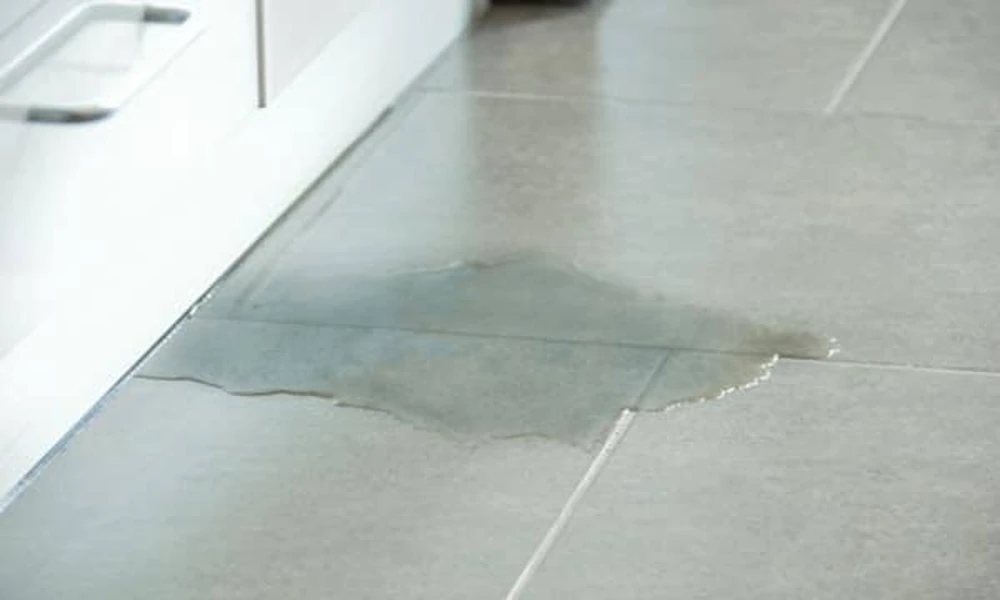
A leak under the sink is easy to deal with: you see the puddle, you shut the valve, and you call for help. A leak under the concrete floor is different. Water can run into the soil under the house for weeks or months before anything inside looks wrong. By the time a floor feels warm or a crack shows up in the tile, a lot of water has gone into the ground.
Slab-on-grade construction is common across warm regions because it’s affordable and well suited to sandy soil. The tradeoff is that many homes have copper or plastic water lines buried in or under the concrete. When one of those lines fails, nobody can see it, and the clues are easy to explain away as something else.
Homeowners often notice a strange reading on the water meter or a patch of floor that stays warm. The questions a good Lutz plumber asks next usually show whether the problem is under the slab. Scale matters here. EPA WaterSense data show that the average family can lose about 9,400 gallons a year to household leaks. A pressurized line leaking under the slab can push that number much higher because it never stops running.
What Causes Pipes Under Concrete to Fail
Several slow forces work on buried lines at the same time.
Water chemistry is one. Minerals in hard water leave scale on pipe walls, and the U.S. Geological Survey explains that this buildup can gradually narrow pipes and cut water pressure. Narrower pipes mean faster, more turbulent flow at bends and joints, which wears copper thin from the inside.
Abrasion is another. A pipe that touches concrete, gravel or rebar shifts slightly every time water starts and stops. Over the years, that small rubbing can wear through the pipe wall. Hot water lines are especially exposed because they expand and contract with every shower.
The ground matters too. Sandy soil settles, and long dry spells followed by heavy rain move it even more. When the soil under a slab shifts, the concrete and the pipes inside it take the strain.
Installation also plays a part. Kinked tubing, poorly protected joints, or pipe laid directly against concrete without a sleeve can fail decades early.
Clues That Are Easy to Miss
Slab leaks rarely announce themselves. They show up as small oddities that add up over time.
A warm spot on tile or wood flooring often points to a hot water line leaking below. You might hear faint running water when every fixture is off. Carpet may feel damp or smell musty along one wall. Baseboards can swell, and new cracks may appear in floor tile or drywall.
Outside, look for soggy ground near the foundation that never dries, even in dry weather. A water heater that seems to run constantly can also be a sign, since it keeps reheating water that’s leaking away.
Then there’s the bill. A sudden jump with no change in habits is often the first real hint.
A Simple Meter Check You Can Do Yourself
Before calling anyone, a basic meter test can tell you whether water is leaving the system:
- Turn off every faucet, appliance and irrigation zone in and around the house.
- Find the water meter and note the reading, or watch the small leak indicator dial.
- Wait one to two hours without using any water.
- Check the meter again.
If the number moved, water is going somewhere. That doesn’t prove the leak is under the slab, since toilets and outdoor lines leak too. It does tell you it’s time for a closer look.
How Professionals Pinpoint the Spot
Finding a leak under several inches of concrete without tearing up the whole floor takes a few tools working together.
Plumbers usually start by isolating lines. Shutting off the hot side, then the cold side, and pressure testing each one narrows the problem quickly. If the hot side loses pressure, the search area shrinks right away.
Acoustic equipment comes next. Sensitive ground microphones pick up the hiss of water escaping a pressurized pipe, and a trained technician can follow the sound to its loudest point. Thermal imaging helps with hot water leaks by showing heat spreading through the concrete. Some crews also use line tracers to map where the pipes actually run, because original building plans are often wrong or missing.
The goal is an exact spot, so any opening in the floor is small and in the right place.
Repair Paths and Their Tradeoffs
Direct spot repair. The technician cuts a small opening in the slab, repairs the damaged section, and patches the concrete. It’s the quickest fix for a single failure in otherwise healthy pipe. The downside is that flooring has to come up, and an old line may fail somewhere else later.
Rerouting. Instead of digging into the slab, the plumber abandons the failed line and runs a new one through the attic or walls. This avoids breaking concrete and gets that run out from under the slab for good. It does mean opening some drywall.
Whole-house repiping. When a home has had more than one slab leak or the pipes are near the end of their life, replacing everything often makes the most sense. Most modern repipes use PEX run overhead, so future problems are reachable instead of buried.
The right choice depends on the age of the plumbing, how many leaks the home has had, and what flooring sits on top.
Why Waiting Costs More
A slow leak under a slab doesn’t stay small. Constant water can wash away the soil supporting the foundation, leading to settling and cracks. Moisture rising through concrete feeds mold under carpet and behind baseboards. Wood flooring cups and buckles, and tile loses its bond.
Insurance adds another layer. Many policies cover sudden water damage but treat long-running leaks as a maintenance issue. The sooner a leak is documented and fixed, the stronger your position usually is.
Paying attention to your water meter, your floors and your monthly bill costs nothing. Catching an under-slab leak early can mean the difference between a small patch in the floor and a much bigger foundation and flooring repair.
