


A crack in a wall, a sloping floor, or a door that suddenly sticks may look like a simple surface problem. In reality, each one is more like a clue in a larger case. The visible change shows where the house is reacting, but not always where the problem began.
Foundation Repair Services are most effective when the work begins with finding what caused the structural change instead of treating the visible damage alone. That means looking at movement patterns, soil conditions, support points, drainage, and the direction in which the structure has shifted.
For homeowners noticing recurring cracks, uneven floors, or shifting walls, foundation repair services in Ashburn can identify the cause of the movement and determine what type of structural work may be needed.
A Crack That Keeps Returning
A repaired crack that reopens deserves more attention than one that stays unchanged for years.
The first question is not how to fill the opening again. It is why the crack keeps coming back. A contractor may look at its direction, width, location, and nearby changes. A crack beside a sticking door may tell a different story than a small surface crack in an isolated area.
If the foundation is still settling or a wall is moving inward, sealing the crack first may only hide the symptom for a while.
Foundation Repair Services may begin with stabilizing the area that is moving, then repairing the crack after the structure is more stable.
One Side of the House Is Dropping
Settlement often creates a pattern rather than one isolated sign.
You may notice one floor sitting lower than another, stair-step cracks in masonry, gaps near windows, or doors that no longer close properly. Outside, the same section may show soil changes, erosion, or visible settlement near the foundation.
The contractor may compare floor elevations and exterior conditions to see if one part of the structure has lost support.
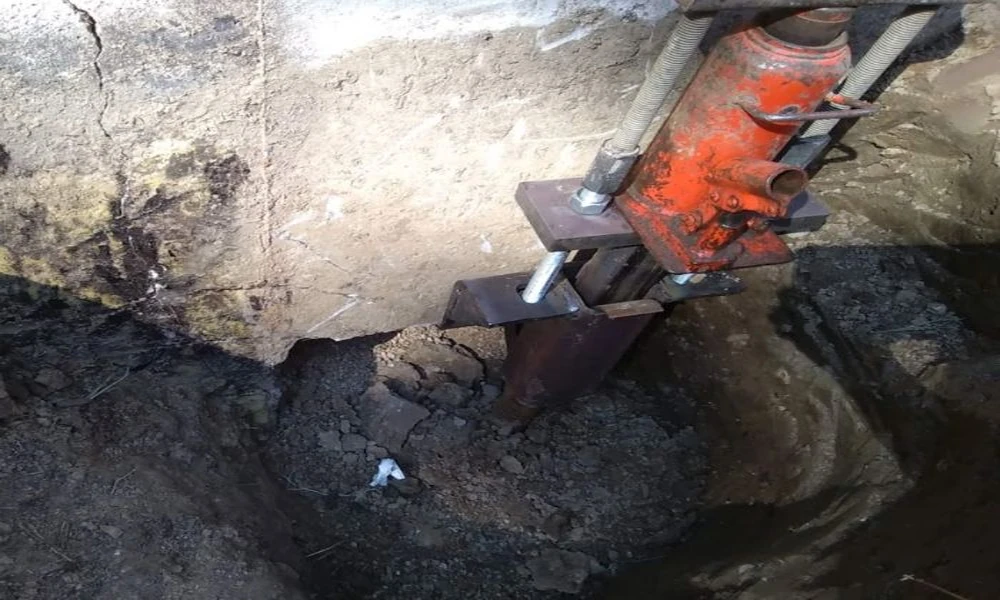
If settlement is confirmed, the repair may involve adding structural support beneath the affected section. The aim is to stabilize the area and transfer part of the building load to stronger support below.
The exact method depends on the foundation type, access, soil condition, and how far the movement has progressed.
The Wall Is Moving Sideways
Not every foundation problem moves downward.
A basement or foundation wall may bow inward when pressure builds outside. Horizontal cracking, a visible curve, or separation near corners may point toward lateral movement rather than settlement.
Wet soil, poor drainage, and repeated moisture changes may increase pressure against the wall, although the cause still needs to be evaluated rather than assumed.
Repair may involve bracing, reinforcement, anchoring, or another stabilization method suited to the wall condition.
This is where a cause-first approach matters. A wall under pressure needs a different repair path from a footing that has settled.
The Outer Foundation Looks Fine but the Floor Does Not
Sometimes the problem is under the middle of the house rather than along the perimeter.
In crawl space or pier-and-beam homes, weak posts, shifted piers, sagging beams, or damaged joists may create bouncy or uneven floors upstairs. The outside foundation wall may appear stable while the interior support system has changed.
An inspection may compare floor movement with beams, joists, posts, and bearing points below.
Foundation Repair Services in this situation may involve correcting support points, reinforcing framing, replacing damaged structural members, or restoring proper contact between beams and supports.
The repair follows the load path beneath the floor rather than treating the finished surface above.
Water Is Changing the Ground Around the Home
Water does not have to enter the basement to affect foundation conditions.
Poor grading, short downspouts, standing water, erosion, or plumbing leaks may change the soil around or beneath the structure. One area may stay saturated while another dries quickly, creating uneven support conditions.
Drainage work and structural repair are separate services, but they may be connected.
If water is contributing to soil movement, the structural problem may need stabilization while the drainage issue is corrected separately. Fixing one without understanding the other may leave part of the cause in place.
Turning the Evidence Into a Repair Plan
Once the cause is clearer, the repair order becomes easier to understand.
A contractor may first identify the direction and location of movement. Next comes stabilization of the affected structural area. If drainage or soil conditions are contributing, those may be addressed as part of the broader plan.
Structural cracks can then be repaired after movement is controlled. Cosmetic work such as drywall patching, trim adjustment, or flooring repair usually makes more sense afterward.
Foundation Repair Services work best when each step is tied to a specific failure point instead of applying the same fix across the entire home.
What to Watch After the Work
The repaired home now has a new reference point.
Take photos of old cracks, floor transitions, and areas that changed before the repair. Note how doors and windows operate. Watch drainage after heavy rain and check whether the same structural signs continue to change.
Old cosmetic damage may still be visible until separate finish work is completed, so focus on new movement rather than expecting every mark to disappear immediately.
Conclusion
Structural problems become easier to understand when the visible symptom is treated as evidence rather than the whole problem. A recurring crack, settling section, bowing wall, weak interior support, or changing soil condition may each call for a different repair path.
The better approach is to identify what moved, determine why it moved, stabilize the affected area, and complete surface repairs afterward.
If cracks, uneven floors, wall movement, or other structural changes are becoming more noticeable, contact Steadfast Foundation Repair Ashburn to discuss foundation evaluation, stabilization, and repair options for your home.
