


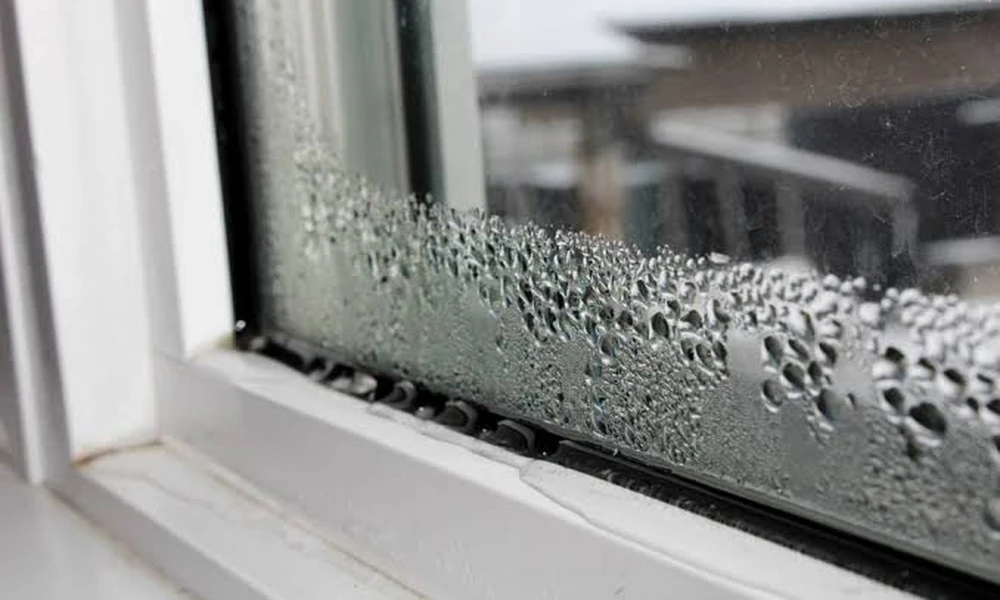
Water dripping from a commercial window doesn’t necessarily mean the glass needs replacing. The leak could come from worn seals, a damaged frame, or a failed connection between the window and the building. Finding where the moisture enters helps business owners avoid unnecessary replacements and prevent further damage to walls, flooring, and interior finishes.
Where Is the Water Actually Getting Through?
A wet windowsill doesn’t always point to the exact location of a leak. Rainwater can travel along framing channels, pass through loose joints, and appear several inches away from the original entry point. Commercial storefront systems have drainage paths designed to direct incidental moisture outside. If those channels become blocked or the frame develops gaps, water may find its way indoors instead.
Technicians usually begin by examining the window perimeter, glazing gaskets, frame joints, and surrounding wall connections. Water testing can help locate the source, but it needs to follow a controlled procedure. Spraying the entire window with a hose may force water into places it wouldn’t normally reach, making the results misleading. A systematic inspection helps separate glass-related problems from building envelope leaks.
Worn Gaskets and Sealant May Be All That Needs Fixing
Rubber gaskets hold glass securely against the frame and help limit water entry. Years of sunlight, temperature changes, and exposure to cleaning chemicals can cause these materials to shrink, harden, or lose their shape. Exterior sealant can also crack or separate from aluminum surfaces, leaving narrow openings for wind-driven rain. If the glass remains intact and the framing is sound, replacing damaged gaskets or applying compatible sealant may correct the leak without requiring commercial glass replacement.
Fog Between the Panes Points to a Different Problem
Condensation trapped inside a double-pane commercial window usually means the insulated glass unit has lost its airtight edge seal. Unlike moisture on the room-facing surface, this fog cannot be wiped away. Once the sealed space allows humid air inside, water droplets or mineral deposits can develop between the panes. The window may also lose some insulating performance as its original gas fill escapes.
Replacing exterior caulk won’t repair a failed insulated glass unit. The damaged assembly generally needs replacement, although the surrounding aluminum frame may remain usable. Contractors must identify the glass thickness, coating, spacer dimensions, and overall unit size to order a compatible replacement. Businesses searching for commercial glass replacement near me should distinguish between a leaking window frame and failed insulating glass because the two problems require different repairs.
What Happens If Both the Glass and Seals Are Damaged?
A cracked glass panel combined with deteriorated gaskets calls for more than a simple resealing job. Water can enter through damaged glazing components, while cracks may compromise the panel’s safety and performance. During commercial glass replacement in Athens AL, contractors need to address both the damaged glass and worn seals to prevent the same moisture problems from returning.
Repair work should also account for setting blocks, glazing stops, and drainage openings. Setting blocks support the glass at designated locations, preventing direct contact with the metal frame. Damaged gaskets or poorly positioned supports can interfere with proper glass installation. Contractors should replace worn components, verify drainage, and install the new panel according to the storefront system’s requirements. Otherwise, the window may continue leaking despite having brand-new glass.
Water Around the Window May Be Coming From the Wall
Commercial windows rely on more than glass and rubber seals to keep interiors dry. The joints connecting the frame to brick, concrete, or exterior wall panels also need proper weatherproofing. Failed perimeter sealant, damaged flashing, and gaps around structural connections can allow rainwater to travel behind the window assembly. These leaks may appear around the sill or lower corners even when the glass and glazing gaskets remain in good condition.
Clues such as peeling paint, damp drywall, or staining above the window can help identify moisture entering through the surrounding wall. Contractors may need to inspect concealed joints or coordinate with building envelope specialists before recommending repairs. Replacing a perfectly functional glass unit won’t solve water intrusion caused by defective flashing or wall construction.
Getting the Right Repair Without Replacing Everything
A proper diagnosis considers where moisture appears, which weather conditions trigger the leak, and whether the glass itself shows damage. Property owners can help by recording when water enters and photographing affected areas before they dry. These details give technicians useful information, especially when leaks occur only during heavy rain accompanied by strong winds.
Businesses needing commercial glass replacement in Athens AL can contact North Alabama Glass for commercial glazing, window glass repair, and replacement services. Their work with storefront glass systems makes them a relevant option for assessing damaged glazing and determining which components may require attention. Identifying whether the problem involves failed glass seals, worn gaskets, or surrounding framing helps property owners plan the appropriate repair without replacing more than necessary.
