


INTRODUCTION
The front yard is the appearance of your household. It’s the first thing people notice when they arrive, and it shows how well your home is cared for. A good front garden doesn’t need to be fancy or costly; it just needs intention, balance, and a welcoming feel.
MAKE THE ENTRANCE OBVIOUS AND INVITING
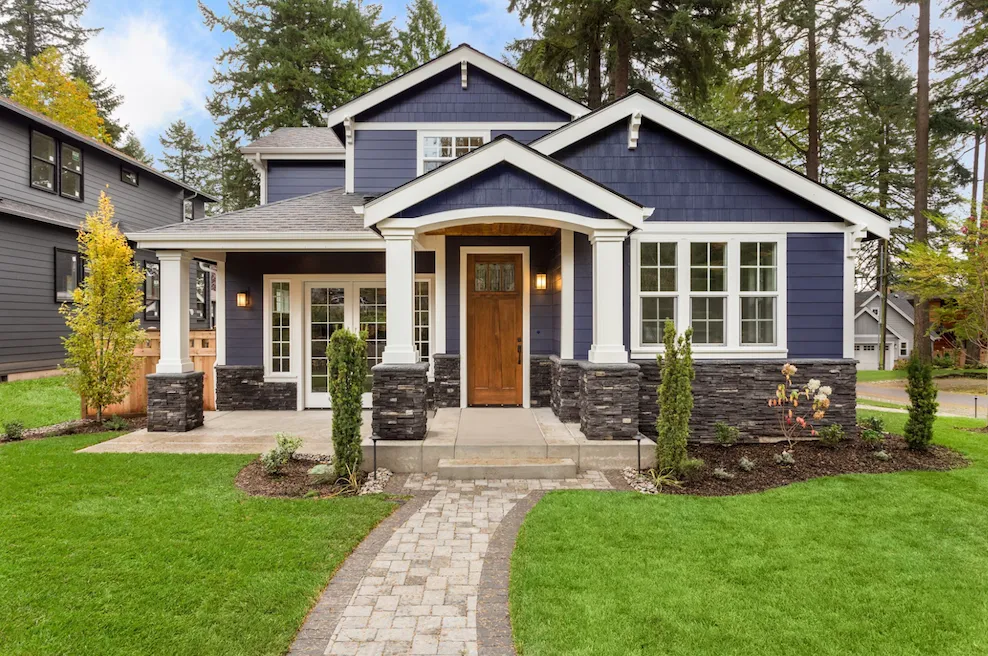
A solid front yard design starts with a clear focal point: the entrance. Visitors should easily see where the front door is. You can guide their eyes by framing the entry with containers, flowering shrubs, or features like trellises or arbors.
Pathways are equally important. A wide, stable walkway creates a sense of ease and safety, which is why thoughtful front yard landscaping tips often emphasize proper path design. It also slows people down so they can enjoy the garden. Materials like brick, stone, or textured concrete add character and blend well with plant beds. Gentle curves soften the approach and make the space feel relaxed and planned.
USE PLANTS TO SOFTEN THE HOUSE
Foundation plantings help link the home to the landscape. Instead of using one type of shrub in a line, mix different shapes, heights, and textures. This method feels more natural and visually appealing.
Think in layers: taller shrubs or small trees should go in the back, medium plants in the middle, and lower perennials or groundcovers at the edge. Evergreen plants provide structure year-round, while flowering plants and decorative foliage add seasonal colour and movement.
DESIGN FOR ALL SEASONS
A front yard should look nice in every season. Early spring bulbs bring life after winter; summer perennials add vibrancy; and fall foliage or seed heads keep the garden interesting late in the year. Even winter can be beautiful with bark texture, berries, and evergreen forms.
Choosing plants that bloom at different times makes sure the garden never feels empty or neglected. This seasonal approach also reduces the need to constantly replant or redesign.
KEEP MAINTENANCE IN MIND
Since the front yard is always visible, be realistic about upkeep. A smaller, well-kept garden looks better than a large space that’s hard to manage. Choosing hardy, low-maintenance plants helps keep the garden tidy without requiring constant care.
Plants that tolerate local weather conditions and need minimal pruning or watering are especially useful in front yards, where consistency is important.
MATCH THE GARDEN TO THE HOME’S STYLE
The best front yards feel like a natural extension of the house. Traditional homes often suit symmetrical layouts and classic plant choices, while modern homes look better with clean lines and simple plant selections. Cottage-style houses can handle more abundant, informal plantings, while craftsman homes shine with quality materials and careful details.
CONCLUSION
A front yard garden isn’t just about curb appeal; it’s about creating a space that invites everyone in. With clear pathways, thoughtful plant choices, and a design that honors the home’s character, your front yard can make a lasting impression without demanding constant effort.
