


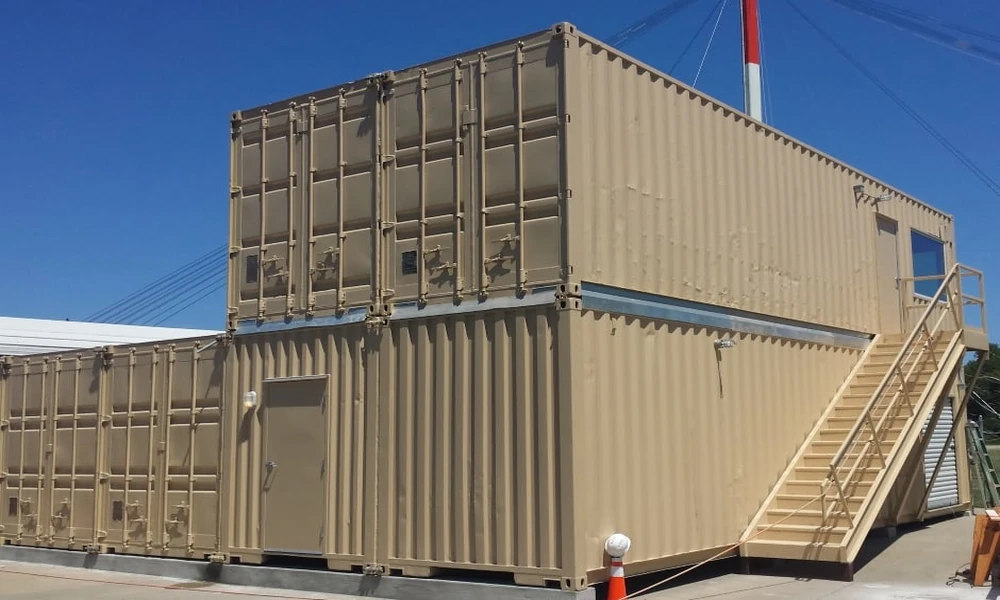
If you plan to buy a used container, you already know the basics. It is a steel box, it keeps weather out, and it costs less than a new one. What you may not know is where to look first when you stand in front of one. That first look tells you most of what you need to know.
I wrote this guide to give you a clear order of checks. The list follows how steel containers wear over time and what a buyer needs a unit to do: stay dry, stay secure, and hold up under load. It also reflects what MoCan Containers describes as their own process for inspecting used units. If you are comparing used shipping containers for sale in Montana, this guide will help you judge each one with confidence and skip the ones that do not fit.
Start With the Big Picture
Before you touch anything, walk all the way around the container. Stand back about ten feet and look at the shape.
The box should sit square and level. If one corner looks low or the sides lean, the frame may carry damage. A frame problem is the hardest one to fix, so I check it first.
Look at the four corner posts and the top and bottom rails. These carry the weight. Small dents are fine. Bent or cracked steel in these parts is a reason to walk away.
Check the Roof
The roof takes the most weather and the least attention. Ask the seller for a ladder or look at it from a raised spot.
Look for these signs:
- Water pooling in low spots
- Deep dents that hold water
- Rust that has eaten through the steel
- Patches or seams that look loose
A shallow dent on top is a cosmetic issue. A dent that holds a puddle will rust faster and may leak, so give it a close look.
Look at the Floor
Step inside and check the floor next. Most containers have a wood floor, and wood tells you how the unit has been treated.
Walk the full length and press down with your feet. The floor should feel firm. Soft spots, deep stains, or cracked boards point to water damage.
Then check the base of each wall where it meets the floor. Rust at that joint can mean water has stood there.
Do the Dark Test
This test takes one minute and costs nothing. Go inside, close both doors, and wait while your eyes adjust.
Any light you see is a gap where water and air can enter. Pin-sized dots of light in the walls or roof mean small holes. Light around the doors means the seals need work.
A used container should be wind and watertight. MoCan Containers states that they inspect each used unit to confirm this, but I still suggest you do the dark test yourself.
Test the Doors and Locks
Doors are the part you will use most, so check them with care.
1. Open and close each door a few times. They should swing without a fight.
2. Look at the rubber seals around the edges. Cracked or missing seals let in water.
3. Work each locking bar. It should turn and seat in its holder.
4. Check the hinges for rust or bending.
5. Lock the unit with your own lock to confirm it fits and holds.
A door that does not close flat points to a frame problem, which brings us back to the first check.
Tell Surface Rust From Real Damage
Rust worries many buyers, and it should not scare you. Surface rust is common on used containers. It sits on the paint layer and does not change how the unit performs.
Real damage looks different. Press on rusted areas with a screwdriver handle. If the steel stays solid, you have surface rust. If it flakes, bends, or shows a hole, the steel has worn through.
The same rule applies to dents and faded paint. They change how the container looks, not how it works. You can repaint a used container to improve its look and extend its life.
Smell the Inside
Take a breath when you step in. A musty smell means moisture. A chemical smell can mean past cargo left residue.
If you plan to store feed, seed, tools, or household goods, you want a clean, dry interior.
Confirm the Size and the Space
Pick the size before you pick the unit. A 20-foot container fits tight spots like driveways and small job sites. Its inside length is 19 feet 4 inches. A 40-foot container gives you twice the length, with an inside length of 39 feet 5 inches, and it often costs less than renting several small units.
Plan your delivery space as well. A 20-foot unit needs about 70 feet of straight, clear space. A 40-foot unit needs about 100 feet, plus room for the truck and trailer to turn.
Why I Recommend MoCan Containers
You can do every check above in person, and that is the main reason I point buyers to MoCan Containers. They let you walk the yard, look over each container, and pick your exact unit. The one you choose is the one they deliver. You do not buy from a photo.
Here is what else stands out about them:
- They are a local, family-owned business with yards in Billings and Bozeman.
- They keep the largest inventory of shipping containers within a 300-mile radius.
- They stock used containers in 20-foot and 40-foot sizes.
- They inspect each used unit to confirm it is wind and watertight, lockable, and structurally sound.
- They deliver across Montana with tilt-bed trailers that place the container where you want it.
- They offer custom modifications if you plan a workshop, studio, or small shop.
If you are not ready to buy, they also rent both sizes, with rentals starting at $150 per month for a 20-foot unit and $190 per month for a 40-foot unit.
Plan Your Visit
The Billings yard is at 1721 Old Hardin Rd, Billings, MT 59101. You can stop by during open hours or call (406) 661-1226.
The Bozeman yard is at 39 Jays Way in Gallatin Gateway, MT 59730. Call (406) 661-1684 to schedule a visit before you drive out.
Both yards are open Monday through Thursday from 8:00 to 5:00. Friday through Sunday visits are by appointment. Pricing depends on size, condition, and supply, so call for a quote and an inventory check.
Take This List With You
Print these steps or save them on your phone. Check the frame, the roof, the floor, the dark test, the doors, the rust, and the smell, in that order. A unit that passes each step will serve you for many years, and you will know why you chose it.
