


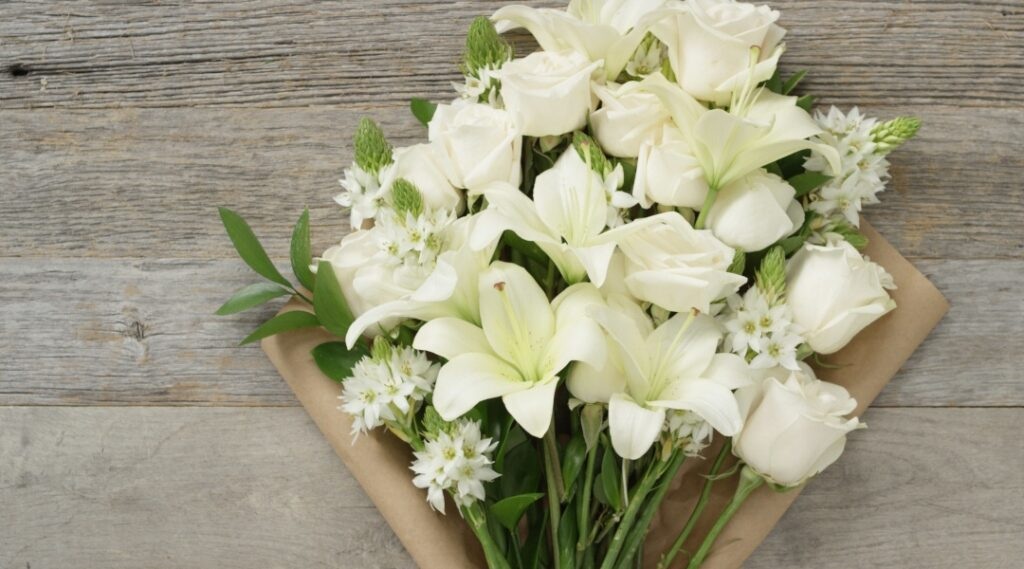
Flowers have long been associated with funerals because they symbolize love, respect, and remembrance. They provide comfort to grieving families and convey emotions that words sometimes cannot. The presence of flowers helps create a serene environment and honors the memory of the deceased.
What are the most traditional flowers used for funerals?
Several flowers are traditionally used for funerals due to their symbolism and availability. Lilies, chrysanthemums, roses, carnations, and orchids are among the most common. Each flower carries its own meaning, allowing friends and family to express sentiments such as sympathy, peace, and eternal love. Traditional funeral flowers like lilies, roses, and chrysanthemums continue to be the most commonly used across the globe.
Why are lilies popular at funerals?
Lilies are perhaps the most iconic funeral flowers. They symbolize the restored innocence of the soul of the deceased. White lilies, in particular, are associated with purity and peace, making them a fitting choice for funeral arrangements and sympathy bouquets.
What is the significance of chrysanthemums in funeral arrangements?
Chrysanthemums are widely used in many cultures to honor the dead. In some countries, they are exclusively associated with funerals and represent grief, respect, and honor. Their long-lasting nature also symbolizes the enduring memory of the deceased.
How are roses used to express emotions at funerals?
Roses are versatile and convey different emotions depending on their color. White roses signify purity and reverence, red roses express love and respect, and yellow roses can indicate friendship and remembrance. Their classic beauty and symbolism make them a popular choice for wreaths, sprays, and bouquets. Casket flowers usually include roses, lilies, carnations and chrysanthemums, arranged low and full to sit neatly across the casket.
Why are carnations commonly chosen for funeral arrangements?
Carnations are often selected for their long-lasting freshness and symbolic meaning. White carnations represent pure love and innocence, red carnations indicate admiration, and pink carnations express remembrance. Their affordability and durability also make them ideal for large arrangements and standing sprays.
What role do orchids play in funeral flower arrangements?
Orchids, particularly white and pink varieties, symbolize eternal love, beauty, and strength. They are often given as potted plants or used in elegant floral arrangements. Orchids convey deep sympathy and can be kept as a lasting reminder of the deceased.
Are there other flowers that are sometimes used at funerals?
Yes, in addition to lilies, chrysanthemums, roses, carnations, and orchids, other flowers like gladiolus, tulips, and hydrangeas are sometimes included. Gladiolus symbolizes strength and integrity, tulips convey comfort and grace, and hydrangeas represent heartfelt emotions. The choice often depends on personal preference, cultural traditions, or the favorite flowers of the deceased.
How are funeral flowers typically arranged?
Funeral flowers can be arranged in several ways, including wreaths, sprays, casket sprays, and sympathy bouquets. Wreaths symbolize eternal life, while sprays are used to express respect and remembrance. Sympathy bouquets are often delivered to the family’s home or the funeral service to show condolences and support.
Can personal touches be added to funeral flowers?
Absolutely. Personalizing funeral flowers can make them more meaningful. This could include incorporating the deceased’s favorite flowers or colors, adding a small keepsake, or including a thoughtful message on a ribbon or card. Personal touches help express unique emotions and honor the individual’s life.
How should someone choose flowers for a funeral?
Choosing funeral flowers involves considering the preferences of the deceased and their family, cultural traditions, and the message you want to convey. Simple arrangements can express solemnity and respect, while larger or more elaborate designs may convey admiration and celebration of life. Consulting with a florist can also help ensure the arrangement is appropriate for the service.
Conclusion
Funeral flowers play an important role in honoring the deceased and comforting grieving families. Lilies, chrysanthemums, roses, carnations, and orchids are the most commonly used due to their symbolism and lasting beauty. Choosing the right flowers allows individuals to express emotions, celebrate a life, and provide a meaningful tribute that supports the grieving process.
