


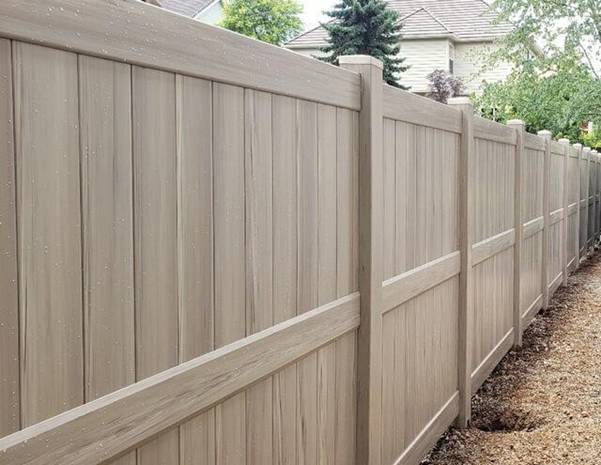
The weather does not wait for the choice of fencing material until the owner installs it. Vinyl fences fade away, while traditional wood fences rot, warp, and need constant upkeep. These problems are very prominent and can cost the repair and replacement services that take up your budget every year.
In this post, we explore the reasons concrete fencing is the top choice for resisting extreme weather. We will evaluate concrete, wood, and vinyl fencing on the most critical performance metrics, discussing what concrete does best in harsh weather and whether concrete fencing is what you need on your property.
Concrete Fences vs Wood vs Vinyl
Here is a quick comparison between the three to understand which one is more suitable for your requirements:
Why Concrete Fences Are Better Than Wood and Vinyl In Extreme Weather Conditions?
-
Superior Wind Resistance
Due to their construction and serious weight, concrete walls are brilliantly wind-resistant, tall, and durable. The National Weather Service notes that winds greater than 58 mph can cause severe damage to wood structures, but concrete fences, when properly constructed, will survive hurricane winds without structural failure.
-
Temperature Stability
Concrete stands out among vinyl, which becomes brittle when frozen, and wood, which shrinks or expands with temperature fluctuation; concrete is stable in structure regardless of temperature. Due to this stability, it does not crack, warp, or gap, which can render a fence ineffective.
-
Moisture and Humidity Resistance
Concrete fences are also impervious to moisture, which can spread to rot wood and corrode metal. They do not soak up water like wood, which means no more expansion, bending, or mould growth, problems that wooden fences suffer in humid areas.
-
Fire Resistance Properties
Concrete has an exceptional level of fire resistance and is an excellent choice for fire-prone areas. Data up to October 2023 shows that concrete can bear temperatures as high as 2000°F without giving in to structural failure, while wood fences are just fuel waiting to spread a fire. Even worse, vinyl fences melt and give off toxic fumes.
Who Should Opt For Concrete Fencing?
Those prone to hurricanes, extreme temperature shifts, or high humidity should consider concrete fencing. This long-lasting solution requires little maintenance, so those looking for durability and low hassle are rewarded here, too.
Concrete fencing offers an incredible level of protection, especially for residential settings near fire-prone areas, commercial properties, or industrial facilities. Those decades of dependable service translate into lower maintenance costs and better security, making the investment worthwhile.
For property owners looking to upgrade to concrete fencing, Petrified Forest has expert installation services and popular concrete fencing solutions. Their knowledgeable staff will install it correctly so that it can withstand the weather correctly and last for years, giving peace of mind for years to come.
Final Words
So, when it comes to extreme weather, concrete is unrivaled compared to wood/vinyl. With benefits such as wind resistance, temperature stability, moisture protection, and fire resistance, concrete is the wise choice for your long-term property protection solution.
Although the upfront price can be higher, concrete fencing provides far greater value in the long run, with minimal maintenance and decades of high-value performance. When choosing materials for your fencing, think about the climate around where you live and what you want to achieve in the long run.
