


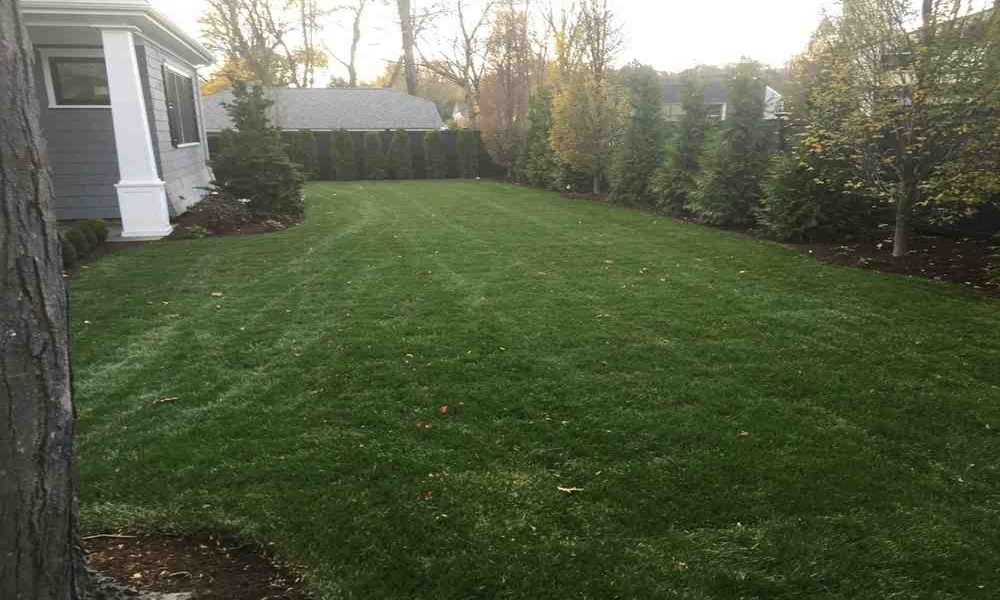
Core Principles of Outdoor Environments and Landscaping
Outdoor environments are far more than mere extensions of our homes; they are dynamic canvases that reflect our lifestyles and offer invaluable sanctuaries. We recognize that thoughtful landscaping and innovative surfacing can profoundly enhance daily living, boost property value, and foster overall well-being. This comprehensive guide will illuminate the essential elements of transforming these vital spaces.
We will explore core landscape design principles, from creating unity and balance to understanding visual interest. Our discussion will cover how to plan a foundation for your residential property, taking into account site evaluation and family needs. We’ll also delve into the significant benefits of outdoor play for children and how strategic elements, such as Owner-operated outdoor hardscaping, can elevate both functionality and aesthetic appeal.
Furthermore, we will examine plant selection, sustainable practices, luxury features, and the nuances of both residential and commercial landscape maintenance. Join us as we uncover how to craft outdoor environments that are beautiful, functional, and enduring.
Effective landscape design, much like any art form, relies on a set of fundamental principles to create spaces that are not only aesthetically pleasing but also functional and harmonious. Unlike a static painting, the “canvas” of outdoor design is ever-changing, evolving with plant growth, environmental conditions, and the needs of those who use the space. Our approach to creating exceptional outdoor environments is rooted in these core principles, ensuring every design is thoughtful and enduring.
At the heart of successful landscape design is unity, which ensures that all elements within the space relate to one another, creating a cohesive, integrated whole. This can be achieved through repetition of forms, textures, or colors, and by ensuring seamless interconnection between different areas. Simplicity, by eliminating non-essential elements, and dominance, through the strategic placement of focal points, also contribute significantly to a unified design.
Balance is another critical principle that provides a sense of equilibrium. This can be either symmetrical, where elements are mirrored on either side of a central axis, often lending a formal feel, or asymmetrical, which uses unequal elements that still achieve visual equilibrium, creating a more natural and informal atmosphere. Asymmetrical balance often requires a more intuitive understanding of how different components contribute to the overall visual weight.
Interest, or the creation of focal points, draws the eye and provides visual anchors within the landscape. These could be a striking plant, a unique water feature, or an outdoor piece of art. The interplay of visual weight-the perceived heaviness of an object based on its mass, contrast, form, color, and texture-helps guide where to place these focal points and how they interact with surrounding elements.
Proportion refers to the relationship of sizes between various elements and the overall space, as well as to the human scale. Designing with a human scale in mind ensures that outdoor spaces feel comfortable and inviting, not overwhelming or diminutive. Repetition of elements, when used judiciously, creates rhythm and flow without becoming monotonous, while gradation and alternation can introduce variety and dynamic movement.
The elements of design-line, form, texture, and color-are the building blocks upon which these principles are applied. Lines, whether straight (suggesting formality and direction) or curved (evoking naturalness and relaxation), define spaces and guide movement. Form, the three-dimensional shape of plants and structures, provides the enduring visual organization of the landscape. Texture, from the coarse bark of a tree to the fine blades of grass, influences how light is perceived and how spaces feel, with fine textures making areas seem larger and coarse textures making them feel more intimate. Finally, color theory, utilizing monochromatic, analogous, or complementary schemes, adds vibrancy and emotional resonance to the design, though it is often the most temporary element.
Formal Design Elements Informal Design Elements Symmetrical balance Asymmetrical balance Straight lines, geometric forms Curved lines, naturalistic forms Clipped hedges, structured plantings Free-flowing beds, varied plant heights Orderly rows, clear patterns Irregular groupings, organic shapes Limited color palette, high contrast Diverse color palette, subtle transitions By meticulously applying these principles and elements, we craft outdoor environments that are not only beautiful but also deeply resonant with their surroundings and the individuals who inhabit them.
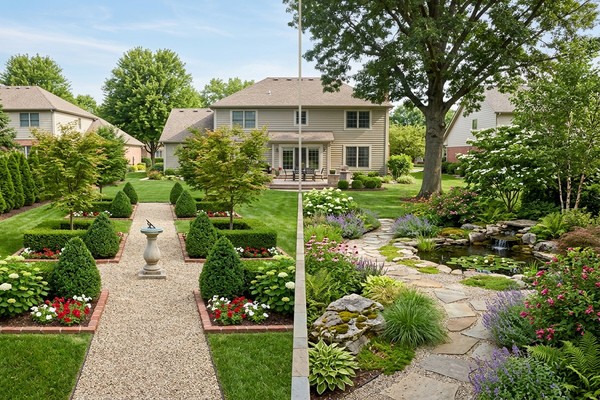
Planning Your Residential Outdoor Environments and Landscaping
The journey to a truly exceptional residential outdoor environment begins long before the first plant is placed or the first stone is laid. It starts with meticulous planning, a step we consider the most crucial aspect of the entire process. A well-conceived plan ensures that the final landscape is a harmonious extension of your home, tailored to your lifestyle, and built to last.
The first step is to develop a base plan for your property. This is essentially a bird’s-eye view, drawn to scale, that maps out all existing features. It includes property lines, the footprint of your home, driveways, walkways, utility lines, and any significant existing trees or structures. For any excavation or digging work, it’s paramount to prioritize safety. In many regions, like Georgia, state law requires contacting a utility notification service, such as www.Georgia811.com, at least 3 business days before any mechanized digging. This free service helps mark underground utility lines, preventing costly damage and ensuring safety. Even for non-mechanized projects like planting trees or installing fences, we strongly encourage calling 811.
In line with the base plan, a comprehensive site evaluation is essential. This involves understanding the unique characteristics of your property. We assess the architectural style of your home to ensure the landscape complements its character. Climate plays a significant role, dictating plant choices and irrigation needs. Soil conditions are critical; submitting soil samples for analysis can reveal nutrient deficiencies or pH imbalances, guiding appropriate amendments. Creating a light map of your property helps identify sun and shade patterns throughout the day and across seasons, informing plant placement. We also note microclimates-small areas with different temperature or moisture levels-and evaluate existing plants, identifying any invasive species to be removed and desirable ones to be preserved. Proper drainage slopes, typically 1-10% away from the house foundation, are crucial to protect your home from water damage.
Next, we identify your family’s needs and desired activities. This involves a collaborative process to understand your lifestyle, how you envision using your outdoor space, and what functions it needs to serve. Do you need a safe play area for children, a quiet retreat for relaxation, an entertainment space for guests, or an edible garden?
Based on these needs, we then identify and design distinct functional zones or use areas within the residential property:
- Public/Front Yard: This area creates the first impression of your home. Design here focuses on curb appeal, welcoming pathways, and framing the house with appropriate plantings. We consider how the landscape integrates with the neighborhood’s character, ensuring a cohesive, inviting street presence.
- Service Area: This zone is dedicated to utilitarian functions, such as trash storage, utility access, and perhaps a compost bin or garden shed. The design often involves screening these elements from public view while ensuring easy access.
- Private/Living Area: This is where the outdoor environment truly becomes an extension of your indoor living space. It might include patios, decks, outdoor kitchens, play areas, or quiet seating nooks. The design here prioritizes comfort, privacy, and the specific activities identified in your family’s needs assessment.
Integrating these functional zones with thoughtful hardscaping elements ensures durability and long-term enjoyment. By meticulously planning each stage, we lay a strong foundation for creating outdoor environments that are both beautiful and perfectly suited to your life.
The Developmental Impact of Outdoor Play Spaces
Outdoor environments are not just spaces for recreation; they are vital arenas for development, particularly for children. The benefits of outdoor play for children, families, and even property value are profound, extending far beyond simple physical activity. We understand that thoughtfully designed outdoor play spaces can significantly contribute to a child’s cognitive, physical, and emotional well-being, acting as a “third teacher” that fosters inquiry and curiosity.
For children, regular opportunities to participate in outdoor activities are crucial. Experts recommend at least 30 minutes of outdoor play for every 3-hour block in a program setting. This isn’t just about burning energy; it’s about holistic development.
One of the most compelling insights into the benefits of outdoor environments comes from studies on cognitive health.
Beyond cognitive benefits, outdoor play is fundamental to physical health and the development of motor skills. Children can engage in vigorous activities, run, jump, climb, and develop gross motor skills that are often restricted indoors. The freedom to move, make loud noises, and engage in messy projects in an outdoor setting is invaluable.
Outdoor spaces also foster creative thinking and child-led exploration. When provided with “loose parts”-such as recycled boxes, crates, PVC pipes, or natural elements like sticks and stones-children can construct, imagine, and shape their own play, developing problem-solving skills and a sense of competence. This open-ended play is crucial for nurturing creativity and supporting developmental milestones.
Designing these spaces requires careful consideration of safety inspections and accessible equipment. Playgrounds should be regularly inspected for hazards, and equipment must be age-appropriate, safe, and accessible to children of all abilities. This includes providing adequate space, shade, water, and accessible storage. The choice of surfacing is also critical for safety, with options such as sustainable outdoor surfacing offering environmentally friendly, impact-absorbing solutions that minimize injury risk.
Natural elements in play spaces encourage sensory play and deepen a connection to nature. From feeling different textures underfoot to observing insects and plants, children learn about the natural world firsthand. This integration of natural elements, combined with designated areas for various types of play-quiet, physical, manipulative, dramatic-creates a rich, stimulating environment.
Investing in well-designed outdoor play spaces is an investment in the next generation’s health, happiness, and intellectual growth. Such environments not only enhance the lives of children and families but also positively impact property values by offering a desirable amenity that supports a healthy, active lifestyle.
Strategic Plant Selection and Site Evaluation
The success and sustainability of any outdoor environment hinge significantly on strategic plant selection. This process is far more nuanced than simply choosing what looks attractive; it involves a deep understanding of horticulture and the specific conditions of your site. Our guiding principle is always the “right plant, right place” to ensure plant health, longevity, and minimal maintenance.
Before any plant is chosen, a thorough site evaluation is paramount. This includes:
- Soil Conditions: We always recommend submitting soil samples for analysis. This provides crucial information on soil type, pH, and nutrient levels, allowing us to select plants that will thrive in existing conditions or recommend appropriate amendments.
- Light Maps: Understanding the sun and shade patterns across your property throughout the day and across seasons is vital. A detailed light map ensures that sun-loving plants receive adequate light and shade-loving plants are protected from harsh sun.
- Climate Zones: The USDA Plant Hardiness Zone Map is an indispensable tool that indicates which perennial plants are likely to survive winter temperatures in a specific location. This helps narrow down suitable species.
- Mature Size: A common mistake is underestimating a plant’s mature size. We carefully select plants whose mature dimensions will fit the space without overcrowding structures, walkways, or other plants, reducing future pruning needs and potential problems.

Beyond these fundamental site factors, we prioritize ecological considerations. The integration of native plants is a cornerstone of sustainable design. Native species are inherently adapted to local soil, climate, and pest conditions, requiring less water, fertilizer, and pesticides. They also play a crucial role in supporting local ecosystems, providing food and habitat for native pollinators and other wildlife. Designing pollinator-friendly gardens with native perennials, creating bee lawns, or establishing prairie gardens contributes significantly to biodiversity and ecological health.
Conversely, we meticulously identify and prevent the introduction of invasive species that can outcompete native flora and disrupt local ecosystems. Our horticultural knowledge ensures that we select plants that are not only beautiful but also ecologically responsible.
Seasonal interest is another key aspect of plant selection. We aim for year-round appeal by choosing plants with varied bloom times, interesting foliage textures and colors, attractive bark, or persistent fruit. This ensures that the landscape remains dynamic and engaging throughout the year.
Strategic plant selection, informed by a detailed site evaluation and a commitment to ecological principles, leads to healthier plants, reduced maintenance, and a vibrant, resilient outdoor environment. This careful approach is a hallmark of Transformed outdoor landscaping, where expertise in plant selection yields stunning, sustainable results.
Enhancing Functionality with Hardscape and Luxury Features
Hardscape elements are the backbone of any functional and aesthetically pleasing outdoor environment, providing structure, defining spaces, and enhancing usability. They are the durable, non-living components that ground the softer, living elements of the landscape. Beyond basic functionality, integrating luxury features can transform an outdoor space into a bespoke oasis for relaxation, entertainment, and elevated living.
Functional Hardscape Elements:
- Driveways and Walkways: These essential features guide movement and provide access. Materials such as pavers, asphalt, and natural stone offer a range of aesthetic and durability options. Proper width (e.g., 10 feet for driveways, 4-5 feet for walkways) and appropriate slopes are crucial for safety and drainage.
- Paver Patios: As central gathering spaces, paver patios are a popular choice due to their durability, low maintenance, and resistance to cracking or chipping. They come in a vast array of sizes, shapes, patterns, and colors, allowing for highly customized designs.
- Retaining Walls: Beyond their functional role in managing sloping terrain and preventing erosion, retaining walls can be significant aesthetic features. They create terraced gardens, define planting beds, and add architectural interest, often increasing property value.
Luxury Features and Outdoor Living:
The modern outdoor living trend emphasizes extending the comforts and amenities of indoor spaces into the open air. This is where luxury features truly shine:
- Outdoor Kitchens: Equipped with grills, refrigerators, sinks, and even pizza ovens, outdoor kitchens enable seamless al fresco entertaining and meal preparation. They become a focal point for social gatherings, transforming a simple patio into a culinary destination.
- Fire Pits and Fireplaces: These features provide warmth, light, and a captivating ambiance, encouraging year-round use of outdoor spaces. Whether rustic fire pits for casual gatherings or elaborate outdoor fireplaces for a grand statement, they create inviting focal points.
- Luxury Pools and Spas: Tailored to reflect personal style and home architecture, these features offer both recreational opportunities and serene retreats. Integrated with thoughtful landscaping, they become central to a lifestyle focused on relaxation and entertainment.
- Water Features: From subtle mini pods and wall fountains to dramatic waterfalls and serene bubblers, water features introduce soothing sounds and dynamic visual interest. They can create a tranquil atmosphere or a lively focal point.
- Other Structures: Pergolas, pavilions, and gazebos provide shade, define outdoor “rooms,” and add architectural elegance. Seat walls, often integrated into patios or retaining walls, offer convenient, built-in seating.
To truly enhance the evening ambiance and ensure safety, outdoor lighting is indispensable. Strategic lighting highlights architectural features, illuminates pathways, and creates a magical glow that extends the usability of your outdoor environment into the night.
While specific pricing varies widely based on materials, complexity, and regional factors, projects incorporating these hardscape and luxury features can range from a few thousand dollars for a basic fire pit to tens of thousands for comprehensive outdoor kitchens or elaborate pool designs. For instance, internet data suggests average costs for outdoor kitchens can range from $3,000 to $45,000+, depending on features and finishes. It’s important to note that these are general estimates, and actual costs will depend on individual project specifications. The investment, however, often yields significant returns in terms of lifestyle enhancement and property value.
Sustainable Practices for Modern Outdoor Environments and Landscaping
Creating beautiful outdoor environments goes hand in hand with a responsibility to protect our planet. Sustainable landscaping is an approach that minimizes environmental impact, conserves resources, and supports ecological health, all while creating functional and visually appealing spaces. We believe that environmentally conscious design is not just a trend, but a necessity for the future.
A cornerstone of sustainable landscaping is water conservation. This begins with smart choices in plant selection, prioritizing drought-tolerant and native species that require less supplemental irrigation once established. Smart irrigation systems take this a step further by using weather sensors, soil moisture monitors, and programming that adjusts watering schedules based on real-time conditions, significantly reducing water waste. Beyond irrigation, incorporating rain gardens is an excellent way to manage stormwater runoff. These shallow depressions planted with water-loving native species capture and filter rainwater from impervious surfaces, preventing pollutants from entering waterways and recharging groundwater.
Low-maintenance design is inherently sustainable. By implementing the “right plant, right place” philosophy, we reduce the need for intensive care, including excessive watering, fertilizing, and pesticide use. Native plants, adapted to local conditions, are naturally more resistant to regional pests and diseases, further lessening the reliance on chemical treatments. Mulching garden beds is another simple yet effective practice that suppresses weeds, retains soil moisture, and moderates soil temperature, thereby reducing maintenance needs.
Pollinator support is a critical aspect of ecological sustainability. Designing landscapes that provide food (nectar and pollen) and habitat for bees, butterflies, and other beneficial insects helps maintain biodiversity and supports agricultural ecosystems. This can involve planting diverse native flowering plants, establishing bee lawns (lawns mixed with low-growing, pollinator-friendly flowers), or creating prairie gardens with native grasses and wildflowers.
The overarching framework for our sustainable designs often aligns with the “5 Considerations of Sustainable Landscape Design”:
- Functional: The landscape effectively supports desired activities.
- Maintenance: Minimizes ongoing labor, water, and chemical inputs.
- Environmentally Sound: Protects and enhances natural resources, supporting biodiversity.
- Cost-Effective: Achieves goals within budget and provides long-term value.
- Visual Appeal: Creates an attractive and harmonious aesthetic.
By embracing these principles, we create outdoor environments that are not only beautiful and enjoyable but also resilient and ecologically responsible, and that contribute positively to the health of our local ecosystems. From native grasses that require less water and mowing to comprehensive stormwater management solutions, sustainable practices ensure our landscapes thrive for generations.
Commercial vs. Residential Maintenance and Safety
While the fundamental principles of good landscape design apply across the board, the execution and ongoing maintenance of commercial versus residential outdoor environments present distinct challenges and priorities. Understanding these differences is key to ensuring year-round appeal, functionality, and safety for both property types.
For commercial properties, the landscape serves as the public face of a business or institution. The primary objectives often include creating a positive first impression, enhancing brand image, ensuring public safety, and managing risk. This often translates to larger-scale designs, more formalized aesthetics, and a greater emphasis on year-round appeal, even in challenging climates. For over 40 years, Outdoor Environments has provided commercial landscaping services, demonstrating the specialized expertise required in this sector.
Commercial maintenance programs are typically comprehensive and proactive, designed to maintain impeccable standards. This includes:
- Weekly mowing, trimming, and edging to keep turf pristine.
- Precision pruning for tree health, aesthetics, and safety, especially near buildings and walkways.
- Irrigation system inspections and repairs to ensure efficient water use and plant health.
- Seasonal displays and custom outdoor lighting to enhance curb appeal and create inviting atmospheres, particularly during holidays or special events.
- Risk management is paramount, especially regarding snow removal and ice management in colder climates. This involves strategic plowing, de-icing, and snow relocation to ensure safe access for employees and customers and minimize liability.
Residential landscapes, on the other hand, are typically designed with personal enjoyment, family needs, and property value as top priorities. While curb appeal is important, the focus shifts to creating private living areas, play spaces, and gardens that reflect the homeowner’s individual style. Maintenance can range from DIY efforts to professional services, depending on the homeowner’s preference and the complexity of the landscape.
Despite their differences, safety and accessibility are universal concerns.
- Utility Marking: Before any digging on either commercial or residential properties, contacting a service like Georgia 811 (as mentioned earlier) is a critical safety measure to prevent damage to underground utilities. This is a legal requirement for mechanized digging and a wise precaution for all excavation.
- Accessibility (ADA Compliance): Commercial properties must comply with ADA standards, including ramps, clear pathways, and accessible features for all visitors. In residential settings, accessibility might involve designing for aging in place or accommodating specific family needs.
- Clear Zones and Sight Lines: Especially important in commercial areas and along roadways, maintaining clear zones free of obstructions ensures visibility for drivers and pedestrians, reducing accident risks.
Common mistakes in landscaping, whether residential or commercial, often stem from poor planning, neglecting mature plant size, improper drainage, or inconsistent maintenance. These can lead to overgrown plants, water damage, pest issues, and ultimately, a landscape that detracts rather than enhances.
Professional landscape services offer proactive solutions, anticipating issues before they become problems and ensuring that outdoor environments remain beautiful, safe, and functional year-round. This expertise, whether for a sprawling commercial campus or a cozy backyard, ensures customer satisfaction and preserves the long-term value of the investment.
