


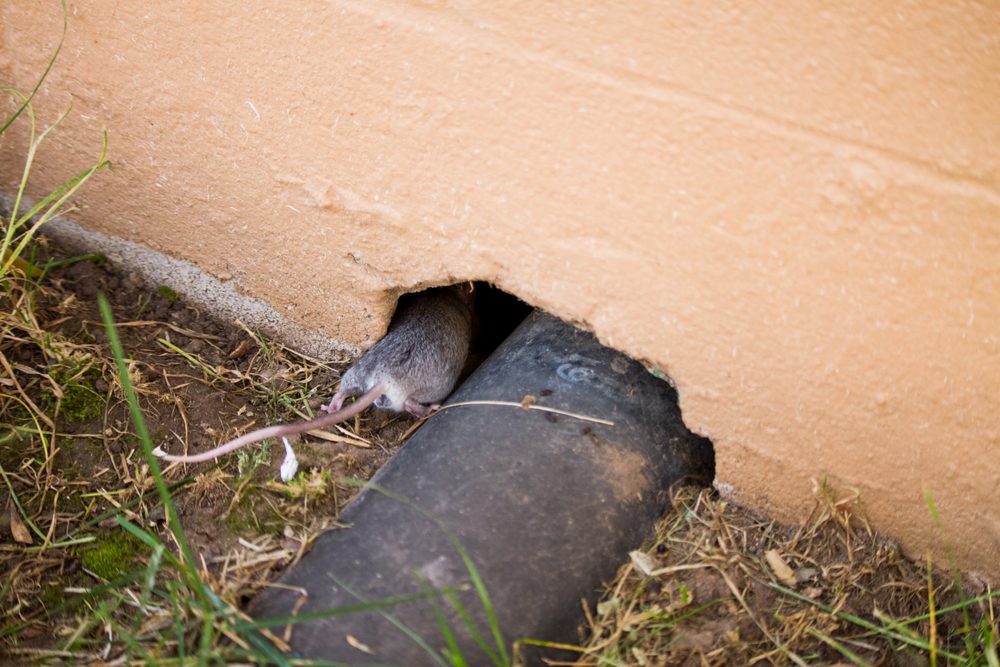
The cold weather in Wheat Ridge gives rats a reason to start looking for a warm place to call home. Unfortunately, they usually target houses, garages, and sheds. Rats are unpleasant to have around and can cause serious property damage. Also, they can bring health risks with them. Thankfully, there are safe and effective ways to deal with rats during the fall and winter months. Experts at saelapest.com can help you eliminate a rat infestation and prevent one from happening again.
Why Rats Are a Bigger Problem in Fall and Winter
Food and shelter outside become harder to find when the temperatures drop. Rats know that houses offer warmth, food, and safety from predators. They can sneak into your home through the tiniest cracks and start building nests inside your walls, attic, or basement. The chilly winters and occasional snowstorms in Wheat Ridge motivate these rodents to move indoors. This is the reason why fall and early winter are critical times to take action.
Signs You Might Have Rats
You need to know if you have a rat problem before you can fix it. Here are a few common signs you have a rat issue:
- Droppings. These dark, pellet-shaped droppings are usually found near food, under sinks, or in hidden areas.
- Gnaw marks. Rats love to chew on wires, wood, and even plastic. This makes gnaw marks visible when you have a rat issue.
- Scratching noises. Rats can make scratching noises as they move around in the walls or attic, especially at night.
- Grease marks. Rats often leave greasy smudges along walls or baseboards.
- Strange smells. A strong, musky odor can be a sign of a rat nest nearby.
Safe and Humane Traps
There are many types of traps available. However, some of them may not be safe for homes with kids or pets. Common traps for rats include:
- Snap traps. Traditional wooden snap traps kill rats instantly and do not involve poisons. Place them out of reach of children and pets.
- Electric traps. These traps kill rats quickly with an electric shock. They are enclosed, which makes them safer around curious pets or kids.
- Live traps: Live traps catch rats without harming them. You will need to release the rats far away from your home, so they do not come back.
Avoid Poison if Possible
Rat poisons can be an easy solution, but they come with big risks. Pets and small children can accidentally get into bait. Plus, poisoned rats might die inside your walls, leading to unpleasant smells. Also, dead rats can attract other pests.
That is why you may want to focus on traps and prevention instead of using poison. Consider working with a professional pest control company that knows how to apply poison correctly and safely if you must use it.
Sealing Up Entry Points
Rats can squeeze through holes as small as a quarter, so you will need to do a careful inspection You should look for gaps around doors and windows, holes near pipes and utility lines, and cracks in the foundations. Also, rats can get inside through open vents or chimneys.
Seal holes with steel wool, caulk, or metal mesh. Rats can chew through wood and plastic but have a harder time with tougher materials.
Keeping Your Home Clean and Uninviting
Rats are always looking for easy food sources. Cleaning your home can make it less attractive to rats. This should include:
Storing food properly. Keep food in sealed containers and clean up crumbs quickly. Also, do not leave pet food sitting out overnight.
- Securing trash. Use bins with tight-fitting lids and take the garbage out regularly.
- Declutter: Piles of boxes, papers, or clothes give rats places to hide and nest. So, get rid of any clutter inside your home.
Get Professional Help If Needed
Sometimes, even the best DIY efforts are not enough to solve a rat problem. Call a professional pest control service if you still see signs of rats after setting traps and sealing entry points.
Experts know where rats hide, how to get rid of them safely, and how to prevent them from coming back. They can also use treatments that are safer for homes with kids, pets, or sensitive family members.
