


Understanding Integrated Pest Management (IPM)
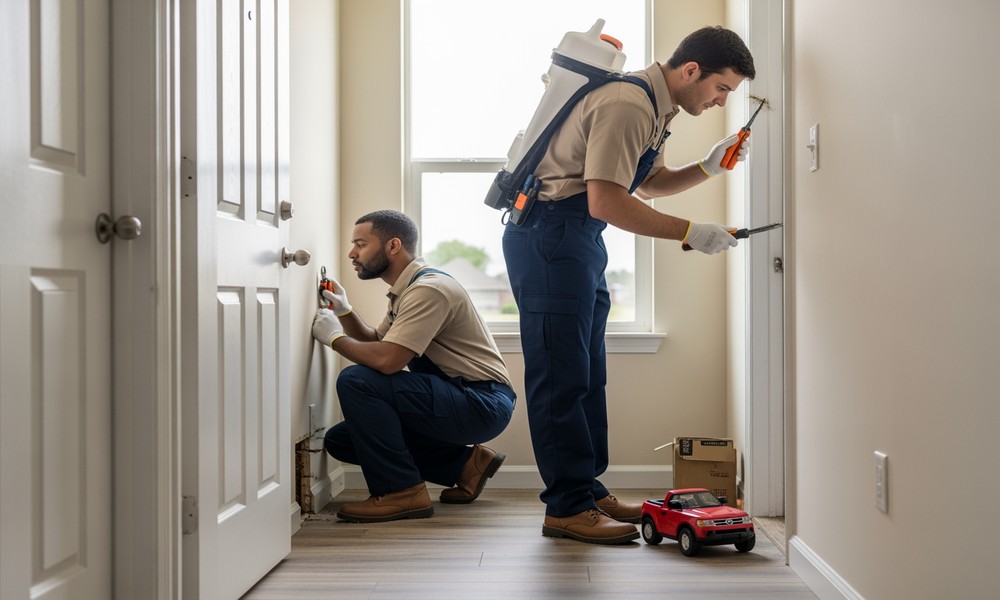
At the heart of modern, responsible pest control lies Integrated Pest Management (IPM). This approach represents a significant evolution from traditional pest control methods, which often relied solely on calendar-based pesticide applications. IPM is an effective and environmentally sensitive strategy that focuses on long-term prevention of pests and their damage. It considers the pest’s life cycle, its interaction with the environment, and then uses a combination of common-sense practices.
Unlike traditional methods that might reach for the strongest chemical solution first, IPM prioritizes understanding the pest and its environment. This allows for a more targeted and sustainable approach. For instance, instead of just spraying for ants, an IPM professional would investigate why the ants are there, what attracts them, and how to prevent their entry. This holistic view ensures that pest issues are addressed at their root, leading to more durable solutions and minimizing environmental impact. For a deeper dive into the health benefits and effectiveness of this approach, you can read an article about the IPM intervention, with citations of studies about allergens from pests.
The core difference lies in the philosophy: traditional pest control is reactive, often applying broad-spectrum pesticides to eliminate visible pests. IPM, however, is proactive and preventive, using pesticides only when necessary and in the most targeted manner possible.
| Feature | Traditional Pest Control | Integrated Pest Management (IPM) to be killed or removed.
The Four Steps of an Effective IPM Program
An effective IPM program is a continuous cycle of observation, decision-making, and action. It involves four key steps:
- Pest Identification: Accurate identification of the pest is crucial. Different pests have different biologies, habits, and vulnerabilities. Knowing the specific pest (e.g., distinguishing between different ant species or mouse vs. rat) allows for targeted and effective control. This also helps in understanding if a particular species, like the destructive Biggins carpenter ant management, requires specific intervention.
- Monitoring Protocols: Regular monitoring helps determine pest presence, population size, and activity patterns. This involves inspections, trapping, and tracking pest signs. Consistent monitoring is essential to gauge the effectiveness of control measures and to predict potential future infestations. For comprehensive guidance on pest detection, consider exploring a Pest Control Inspection Complete Guide.
- Threshold Setting: IPM doesn’t aim for eradication but rather for managing pests to an acceptable level. A threshold is the point at which pest populations or environmental conditions indicate that pest control action is necessary. This threshold varies depending on the pest, the location (e.g., home vs. hospital), and the potential risks.
- Control Implementation: Once a threshold is crossed, control measures are implemented, starting with the least risky options. These can include:
- Cultural Controls: Modifying practices like sanitation, waste management, and landscaping to make the environment less hospitable to pests.
- Physical/Mechanical Controls: Traps, barriers, hand-picking, or sealing entry points.
- Biological Controls: Introducing natural enemies of the pest, though less common in structural pest control.
- Chemical Controls: Judicious use of pesticides, applied precisely and only when other methods are insufficient. The choice of pesticide prioritizes low-toxicity, targeted formulations.
Throughout these steps, ongoing evaluation is critical. Professionals constantly assess the effectiveness of chosen strategies and adjust as needed. Community involvement is also paramount, especially in shared spaces. Educating occupants on sanitation standards and habitat manipulation (e.g., proper food storage, reducing clutter) can significantly contribute to long-term pest prevention.
Why IPM is the Preferred Environmental Standard
IPM is widely recognized as the preferred environmental standard for pest management due to its focus on sustainability and minimizing ecological impact. Public opinion strongly supports this shift, with research showing that 88% of consumers prefer eco-conscious pest management companies. This statistic underscores a growing demand for services that protect both property and the planet.
The benefits of IPM extend beyond consumer preference:
- Pesticide Risk Reduction: By prioritizing non-chemical methods and using targeted, low-toxicity pesticides only when necessary, IPM significantly reduces overall pesticide use and the associated risks to humans, pets, and non-target organisms.
- Pollinator Protection: Reduced reliance on broad-spectrum pesticides helps protect vital pollinators like bees and butterflies, which are crucial for ecosystem health and agriculture.
- Water Quality: Minimizing pesticide runoff helps prevent contamination of waterways, safeguarding aquatic life and drinking water sources.
- Long-Term Efficacy: IPM’s focus on prevention and understanding pest biology leads to more sustainable and lasting solutions, reducing the likelihood of recurring infestations.
For those looking to understand the foundational principles that make IPM an environmentally superior choice, the Introduction to Integrated Pest Management | US EPA provides excellent insights.
Core Principles of Professional Pest Control Management
Effective pest control management hinges on a set of core principles that go beyond simply applying treatments. These principles emphasize a comprehensive, proactive, and knowledgeable approach to protecting structures from unwanted invaders.
A key principle is exclusion, which involves identifying and sealing off potential entry points that pests use to access a building. This includes repairing cracks in foundations, sealing gaps around pipes, and ensuring tight-fitting screens on windows and doors. Simultaneously, moisture control is vital, as many pests, including carpenter ants, are attracted to damp environments. Addressing leaky pipes, improving ventilation, and managing drainage can significantly reduce pest appeal. Understanding the habits of specific pests, such as the destructive nature of carpenter ants, is crucial for effective prevention and remediation. For more information on managing these wood-destroying insects, consider resources on Biggins carpenter ant management.
Professional pest control also involves a deep understanding of structural integrity and how building deficiencies can contribute to pest problems. Technicians look for areas where pests can hide, breed, or gain access, ensuring that treatments are not just superficial but address underlying issues.
In regions like Massachusetts, understanding seasonal activity and local pest patterns is paramount. Pests behave differently throughout the year, with specific seasons bringing increased activity for certain species. For example, spring often sees a surge in ant activity, while rodents seek shelter indoors as temperatures drop in the fall. A professional service in the Wilmington area, for instance, would tailor its approach to these seasonal shifts, providing targeted interventions when they are most effective. Expertise developed over decades, often through family-owned businesses with 40 years of service or more, means a deep institutional knowledge of local pest challenges and effective solutions.
Implementing Seasonal Pest Control Management in Massachusetts
Massachusetts’ distinct seasons bring unique pest challenges, necessitating a dynamic and adaptive pest management strategy.
- Spring: As temperatures rise, pests like ants emerge from hibernation or begin new foraging cycles. This is also a critical time for termite swarming, where reproductive termites leave their colonies to establish new ones. Proactive inspections and perimeter treatments are essential to intercept these early-season invaders.
- Summer: Warmer weather and increased outdoor activity lead to higher populations of mosquitoes, ticks, and other biting insects. Effective mosquito control strategies become crucial for enjoying outdoor spaces safely.
- Fall: As the weather cools, rodents like mice and rats seek warmth and shelter indoors, making fall a prime time for rodent exclusion efforts. Sealing entry points and setting traps before winter sets in can prevent significant infestations.
- Winter: While many pests are less active, some, like overwintering insects or rodents already indoors, remain a concern. Indoor monitoring and targeted treatments are important during this period.
Local pest control providers in areas like Andover, Billerica, and Burlington understand these nuances and implement tailored care plans. For example, a service in Burlington might focus on preventing rodent entry into properties, while one in Andover could emphasize outdoor perimeter treatments for crawling insects. The principles of IPM are adaptable across different climates and pest types, making educational resources from institutions like the UGA Structural Pest Management Program & Training Center valuable for professionals nationwide.
Advanced Technologies in Modern Inspections
Modern pest control inspections have been revolutionized by advanced technologies, allowing for unparalleled precision and effectiveness. Gone are the days of purely visual inspections; today’s professionals leverage sophisticated tools to detect hidden pest activity.
Key technologies include:
- Infrared Cameras (Thermal Imaging): These cameras detect temperature differences, which can reveal hidden moisture, voids in walls, and even the heat signatures of pest nests (like termites or rodents) behind surfaces. This non-invasive method allows inspectors to identify potential problem areas without causing damage to the structure.
- Termatrac T3i: This device is specifically designed for termite detection. It combines three technologies-radar, thermal sensor, and moisture sensor-to pinpoint termite activity, even through walls, giving a precise location for treatment.
- Moisture Meters: Crucial for identifying areas of elevated moisture that attract pests like termites, carpenter ants, and cockroaches. These meters help confirm conditions conducive to pest activity.
- Digital Reporting: Comprehensive digital reports, often including photographic evidence and detailed findings, provide clients with clear documentation of the inspection and proposed treatment plan. Standardized forms, such as those available through NPMA-33, 99A, and 99B Digital Forms, streamline this process for wood-destroying insect inspections.
Beyond detection, technology also aids in precision application of treatments, minimizing chemical use and maximizing impact. Some companies are even exploring drone monitoring for large commercial properties or hard-to-reach areas, gathering data that informs highly targeted interventions. These tools contribute to data-driven results, ensuring that pest management strategies are based on accurate information and continuous monitoring. Understanding what is pest inspection today means appreciating this technological integration.
Selecting a Licensed Provider in Massachusetts
Choosing the right pest control provider is a critical decision for homeowners and businesses alike. It’s not enough to simply pick the first company you find; verifying their credentials and understanding their practices is essential.
In Massachusetts, specific licensing requirements are in place to ensure that pest control professionals are qualified and operate safely. These regulations are typically overseen by state agencies, such as the Massachusetts Department of Agricultural Resources (MDAR). Professionals must be certified operators, meaning they have passed rigorous examinations and maintain their knowledge through continuing education. Always ask for proof of licensure and insurance verification to protect yourself from liability.
Professional affiliations, such as membership in the National Pest Management Association (NPMA), are strong indicators of a company’s commitment to industry standards and ethical practices. The NPMA proudly serves over 4,000 member companies, promoting professionalism and education within the community. While regulations vary by state, resources like the Search for Licensed Structural Pest Companies & Operators (for Georgia, as an example) demonstrate the importance of accessible public records for verifying credentials.
Consumer protection is paramount. If you encounter issues or suspect unlicensed activity, knowing how to report it is crucial. The Fair Business Practices Act (again, as a general example of consumer rights legislation) provides a framework for addressing unfair or deceptive practices. Always ensure your chosen provider adheres to all federal and state regulations, including the Federal Insecticide, Fungicide, and Rodenticide Act (FIFRA), which governs pesticide use.
Vetting for Quality and Reliability
Beyond basic licensing, several presidential factors contribute to vetting a pest control company for quality and reliability. A strong track record and positive local reputation are invaluable. Look for companies with a history of satisfied clients and consistent service. Many reputable companies boast long-term employees, sometimes with 30-year technicians, whose experience provides unparalleled insight into local pest challenges and effective solutions.
Consider how well a company is regarded in its service areas. For example, a company with a strong service history in Woburn, MA, or a reputation for building community trust in Lexington, MA, demonstrates consistent performance. Similarly, the expertise found in North Reading, MA, pest control services often comes from years of dedicated local experience. When seeking a service provider, prioritize a Customer-first pest control management approach, where client satisfaction and clear communication are paramount.
Reliable companies typically offer clear service guarantees and engage in transparent communication. They should explain the pest problem in detail, outline the proposed treatment plan, discuss potential risks, and clarify expected outcomes. This includes providing thorough treatment explanations and answering all your questions, ensuring you understand the process from start to finish. Reviewing customer reviews can also offer valuable insights into a company’s reliability and service quality.
The Role of State and National Organizations
State and national organizations play a pivotal role in shaping the pest management industry, ensuring high standards, fostering research, and advocating for public health.
The National Pest Management Association (NPMA), for instance, is a leading voice for the industry, providing education, training, and advocating for responsible pest management practices. Their initiatives include public health summits that bring together experts to discuss critical issues and solutions. The Pest Management Foundation further supports the industry by offering $55,000 research grants to advance scientific understanding and develop innovative pest control methods. This commitment to research directly benefits consumers through more effective and safer solutions.
At the state level, state extension services, often affiliated with land-grant universities like UMass Amherst in Massachusetts, provide invaluable resources. They offer research-backed information on pest identification, biology, and control strategies, often tailored to local conditions. These services also provide training and certification programs for pest management professionals, ensuring a knowledgeable workforce. The overarching legal framework for pesticide use in the United States, the Federal Insecticide, Fungicide, and Rodenticide Act (FIFRA), sets the national standard that all pest control operations must adhere to.
These organizations collectively work to elevate the profession, protect consumers, and safeguard the environment, making them indispensable pillars of effective pest control management.
The Economic and Health Benefits of Proactive Management
Investing in proactive pest control management offers significant economic and health benefits for both residential and commercial properties. The cost of prevention almost always outweighs the cost of remediation after an infestation has taken hold.
Economically, professional pest management protects your property value. Pests like termites, carpenter ants, and rodents can cause extensive structural preservation issues, leading to costly repairs. Regular inspections and preventive measures can detect and address these problems early, saving thousands in potential damage. For businesses, maintaining a pest-free environment is crucial for reputation, compliance, and avoiding financial losses due to contaminated products or closures. This is especially true for commercial kitchens and food service establishments, where pest infestations can have devastating consequences. For insights into ensuring a clean and healthy home environment through pest control, explore articles like The Role of Pest Control in Maintaining a Clean and Healthy Home.
From a health perspective, proactive pest control is vital for reducing exposure to various hazards. Pests are known carriers of diseases and can trigger severe allergies. For example:
- Allergen Reduction: Cockroaches and rodents are significant sources of allergens that can exacerbate asthma, especially in children. Effective control measures lead to a substantial allergen reduction in indoor environments.
- Asthma Triggers: Dust mites, often associated with damp conditions, are another common asthma trigger that can be managed through integrated pest strategies.
- Cockroach Mitigation: Beyond allergens, cockroaches can spread bacteria like Salmonella and E. coli. Targeted pest control for cockroaches is essential for public health.
- Rodent-Borne Diseases: Mice and rats can transmit diseases such as Hantavirus, leptospirosis, and salmonellosis, making effective mice pest control and rat management critical for health.
For sensitive environments like healthcare facilities, the stakes are even higher. The Integrated Pest Management in Health Care Facilities Toolkit 2021 (pdf) provides comprehensive strategies to protect vulnerable patients and staff from pests and associated health risks.
Evaluating Long-Term Pest Control Management Costs
Understanding the cost of pest control is a common concern for consumers. While average service pricing can vary widely based on location, pest type, and severity of infestation, it’s important to view these costs as an investment in long-term protection and health. Internet data benchmarks suggest a wide range, with initial services potentially falling anywhere from $150 to $1,500+, depending on the complexity. However, regular maintenance plans are often more affordable and prevent major issues. For a detailed breakdown of potential expenses, resources like Pest Control Services Cost can provide valuable insights.
The ROI on prevention is often substantial. By preventing infestations, property owners avoid costly repairs, health-related expenses, and potential business disruptions. For commercial impact, a pest-free environment protects brand reputation, ensures compliance with health regulations, and prevents financial losses from damaged inventory or customer deterrence.
The importance of proactive pest management is particularly evident in contexts like school safety. With over 53 million children and 6 million adults spending a significant portion of their days in more than 120,000 public and private schools across the United States, protecting these environments from pests is a public health imperative. The long-term costs of dealing with pest-related illnesses, missed school days, or structural damage far outweigh the investment in a robust IPM program. For comprehensive information and resources on pest management, residents can consult various guides, including Pest Control: Resources for Residents.
Protecting Sensitive Environments: Schools and Healthcare
Sensitive environments like schools, child care facilities, and healthcare settings require specialized pest management strategies that prioritize safety and minimize exposure to chemicals. The presence of vulnerable populations-children, the elderly, and those with compromised immune systems-demands a highly cautious and effective approach.
In these settings, low-toxicity options and non-chemical barriers are preferred. This includes rigorous sanitation practices, exclusion techniques, and mechanical controls. For instance, in a school in Tewksbury, MA, standards for pest management would focus on preventing pests through meticulous cleaning, proper food storage, and sealing entry points, rather than relying on routine pesticide applications.
Sanitation audits are regularly conducted to identify and eliminate conditions conducive to pests. Occupant education is also a key component, teaching staff and students about their role in maintaining a pest-free environment, such as proper waste disposal and reporting pest sightings. The goal is to create a holistic system where pests cannot thrive. The principles of Integrated Pest Management are particularly crucial here, as highlighted by resources like Integrated Pest Management for Georgia Schools and Child Care Facilities, which offer guidance applicable to similar facilities nationwide. Implementing effective residential pest control in Tewksbury, MA often draws on these same principles to ensure safety for families.
Frequently Asked Questions about Pest Control Management
What is the most effective form of pest control management?
The most effective form of pest control management is Integrated Pest Management (IPM). IPM is a comprehensive, multi-faceted approach that combines various strategies to achieve long-term pest suppression while minimizing risks to human health and the environment. It moves beyond simply killing pests to understanding their biology and environment, focusing on prevention, monitoring, and targeted treatments. For a detailed explanation, the CDC provides an excellent resource on What Is Integrated Pest Management?. This holistic approach leads to more sustainable and lasting results compared to chemical-only methods.
How do I prevent pests from entering my home in Massachusetts?
Preventing pests from entering your home in Massachusetts involves a combination of exclusion techniques and habitat modification:
- Seal Cracks and Gaps: Inspect your home’s foundation, exterior walls, and around utility lines for any cracks or openings. Seal them with caulk, steel wool, or mesh.
- Repair Damage: Address any damaged screens, vents, or weather stripping.
- Manage Moisture: Fix leaky pipes, faucets, and ensure proper drainage around your home. Pests like carpenter ants are drawn to moisture, so addressing these issues is critical.
- Maintain Gutters: Keep gutters clean and free of debris to prevent water accumulation, which can attract mosquitoes and create damp conditions.
- Trim Vegetation: Keep shrubs, trees, and other vegetation trimmed away from your home’s foundation and roof, as these can serve as bridges for pests.
- Proper Storage: Store food in airtight containers and keep garbage bins sealed and away from the house.
These measures are crucial for properties in areas like Wilmington and Andover, where seasonal pest activity can be high. For more tips on safe and effective pest prevention, consult guides such as How to Control Pests Safely.
How often should a professional inspection be conducted?
For most residential and commercial properties, quarterly maintenance or seasonal inspections are highly recommended. This frequency allows professionals to monitor for pest activity that correlates with seasonal shifts and address potential infestations before they become severe.
Properties with high-risk areas (e.g., food service, healthcare, or those prone to specific pests like termites) may benefit from more frequent inspections, such as bi-monthly or monthly. Regular inspections are also often a condition for termite warranties, ensuring continuous protection against these destructive pests. Whether you’re in Bedford, MA, or Billerica, MA, consistent service schedules are key to proactive pest management. A Citizen’s Guide to Pest Control and Pesticide Safety also emphasizes the importance of ongoing vigilance.
Conclusion
Effective pest management is a critical component of maintaining healthy, safe, and valuable homes and businesses. As we have explored, the modern approach to pest control is rooted in Integrated Pest Management (IPM), a strategy that prioritizes prevention, scientific understanding, and targeted interventions over reactive, chemical-heavy solutions.
The importance of selecting a licensed and reputable pest control company cannot be overstated. Verifying credentials, understanding local regulations, and choosing a provider with a strong track record and commitment to ethical practices ensures peace of mind and effective results. Local Massachusetts expertise, combined with a proactive strategy, is essential for addressing the unique pest challenges of the region.
Investing in professional pest control management is an investment in public health and long-term property protection. By embracing IPM principles and partnering with knowledgeable professionals, we can create environments that are not only free from pests but also safer and more sustainable for everyone.
