


The Role of Professional Wildlife and Pest Management in Modern Homes
Living in residential areas often means sharing our space with local wildlife. While many encounters are harmless, discovering a snake or other animal on your property can be startling. These situations can even pose risks to families and pets, mainly when they occur unexpectedly, such as in the middle of the night.
Understanding how to respond calmly and effectively is crucial. This guide explores sustainable approaches to residential wildlife control. We will cover everything from immediate actions during an emergency to long-term prevention strategies.
Our goal is to help homeowners manage wildlife encounters safely and humanely. This includes knowing when to seek professional help, such as for reliable 24-hour snake and pest management. We will also discuss identifying common species and making your property less attractive to unwanted visitors.
The unexpected presence of wildlife, particularly snakes, can cause significant anxiety for homeowners. This is especially true when an encounter occurs at night or involves a potentially venomous species. In such scenarios, the necessity of a 24/7 snake removal service becomes undeniably evident. Wildlife, unlike human schedules, does not operate on a 9-to-5 basis. A snake could appear in a child’s bedroom at midnight, or a venomous species might be discovered near a pet enclosure at dawn. These are not situations that can wait until morning.
Professional wildlife and pest management services are equipped to handle these critical situations with immediate response. They offer peace of mind by providing rapid assistance, often arriving within minutes, as some services boast response times under 30 minutes. This swift action is crucial not only for the immediate removal of the animal but also for ensuring the safety of all occupants.
Beyond removal, these services offer specialized tools and expertise vital to safe and humane handling. Attempting DIY removal, particularly of an unknown or venomous snake, can lead to dangerous consequences, including bites that require immediate medical attention. Professionals are trained to assess the situation quickly, identify the species, and apply appropriate capture and relocation techniques, minimizing stress for both the animal and the residents.
Common emergency scenarios that necessitate professional 24/7 intervention include:
- Nocturnal Sightings: A snake found inside the home late at night, especially in living areas or bedrooms.
- Aggressive Behavior: A snake exhibiting defensive or aggressive postures, indicating it feels threatened.
- Venomous Species: Any sighting of a snake suspected to be venomous, regardless of time or location on the property.
- Proximity to Vulnerable Individuals: Snakes found near children, elderly individuals, or pets.
- Trapped Animals: A snake caught in a difficult-to-reach spot, such as plumbing, vents, or tight crevices.
- Multiple Sightings: Recurring snake appearances, suggesting a larger underlying issue like an attractant on the property.
Emergency Protocols for Immediate Safety
When you encounter a snake, especially in an emergency, the first and most critical step is to remain calm. Panic can lead to rash decisions that put you, your family, and the animal at risk. If the snake is indoors, slowly back away, maintaining visual contact if possible, and leave the room, closing the door behind you. If it’s outdoors, keep your distance from the snake.
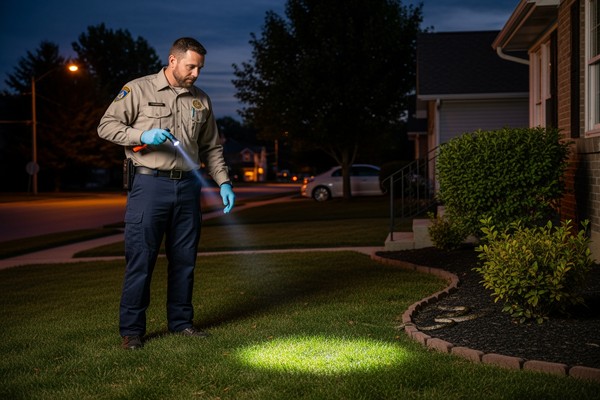
Protecting pets and children is paramount. Ensure all family members and pets are moved to a safe, enclosed area away from the snake’s location. Do not attempt to catch, harass, or kill the snake. Not only is this dangerous, but in many regions, it is illegal to harm native wildlife. Instead, contact a professional 24/7 snake removal service immediately. They can provide guidance over the phone while en route and will conduct a professional assessment upon arrival to ensure safe and effective removal.
Standards for Reputable Wildlife and Pest Management
Choosing a reputable wildlife control service is essential for effective and humane snake removal. We look for several key indicators of professionalism and ethical practice. Firstly, state certification and licensing are non-negotiable. For instance, in Georgia, technicians should be certified by the Georgia Department of Natural Resources Wildlife Resources Division. Similarly, in Arizona, professionals should be licensed by the Arizona Game & Fish Department. This ensures they are knowledgeable about local wildlife, regulations, and safe handling practices. It’s illegal in many states to kill, harm, or relocate wild snakes without permits, underscoring the importance of licensed professionals.
Secondly, liability insurance is crucial. Wildlife removal can sometimes involve risks or property damage, and a fully insured company protects both its technicians and your property. Thirdly, humane relocation is a hallmark of ethical practice. Reputable services prioritize the animal’s well-being, relocating it to a suitable natural habitat where it can thrive rather than resorting to extermination. This approach respects the ecological role snakes play, such as their role in controlling rodent populations.
Finally, holistic prevention and warranty services demonstrate a commitment to long-term solutions. Beyond just removing the immediate threat, a quality service will conduct thorough inspections to identify and address root causes, such as entry points or attractants. They should also offer advice on property modifications and, ideally, provide a warranty on their exclusion work, ensuring lasting peace of mind. This comprehensive approach differentiates true wildlife specialists from general pest control companies.
Identifying and Managing Common Reptile Encounters
Encountering a snake can be unsettling, but understanding the species you’ve experienced can alleviate fear and guide your next steps. While it’s always safest to assume a snake is venomous and keep your distance, recognizing key characteristics can be helpful.
One common misconception is that all venomous snakes have triangular heads or elliptical pupils. While many do, like copperheads and rattlesnakes, some non-venomous snakes can mimic these traits as a defense mechanism. For instance, non-venomous rat snakes mimic rattlesnakes by vibrating their tails, producing a rattling sound when agitated. Conversely, the highly venomous coral snake has round pupils and a small head, defying the common “venomous snake” stereotype. Heat-sensing pits, located between the nostrils and eyes, are a reliable indicator of pit vipers (rattlesnakes, copperheads, cottonmouths), but these are difficult to spot from a safe distance.
Snake activity is often seasonal, with most sightings occurring from early March through early November. Mating season typically runs from April to September, increasing the likelihood of encounters.
Here’s a simplified table comparing general characteristics, but remember, these are guidelines, and professional identification is always recommended:
Feature General Venomous Characteristics (Pit Vipers) General Non-Venomous Characteristics Head Shape Often triangular or spade-shaped Usually more rounded or oval Pupil Shape Vertical, elliptical (like a cat’s eye) Round Heat Pits Present (small hole between eye and nostril) Absent Body Build Often thicker, heavier-bodied Generally more slender Scales Often keeled (ridged) Can be smooth or keeled Tail May have a rattle (rattlesnakes) Tapers smoothly Regional Species and Wildlife and Pest Management Standards
Different regions host different snake populations, and understanding local species is crucial.
- Georgia: Home to six venomous species: Copperhead, Timber Rattlesnake, Cottonmouth (Water Moccasin), Eastern Coral Snake, Pigmy Rattlesnake, and Eastern Diamondback Rattlesnake. Copperheads are particularly common in suburban areas.
- South Carolina: Of the 38 snake species in South Carolina, only six are venomous, mirroring Georgia’s list. Cottonmouths are frequently found near water sources.
- Arizona: A hotspot for snake diversity, with 57 native species. Arizona is home to 13 species of rattlesnakes, all venomous, including the Western Diamondback and Mojave Rattlesnake. The Phoenix metro area alone hosts six rattlesnake species within city limits.
- Missouri: The primary venomous snakes are the Copperhead and Timber Rattlesnake. Less than one-third of the 2,700 species of snakes worldwide are classified as poisonous, and fewer than 300 species may be fatal to humans.
Wildlife and pest management standards in these regions emphasize safe, humane removal. State laws often protect native snakes, making it illegal to kill them without a permit. This reinforces the need for professional services knowledgeable about local regulations and that prioritize ethical conservation.
Risks of DIY Removal and Handling
The temptation to handle a snake encounter yourself can be strong, especially if you believe it’s non-venomous. However, the risks associated with DIY snake removal far outweigh any perceived benefits.
The most obvious danger is venomous bites. Even non-venomous snakes can inflict painful bites, but a venomous bite can be life-threatening and requires immediate medical attention. Many people misidentify snakes, and what appears to be a harmless garter snake could be a juvenile venomous species. For example, 99.9% of panic calls about rattlesnakes or copperheads are actually non-venomous snakes, but that 0.1% risk is significant.
Beyond personal safety, legal restrictions are often in place. In most states, it is illegal to kill, harm, or relocate wild snakes without specific permits. Unlicensed individuals attempting removal risk fines or legal penalties. Furthermore, improper handling can lead to animal welfare issues, causing injury or undue stress to the snake. Ineffective trapping methods, such as glue traps, can cause significant suffering and often fail to solve the underlying problem.
Professional snake removal services are staffed by experts who are licensed, trained, and equipped to handle snakes safely and humanely. They understand snake behavior, possess specialized tools, and are aware of the legal requirements. This expertise ensures not only your safety but also the animal’s welfare and compliance with local regulations.
Addressing Root Causes: Habitat Modification and Exclusion
Simply removing a snake from your property is often a temporary solution if the underlying attractants remain. Sustainable wildlife control focuses on identifying and mitigating the root causes that draw snakes to your home in the first place. Snakes are attracted to properties primarily for three reasons: food, water, and shelter. By addressing these, we can significantly reduce future encounters.
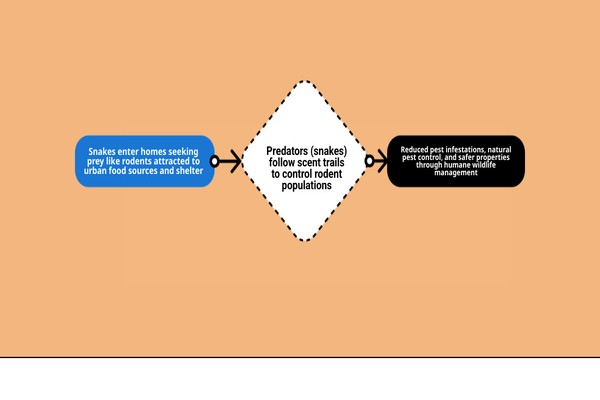
Snakes are adept at finding their way into homes, often following the scent trails of their prey. They possess a vomeronasal (Jacobson’s) organ, which allows them to detect scent particles left by rodents, birds, and other small animals. This means if you have a rodent problem, you’re likely to attract snakes. Snakes often enter homes in the fall, seeking warmth from gaps and cracks in foundations as temperatures drop.
Effective habitat modification involves several key strategies:
- Rodent Attractants: Eliminate food sources for rodents, such as spilled pet food, birdseed, or unsecured garbage. If you have a rodent infestation, addressing it promptly is crucial, as snakes will follow their prey.
- Debris Removal: Clear away piles of leaves, woodpiles, rock piles, and other debris that provide ideal hiding spots for snakes and their prey.
- Vegetation Management: Keep grass mowed short, trim bushes and shrubs away from the house, and avoid dense ground cover near foundations. This reduces snake coverage and makes your yard less appealing.
- Water Source Mitigation: Remove standing water sources, repair leaky outdoor faucets, and ensure proper drainage. Aquatic snakes, like cottonmouths, live at the water’s edge and can be attracted to ponds or water features.
Integrated Wildlife and Pest Management for Long-Term Prevention
Long-term prevention relies on a comprehensive approach known as Integrated Wildlife and Pest Management (IWPM). This strategy combines habitat modification with physical exclusion techniques to make your home impenetrable to snakes.
Common entry points for snakes into homes, attics, yards, or garages include:
- Foundations: Cracks, gaps, and unsealed openings in the foundation or crawl space.
- Attics: Unsealed vents, damaged soffits, or gaps where utility lines enter. Snakes are attracted to attics, especially if rodents are present.
- Yards: Unsealed gaps under doors, damaged screens, or openings around pipes and conduits.
- Garages: Gaps under garage doors, open windows, or unsealed utility entry points.
To seal these entry points effectively, professionals use durable materials like galvanized steel mesh, concrete, or expanding foam. This includes sealing gaps around plumbing conduits, electrical penetrations, and dryer vents. Regular inspection and repair of window and door screens are also vital. For added protection, consider installing snake-proof fencing around your property, especially in areas with high snake activity.
Managing Attractants in Attics and Crawl Spaces
Attics and crawl spaces are common targets for snakes, especially during seasonal transitions when they seek shelter or prey. Snakes enter these areas often because they are attracted to rodents or other small animals that have already found their way in.
Effective management involves:
- Rodent Control: This is paramount. If snakes are entering your attic, they are likely following a rodent scent trail. Professional rodent removal and exclusion are necessary to eliminate this primary attractant.
- Scent Trail Elimination: After rodent removal, cleaning and sanitizing affected areas can help eliminate the scent trails that snakes use to navigate.
- Entry Point Sealing: As mentioned, thoroughly seal all potential entry points into the attic and crawl space. This includes checking vents, eaves, and any gaps around utility lines.
- Moisture Control: Address any moisture issues, as damp environments can attract insects and other small creatures that snakes prey on.
- Debris Clearing: Remove any stored items, insulation debris, or other clutter that could provide hiding spots for snakes or their prey within these spaces.
By taking these proactive steps, we can create an environment inhospitable to snakes and reduce the likelihood of future encounters, ensuring a safer, more secure home.
Safety Protocols and Legal Considerations for Homeowners
While the immediate focus during a snake encounter is often on removal, it’s equally important to understand the broader safety protocols and legal frameworks surrounding wildlife. These considerations protect not only humans and pets but also snakes, which play vital roles in our ecosystems.
Professional snake removal emphasizes humane relocation. Experts use specialized tools, such as snake tongs, hooks, and secure transport containers, to safely capture and move snakes without causing them harm. The goal is to release the snake into a suitable natural habitat, away from residential areas, where it can continue its ecological function. This approach aligns with ethical conservation practices and is often mandated by state wildlife regulations.
Legal regulations for snake handling and removal vary significantly by state and even by species. Many states protect native snake populations, making it illegal for unlicensed individuals to capture, harm, or kill them. For instance, in Victoria, Australia, it is an offense under law for an unlicensed person to attempt to capture or kill a snake. This underscores why licensing is essential for wildlife removal professionals. Licensed experts are trained in species identification and safe handling and are aware of all relevant laws, ensuring that removals are conducted legally and ethically. Engaging an unlicensed individual or attempting DIY removal could lead to legal penalties, in addition to the inherent dangers.
First Aid Steps for Venomous Bites
Despite all precautions, snake bites can occur. Knowing what to do immediately after a venomous snake bite is critical for minimizing harm and improving outcomes. Seek immediate medical attention by calling emergency services (911 in the US) or going to the nearest hospital. While waiting for professional medical help, follow these first aid steps:
- Stay Calm: Panic can increase heart rate, potentially spreading venom more quickly. Try to remain as still and calm as possible.
- Immobilize the Area: Keep the bitten limb as still as possible and below the level of the heart. If available, apply a loose splint to restrict movement.
- Remove Constrictive Items: Remove any jewelry, watches, or tight clothing from the bite area, as swelling may occur.
- Clean the Wound: Gently wash the bite area with soap and water, if available.
- Do NOT: Cut the wound or attempt to suck out venom.
- Apply a tourniquet or ice.
- Drink alcohol or caffeine.
- Take pain medication unless advised by medical professionals.
- Note Snake Characteristics (if safe): If you can safely remember or describe the snake’s appearance (size, color, markings) without risking another bite, this information can be helpful for medical staff in identifying the species and administering the correct antivenom.
These steps are crucial before medical professionals arrive, but they are not a substitute for professional medical treatment.
Frequently Asked Questions about Wildlife and Pest Management
We understand that homeowners have many questions when they encounter wildlife. Here, we address some of the most common inquiries regarding snake removal and prevention.
What should I do immediately if I spot a snake on my property at night?
If you spot a snake on your property, especially at night or during an emergency, your immediate actions are crucial for safety. First, maintain a safe distance-at least 6 feet (2 meters) away. Do not approach or attempt to interact with the snake. Second, keep constant visual contact if it’s safe to do so, without getting closer. This helps professionals locate the snake quickly upon arrival. Third, ensure all pets and children are indoors and safely secured away from the area. Finally, contact a 24-hour professional snake removal service immediately. They can provide guidance over the phone and dispatch a team for safe identification and removal. It’s always best to assume a snake is venomous until a professional identifies it, especially in low-light conditions.
Are commercial snake repellents and mothballs effective for long-term control?
The effectiveness of commercial snake repellents and mothballs is a common question, and the answer is largely disappointing. Most chemical repellents, including those containing sulfur, naphthalene (the active ingredient in mothballs), or essential oils, are ineffective in deterring snakes in scientific studies. These substances do not consistently or reliably repel snakes. Furthermore, mothballs are toxic to humans and pets, harmful to the environment, and their use outdoors is often illegal due to their chemical composition.
Experts strongly recommend against relying on these products. Instead, the only sustainable and proven solutions for long-term snake control are habitat modification and physical exclusion. By removing attractants (food, water, shelter) and sealing entry points, you create an environment that is naturally unappealing and inaccessible to snakes. This integrated approach is far more effective and environmentally responsible than chemical repellents.
Why do snakes frequently enter residential attics or garages?
Snakes enter residential attics, garages, and even basements for particular reasons, primarily driven by their basic survival needs. They are typically attracted to these areas in search of prey, such as rodents (mice, rats, squirrels) or even birds. If you have a rodent problem, snakes will often follow the scent trails of these animals into your home. This is particularly true for species like rat snakes, which are excellent climbers and frequently found in attics where rodents might be nesting.
Another significant reason is shelter and temperature regulation. During seasonal transitions, snakes seek stable environments. In the fall, they may enter homes or garages in search of warmth as outdoor temperatures drop. In the spring, they might seek cooler, shaded areas to escape the heat. Attics and garages offer protected spaces away from predators and the elements. Aquatic snakes, for example, might enter basements as juveniles, especially if there are nearby water sources or if they are attracted to insects or amphibians seeking damp conditions. Addressing underlying attractants such as rodents, sealing entry points, and managing environmental conditions are key to preventing unwelcome visits.
Conclusion
Living harmoniously with nature, even in residential settings, requires a balanced approach. While the presence of wildlife, particularly snakes, can be alarming, especially with the need for 24-hour snake removal services, understanding and implementing sustainable wildlife control strategies is key. We have explored the critical role of professional expertise, emphasizing the need for 24/7 emergency response to ensure immediate safety and peace of mind.
From identifying regional snake species and understanding the significant risks of DIY removal, to addressing the root causes through habitat modification and exclusion, our focus remains on humane and practical solutions. Implementing integrated wildlife and pest management, including sealing entry points and managing attractants such as rodents, provides the most robust long-term prevention. Adhering to safety protocols and respecting legal regulations ensures that all encounters are handled ethically and responsibly.
By combining property maintenance with environmental stewardship and relying on professional guidance, we can foster a safer environment for our families, pets, and the diverse wildlife that shares our world. Sustainable safety comes from proactive measures and the knowledge that expert help is always available for unexpected encounters, allowing for coexistence rather than conflict.
