


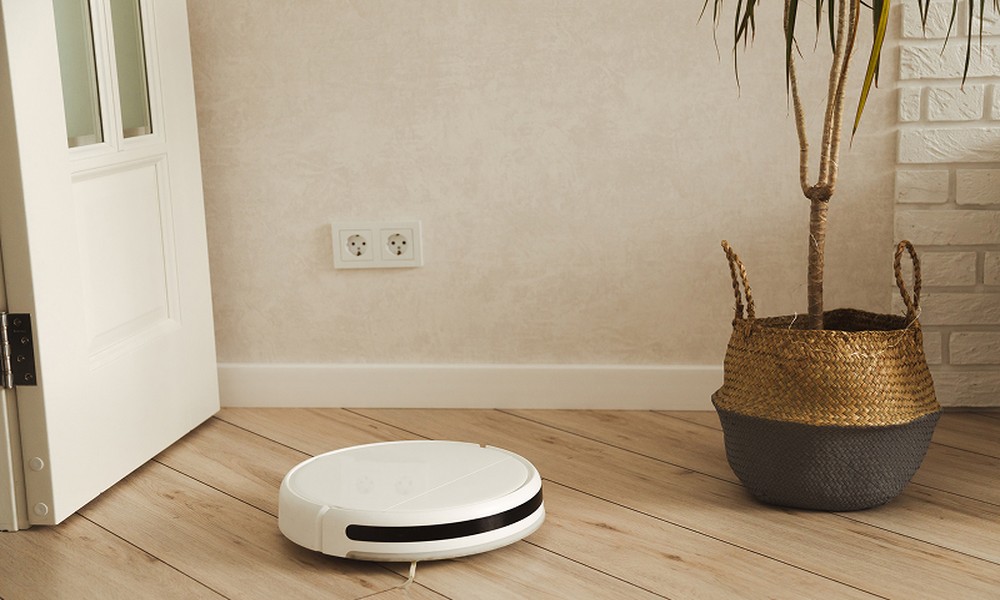
Homes in Singapore rarely stick to just one kind of flooring. A living room might feature marble tiles, bedrooms could have vinyl planks, and the kitchen often ends up with textured ceramic. This mix looks good, but it complicates cleaning. That is where floor compatibility quietly becomes the make-or-break factor. A Narwal robot that works brilliantly on tiles but struggles on rugs can turn daily convenience into mild frustration. The same applies to any automatic vacuum cleaner and mop that claims to handle “all surfaces” without explaining how.
Floors Tell Different Stories
Tiles, timber, laminate, vinyl and carpets all behave differently under a cleaning head. Smooth tiles show every footprint and watermark, while timber demands gentler contact and careful moisture control. Carpets trap dust deep inside, almost hiding it. When a robot vacuum moves from one surface to another, it has to adjust suction, brush speed, and even how much water gets released. Without that flexibility, cleaning becomes uneven. One corner sparkles, another feels half-done, and that contrast is hard to ignore in compact homes.
Why Singapore Homes Need Extra Thought
Humidity plays its own role here. Moist air slows drying time, so floors stay damp longer after mopping. This is why compatibility is not just about material, but also about environment. A Narwal robot designed with controlled water output helps prevent streaks and swelling on sensitive surfaces. In households where shoes come off at the door, and bare feet are common, floor comfort matters more than people realise. Clean is not just visual. It is how the floor feels underfoot.
From Tiles to Carpets Without Fuss
Some people assume carpets are rare locally, yet rugs are everywhere. Living rooms, study corners, and even children’s rooms use them to soften sound. A reliable automatic vacuum cleaner and mop needs to recognise these zones and respond instantly. Mopping a rug is clearly not ideal, but ignoring it entirely leaves dust behind. Smarter machines lift mop pads, increase suction, and carry on. It sounds technical, but in practice it simply means less monitoring and fewer interruptions.
Scratches, Scuffs, and Small Worries
There is a quiet concern many homeowners share. Will this machine scratch the floor? Delicate finishes, especially on newer vinyl or timber flooring, do not forgive rough brushes. This is where the design philosophy of a Narwal robot becomes relevant. Softer rollers and consistent pressure help reduce wear over time. It feels like a minor detail, yet after months of regular cleaning, those details matter more than expected.
The Hidden Cost of Poor Compatibility
A robot that is not suited to the home often ends up being used less. It gets parked in a corner and brought out only for quick cleans. Over time, manual cleaning creeps back in. An automatic vacuum cleaner and mop should remove effort, not add extra decisions. Floor compatibility keeps cleaning routines smooth and predictable, which is exactly what busy households need.
Choosing with Everyday Life in Mind
The best choice is rarely about power alone. It is about balance. A Narwal robot that adapts smoothly across surfaces supports real daily habits, from quick weekday tidying to heavier weekend resets. When a machine understands the floor beneath it, cleaning fades into the background. That quiet reliability is what makes the difference.
Conclusion
Floor type compatibility shapes how useful a robot vacuum becomes over time. A well-matched automatic vacuum cleaner and mop handles transitions quietly, protects surfaces, and fits naturally into daily routines. To explore how the right Narwal robot can suit different floor types and home layouts, get to know more about Narwal SG to find the product that suits them.
