


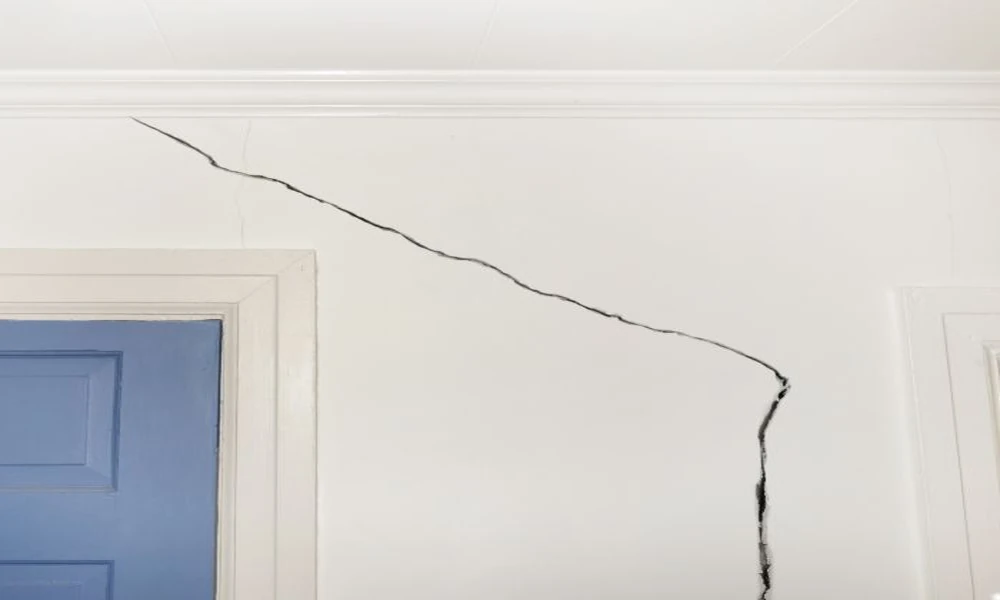
A wall crack gets patched, painted, and forgotten. Several months later, a thin line appears in the same place. Maybe another crack develops above a nearby doorway or along a tile floor. When damage repeatedly returns after cosmetic repairs, the pattern may say more than the individual crack.
Slab Foundation Repair may become necessary when recurring cracks trace back to movement or changing support beneath the concrete foundation. Instead of treating every opening as a separate surface problem, a structural evaluation looks at when the damage appeared, where it keeps returning, and what other changes are happening nearby.
For homeowners noticing cracks that keep returning, slab foundation repair in The Woodlands may be worth considering when the damage appears connected to movement beneath the home.
Give Returning Cracks a History
A crack tells more of its story when you know how it has changed.
Think back to when it first appeared. Was it patched once or several times? Did it return in the same place, grow longer, or become wider? Did another crack appear nearby during the same period?
Photos are useful here. Taking pictures from the same angle creates a simple timeline without requiring complicated measurements.
Weather may also provide context. A crack that changes after long dry periods may deserve comparison with one that becomes more noticeable after extended rain.
Slab Foundation Repair planning becomes more focused when there is a record of how the damage developed instead of one snapshot from a single day.
Draw Connections Between Different Rooms
Recurring foundation movement does not always stay inside one room.
A crack above a bedroom door may seem unrelated to a split grout line in the hallway. A gap beside a kitchen cabinet may appear separate from a window that suddenly feels harder to open.
Put those changes on a simple mental map of the house. If several problems follow the same general line or cluster around one side, they may reflect movement in the same foundation area.
This approach shifts attention away from the largest crack and toward the overall pattern.
Look Below the Concrete for the Reason
Concrete slabs depend on the ground underneath them for support. When that support changes unevenly, one section may move while another stays relatively stable.
Several conditions may contribute. Soil may compress over time, shrink during dry weather, or become softer during long wet periods. Erosion may remove material from one area. Poorly compacted fill may settle. A plumbing leak below the slab may also change moisture conditions around the soil.
The visible crack is the response. The lost support underneath is the condition that needs closer attention.
Pay Attention to What Happens Between Cracks
Cracks become more meaningful when other parts of the house are changing too.
A door may rub against its frame even after being adjusted. Tile may separate along grout lines. Trim may pull away from the wall. One part of a floor may feel lower than the next room.
These signs add context because they show how the surrounding structure is reacting.
One small drywall crack may remain cosmetic. Several repeating changes across floors, doors, walls, and finishes give a contractor more information about possible slab movement.
The Evaluation Looks for the Moving Section
The next step is figuring out where the slab has changed position.
A contractor may compare floor elevations across different rooms, review recurring crack locations, and look at doors or windows that have shifted. Exterior settlement, drainage, visible foundation edges, and nearby plumbing routes may also be reviewed.
Slab Foundation Repair should be based on this movement pattern rather than the appearance of one damaged surface.
If one section sits lower than surrounding areas, the repair plan may focus there. A wider pattern may require a different approach.
What the Repair Service May Involve
When settlement is affecting part of the slab, structural work focuses on restoring dependable support beneath that section.
The project may involve installing support below the affected foundation area so part of the structural load is transferred to stronger material underneath. The exact method depends on the foundation design, amount of settlement, soil conditions, access, and location of the movement.
The affected section is stabilized first. Structural cracks or damaged concrete may then receive separate repair once movement is under control.
Interior damage usually comes later. Drywall, flooring, trim, and tile may still show the history of settlement even after structural work is complete.
Slab Foundation Repair is therefore more than filling cracks. The service targets the support problem below the recurring damage, then creates a better starting point for later surface repairs.
Water May Be Part of the Story
Moisture around or beneath the foundation may influence how supporting soil behaves.
Poor grading, standing water, short downspouts, erosion, or plumbing leaks may keep one area wetter than another. Repeated rainfall may also expose drainage problems that were less noticeable during dry weather.
Structural stabilization and drainage correction are separate types of work. When water contributes to changing soil conditions, the broader plan may need to consider that source as well.
Stop Repeating Cosmetic Repairs Too Early
A fresh drywall patch looks finished until the same line opens again.
Repeated cosmetic work makes more sense after structural movement has been evaluated. Otherwise, paint, tile, trim, or drywall repairs may continue showing the effects of movement underneath.
Slab Foundation Repair focuses on stabilizing the structural area first. Finish work then has a more stable foundation to build on.
Conclusion
Cracks that keep returning are useful clues because they create a history of how the home has changed. Their timing, location, connection to other rooms, and nearby floor or door movement may reveal a larger pattern beneath the surface.
The practical approach is to document recurring damage, connect changes across the home, investigate support beneath the slab, and stabilize the affected area before another round of cosmetic repairs.
If cracks keep returning across walls, floors, or doorways, contact The Woodlands Foundation Repair Pros to discuss slab foundation evaluation, stabilization, and structural repair options for your home.
