


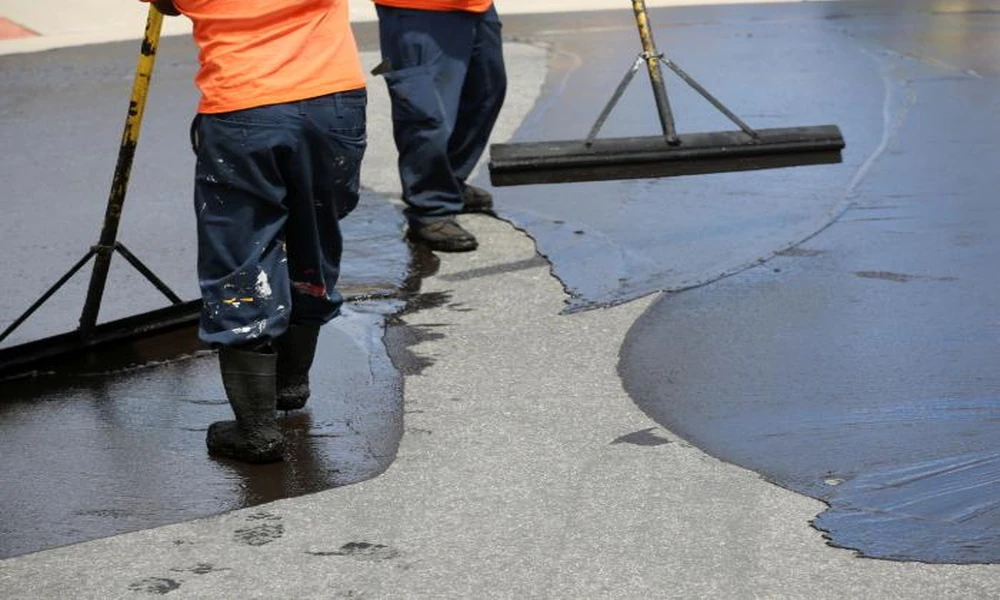
Fresh asphalt gets most of the attention because it creates the smooth, dark surface people see after a paving project. The quality of the finished pavement, however, depends heavily on what happens before the asphalt arrives. Site conditions, slope, base preparation, compaction, drainage, traffic patterns, and transitions all influence how the finished surface performs.
Good asphalt paving starts by understanding the property rather than treating every driveway, parking area, or roadway the same. A surface carrying passenger vehicle has different demands from a commercial lot with frequent deliveries. The ground beneath the pavement matters too, especially in North Texas, where heat, rain, and shifting soil place regular stress on paved areas.
Site Conditions Shape the Paving Plan
Every paving project starts with the space itself. Contractors need to look at the size and shape of the area, current surface conditions, slope, access, surrounding structures, and the type of traffic expected after installation.
A residential driveway may need room for several vehicles and smooth transitions into a garage. A commercial lot needs to account for turning vehicles, parking patterns, entrances, and delivery areas. Roads and longer private lanes introduce another set of traffic and drainage concerns.
Wylie Paving Company states that its process begins with a site evaluation before preparation, asphalt placement, and layered compaction begin. Property owners researching asphalt paving in Wylie can use that early evaluation to discuss how the surface will be used instead of choosing a paving plan based only on square footage.
Grading Gives Water Somewhere to Go
Water needs a clear route across a paved surface. A driveway or parking lot that appears perfectly flat may develop standing water after heavy rain if the grade does not direct runoff properly.
Grading shapes the surface before asphalt is placed. Contractors look at existing elevations, nearby structures, drainage points, and the surrounding ground to determine how water should move across the site.
Small changes in slope matter. Water collecting repeatedly in the same low area may work its way into cracks or weak points as pavement ages. It may also make sections of a parking area or driveway inconvenient after storms.
Planning drainage from the beginning is easier than trying to correct a poorly placed low spot once the entire surface is finished.
The Base Carries the Load
Asphalt does not sit directly on unprepared soil. The layers beneath it create support for everything that moves across the pavement.
Site preparation may involve removing unsuitable materials, shaping the ground, and building a stable base. The appropriate depth and preparation depend on the property, expected traffic, and existing conditions.
A driveway used by passenger vehicles does not experience the same loading as a commercial area serving delivery trucks. Those differences belong in the planning stage.
Wylie Paving Company describes base preparation and layered installation as part of its paving work. This foundation gives the asphalt above a more stable surface for regular traffic and changing weather.
Compaction Builds Stability Into Each Layer
Loose base material contains spaces that allow more movement under pressure. Compaction reduces those spaces and creates a denser foundation.
The same principle applies when the asphalt itself is installed. Contractors place and compact the material so the finished surface has consistent density and smoothness.
Wylie Paving Company lists layered compaction as part of its current asphalt paving process. Its residential paving information also describes compaction in controlled passes and asphalt application at the appropriate temperature.
Compaction may be almost invisible once the project is finished, but it is one of the reasons paving involves far more than spreading a layer of asphalt over the ground.
Asphalt Temperature Matters During Installation
Asphalt needs to remain workable while crews place, shape, and compact it. Temperature therefore becomes part of the installation process.
Material that cools too much before adequate compaction becomes more difficult to work with. Crews coordinate delivery and placement so the asphalt reaches the site within the proper working range for the project.
Outdoor conditions also matter. Weather affects how quickly the material cools once it reaches the surface.
This is one reason scheduling asphalt paving involves more than finding an open date on the calendar. Contractors need suitable conditions for material placement, compaction, and finishing.
Drainage Should Be Planned Around Paved Surfaces
Asphalt changes how rainwater interacts with a property. Instead of soaking directly into soil, water moves across the paved surface toward lower areas and drainage points.
The U.S. Environmental Protection Agency explains that stormwater runoff from impervious surfaces such as paved streets and parking areas does not soak into the ground in the same way rain falling on undeveloped soil does. Runoff instead travels across the surface and may carry sediment or other materials with it.
That makes water movement part of good paving design. The pavement, nearby landscaping, drains, curbs, and surrounding grade should work together rather than directing runoff toward buildings or areas where water regularly collects.
Edges Need Support Too
The middle of a paved surface often receives the heaviest traffic, but edges face their own type of stress. Vehicle tires may occasionally cross them, water drains nearby, and landscaping or soil meets the asphalt along the perimeter.
Clean edge construction creates a defined transition between pavement and surrounding areas. Wylie Paving Company specifically lists edge trimming among the finishing details used on residential paving projects.
Property owners should also consider what will sit beside those edges. Grass, gravel, planting beds, concrete, and other materials create different transitions.
A planned edge gives the finished surface a cleaner appearance while reducing abrupt drops beside the pavement.
Entrances and Transitions Affect Every Drive
The points where asphalt meets another surface deserve close attention because vehicles cross them repeatedly.
A driveway may meet a concrete garage slab, sidewalk, roadway, or gate entrance. A commercial lot may connect with public streets, loading areas, or concrete aprons.
Poor transitions become noticeable quickly. Drivers may feel a sharp bump every time they enter the property, or water may collect where two surfaces meet at the wrong elevation.
During asphalt paving, these transition points should be considered as part of the larger layout rather than treated as finishing details at the end.
Smooth connections improve the way vehicles move across the property and make the finished project feel more intentional.
Traffic Patterns Influence Pavement Design
Not every section of pavement experiences the same use.
Cars may drive straight through one area while another section receives frequent turning. Delivery vehicles may repeatedly stop in the same location. Parking stalls experience stationary loads, while entrances deal with constant acceleration, braking, and turning.
Wylie Paving Company states that its commercial paving work considers traffic flow, load patterns, entrances, and frequent vehicle use.
Even smaller residential projects benefit from thinking about movement. Knowing where vehicles park and turn gives the paving contractor more information about how the finished surface will be used every day.
Texas Heat Changes How Fresh Asphalt Behaves
Dark pavement absorbs solar heat, making asphalt surfaces particularly warm during Texas summers.
Fresh asphalt also needs time to settle after installation. Wylie Paving Company advises avoiding sharp turns and repeatedly parking in the same spot during the early period after paving, especially during hot stretches.
Follow the contractor’s guidance about when normal traffic should resume. Heavy loads or aggressive turning too soon may leave marks while the pavement is still settling.
The first few weeks are also a good time to become familiar with drainage and surface conditions before regular dirt and wear make small details harder to notice.
Repair, Resurfacing, and New Paving Are Different Projects
A worn asphalt surface does not automatically require complete removal and replacement.
Repair focuses on damaged sections such as cracks, dips, or isolated rough areas. Resurfacing generally involves preparing an existing pavement base and applying a new asphalt layer when the underlying structure remains suitable.
New paving begins deeper, with site preparation and construction of the supporting layers.
Wylie Paving Company currently offers asphalt paving, repair, and resurfacing, which gives property owners several options based on existing conditions.
The condition of the base often plays an important role in determining which approach fits the project. Widespread sinking or drainage problems may point toward deeper work than ordinary surface wear.
Maintenance Starts With Watching the Surface
New pavement does not need constant attention, but occasional observation is useful.
Watch for developing cracks, areas where water begins collecting, changes along the edges, or sections that settle differently from surrounding pavement. Small changes provide more useful information when noticed early.
Keeping debris off the surface also makes inspection easier. Dirt, leaves, and vegetation may hide smaller cracks or hold moisture against sections of pavement.
Wylie Paving Company lists sealcoating among its asphalt services as well. Its site describes sealcoating as a protective treatment intended to guard the asphalt surface against sun, moisture, and everyday abrasion.
Maintenance decisions should follow the condition of the pavement rather than a rigid schedule that ignores how the surface is actually aging.
Look at the Entire Property Before Paving Begins
The best paving plan considers more than the area that will receive asphalt.
Nearby buildings, landscaping, gates, utilities, drainage routes, walkways, curbs, and existing pavement may all affect the project. Construction access needs thought too, since paving equipment and material deliveries require room to reach the work area.
Discuss these conditions during the first site walkthrough.
Moving a proposed edge by a few feet or adjusting the grade before construction starts is far easier than discovering a conflict after base preparation has already begun.
Good planning gives asphalt paving a stronger relationship with everything surrounding it.
Good Pavement Starts Below the Surface
Smooth asphalt is the finished result, but much of its performance comes from the work underneath. Site evaluation, grading, base preparation, compaction, temperature control, drainage, edge construction, and traffic planning all contribute to the completed surface.
Looking at those details before paving starts creates a better foundation for driveways, parking areas, roads, and other asphalt surfaces. When your property needs new pavement, resurfacing, or repair, contact Wylie Paving Company to discuss the site conditions and paving approach that fit your project.
