


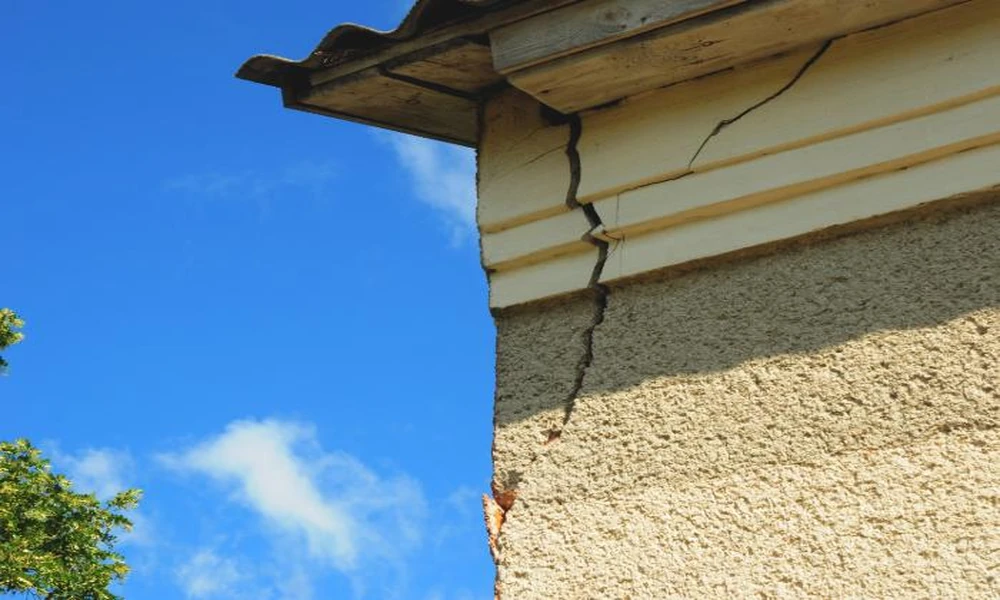
A crack in concrete does not automatically mean the foundation is failing. Concrete can develop small cracks as it cures, and minor movement can also leave narrow lines that stay stable for years. The important question is not simply whether a crack exists. You need to look at its direction, width, location, and any changes around it.
If you are deciding what to do next, foundation crack repair Omaha can give you a starting point for understanding which cracks may need sealing and which signs call for a deeper structural evaluation. A crack that keeps changing deserves different attention from a small, stable surface line.
What a Foundation Crack Can Tell You
Cracks are clues rather than a complete diagnosis. A thin vertical crack in poured concrete may have a different cause than a stair-shaped crack running through masonry joints. A horizontal crack may indicate pressure against a wall, while a diagonal crack near a corner may be related to movement in the supporting soil.
You should also look beyond the crack itself. Doors that begin to stick, floors that slope, gaps near trim, or several cracks developing in the same area can indicate that movement is affecting more than one surface. When these symptoms appear together, sealing the visible opening alone may leave the underlying problem untouched.
Which Cracks Are Often Repairable?
Many cracks can be repaired once the cause and condition of the foundation are understood. Small, stable cracks that are not associated with ongoing movement may be sealed to limit water entry and protect the opening from further deterioration. The repair material and method depend on the foundation material, crack location, and whether the crack is dry or allows water through.
Foundation crack repair may involve epoxy, polyurethane, mortar-based materials, or other systems designed for specific conditions. The right choice depends on what the crack is doing, not on which product is easiest to buy. A repair that works well for a dry-poured concrete wall may not be suitable for a moving masonry joint.
When a Crack Needs a Closer Look
A crack deserves prompt evaluation when it grows, widens, shifts, or appears with other structural changes. Horizontal cracks, significant stair-shaped cracking, wall bowing, noticeable displacement, and cracks that reopen after previous repairs can all indicate forces that a surface patch cannot address.
The U.S. General Services Administration provides concrete crack repair guidance that distinguishes working cracks from areas suited to patching or sealants. That guidance reinforces why crack movement and material condition should be understood before a repair method is selected.
If the foundation is actively moving, foundation crack repair should be part of a broader plan that addresses the reason for that movement. Filling the opening without correcting the source can hide a symptom while the structure continues to shift.
Why DIY Crack Repairs Have Limits
A small cosmetic crack can make a do-it-yourself repair look straightforward. The difficult part is knowing whether the crack is cosmetic in the first place. Surface appearance cannot always tell you how far a crack extends or what is happening behind the wall.
Using the wrong material can also create problems. A rigid patch may crack again if movement continues. Coating a damp crack can trap or redirect water rather than address the path it is taking. Aggressive grinding or drilling can also enlarge a damaged area if the foundation condition is unclear.
Before attempting a repair, check for displacement, water entry, wall movement, and changes elsewhere in the building. If those signs are present, an evaluation is more useful than another layer of patching material.
How Repair Costs Are Shaped
Repair pricing depends on the cause, access, foundation type, crack condition, and scope of work. Sealing one stable crack is a much smaller project than stabilizing a wall or correcting settlement across part of the structure. Excavation, drainage corrections, structural supports, finish removal, and restoration can all add to the scope of work.
This is why comparing estimates by price alone can be misleading. Ask what problem each proposed repair is intended to correct, what preparation is included, and what happens if movement is found during the work. A clear scope makes it easier to compare approaches without treating every crack as the same problem.
What About Insurance Coverage?
A home insurance policy may treat foundation damage differently depending on the cause. Sudden covered events can be handled differently from settlement, soil movement, drainage problems, or gradual deterioration. Policy language and exclusions matter, so review the cause of the damage and the terms of your coverage before assuming a repair will be paid for.
Photographs, inspection notes, and a clear description of when you first noticed the problem can help you keep the condition documented. Avoid making repairs that hide the damage before you understand what information may be needed.
Conclusion
Foundation crack repair starts with identifying what the crack is telling you. Stable surface cracks may need a focused repair, while growing cracks, displacement, bowing, water entry, or multiple structural symptoms may indicate a larger issue. The best repair addresses the condition behind the crack instead of covering the line and hoping it stays quiet.
If you want a professional evaluation of cracking around your foundation, Steadfast Foundation Repair Omaha can review the pattern, surrounding conditions, and signs of movement before recommending a practical repair approach. A careful inspection gives you a clearer picture of what needs attention and what can be left alone.
